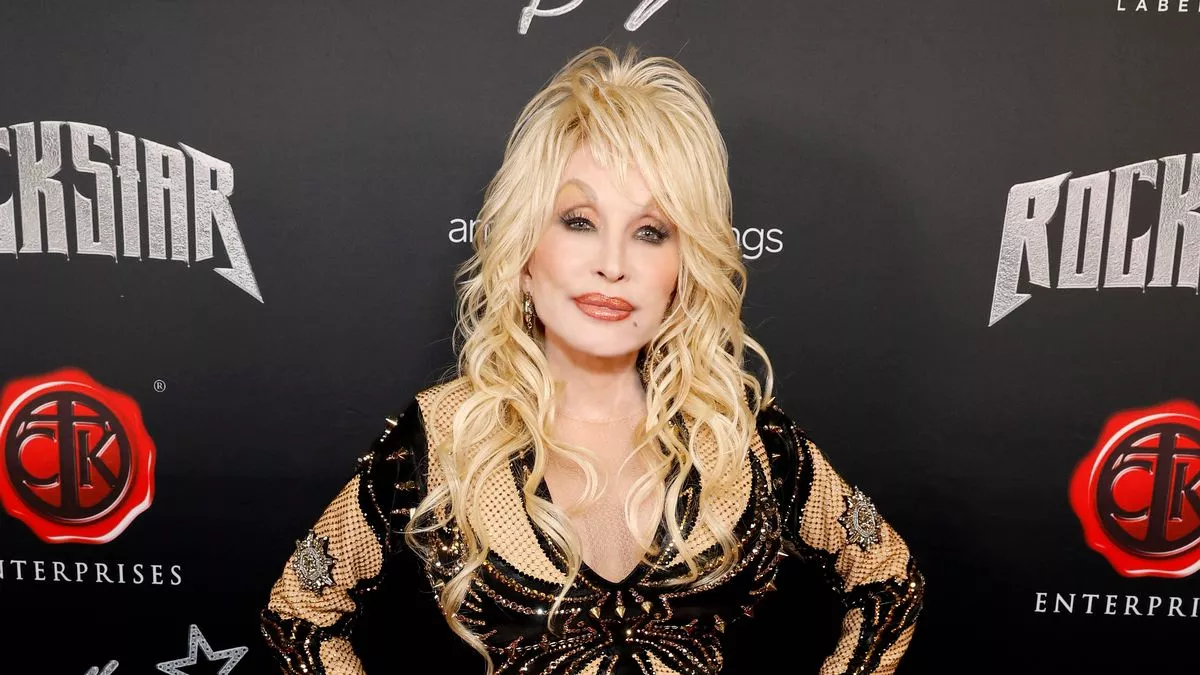
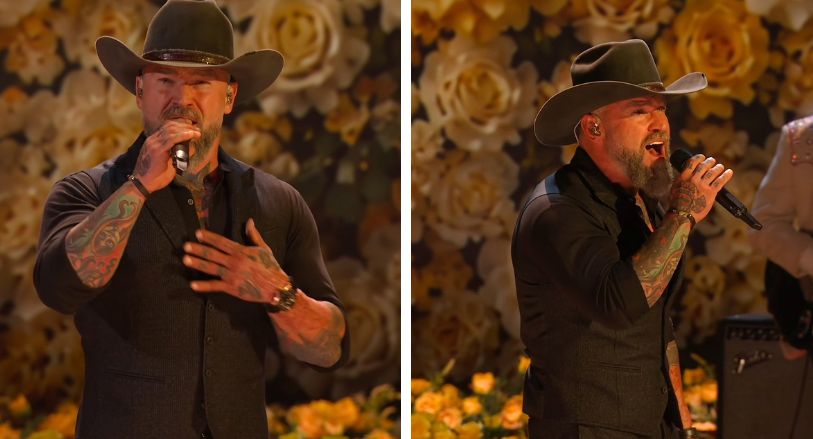
Sometimes, a song takes on a meaning its creator could never have imagined when he first wrote it. For Zac Brown, “Butterfly” began as a heartfelt message to his children, but his collaboration with Dolly Parton gave the song a much wider emotional reach. During the CMA’s October 21 special, CMA Presents I Will Always Love You: A Celebration of Dolly Parton, Brown revisited the song in a performance that brought their voices together once more, creating a poignant reminder of the connection between music, family, and the people who leave a lasting mark on our lives.
The performance stood out not simply because Brown was honoring one of country music’s most influential figures, but because of the personal story behind the collaboration. Rather than choosing one of Parton’s familiar classics, Brown performed “Butterfly,” a song whose original purpose was to encourage his children to face life with hope and strength. With Parton’s recorded vocals accompanying him, the performance offered a different way to celebrate her legacy: through a song that connected her unmistakable voice with Brown’s own family story.

The special brought together artists from across country music and beyond to celebrate Parton’s extraordinary career. According to the Country Music Association, the two-hour event featured live performances, archival footage, and personal stories reflecting her work as a singer, songwriter, entertainer, entrepreneur, and humanitarian. The lineup included Carrie Underwood, Ella Langley, Lainey Wilson, Vince Gill, and many other artists whose careers belong to different generations of country music. Their participation underscored the breadth of Parton’s influence, extending far beyond a single era or musical style.
For Brown, however, “Butterfly” carries a meaning that goes beyond the occasion. The Zac Brown Band released the track in September 2025 on the album “Love & Fear,” with Parton joining Brown for the collaboration. Written originally for his children, the song centers on encouragement and the strength to navigate whatever difficulties life brings. That message makes the title especially fitting: a butterfly suggests transformation, growth, and the possibility of becoming something new, even when the process of getting there is difficult.
The collaboration also came with a memorable story that Brown shared during an appearance on “The Bobby Bones Show.” After he sent the song to Parton, she responded with a voicemail that revealed just how enthusiastic she was about the material. Brown recalled that she predicted the track could become a number-one hit and urged him not to give the song to anyone else. He has kept the message, preserving a small but meaningful record of their creative connection.
That reaction offers an intriguing glimpse into how the song came together. Parton was not simply lending her voice to a recording; she was responding to a piece of music she believed had real potential. Her excitement, as Brown described it, also speaks to the encouragement that can make a collaboration especially memorable. When an established artist of Parton’s stature recognizes something special in another musician’s work, the exchange becomes part of the song’s story, giving listeners another reason to appreciate what they hear.
Brown has also spoken warmly about Parton as a person, describing her as a “real life angel.” His recollections focused on her faith, kindness, generosity, and willingness to encourage people to accept one another. Those qualities have long been associated with Parton’s public life, where musical achievements and charitable work have frequently gone hand in hand. For Brown, the personal connection seems just as important as the professional opportunity to record with an artist whose voice has shaped generations of country music.
The performance also highlights an important distinction between paying tribute to a musical icon and simply revisiting the biggest hits of her career. Parton’s catalogue contains songs that audiences recognize within seconds, including “Jolene,” “9 to 5,” and “I Will Always Love You.” Those classics remain central to her legacy, but “Butterfly” offers another perspective. It allows audiences to encounter Parton through a more recent collaboration, one that connects her voice to a song about helping the next generation find its way.
That connection is particularly meaningful given Parton’s longstanding commitment to children’s literacy. The CMA and Belmont University announced that proceeds from the tribute special would support Dolly Parton’s Imagination Library, the book-gifting initiative she founded to encourage a love of reading among young children. The program sends free books to participating children, helping families build reading habits from an early age. The event’s charitable purpose therefore reflects an important part of Parton’s identity beyond the recording studio and concert stage.

There is a natural connection between that mission and the message behind “Butterfly.” Brown wrote the song with his children in mind, hoping to offer them reassurance and encouragement as they grew older. Parton’s work through the Imagination Library similarly focuses on giving children opportunities to learn, imagine, and discover their potential. Although the projects take different forms, both are rooted in the idea that young people deserve support as they find their place in the world.
That shared emphasis gives Brown’s choice of song an added layer of significance. A familiar hit might have offered a straightforward celebration of Parton’s musical achievements, but “Butterfly” brings together several sides of her legacy: the singer who could make a lyric feel personal, the collaborator who embraced another artist’s vision, and the philanthropist whose work continues to benefit children and families. It also reminds audiences that an artist’s influence is not measured only by chart positions or awards, but by the people who carry that influence into their own lives and creative work.
Brown has already paid tribute to Parton in concert, telling an audience that there would never be another Dolly Parton. His words captured something difficult to quantify about her place in country music. Her voice was distinctive, but her wider impact also came from the warmth and personality she brought to her work, as well as her ability to connect with people across generations.

Ultimately, “Butterfly” demonstrates how the meaning of a song can evolve without losing the message at its heart. What began as Brown’s expression of love and encouragement for his children became a collaboration with a country music legend and, through the CMA tribute, a way to celebrate the enduring power of music to connect people. The recording preserves their voices together, while the song’s original message continues to reach listeners who may be navigating changes of their own.
For fans, the most compelling part of this story may be that “Butterfly” was never designed to serve as a farewell. It was written to offer hope for the road ahead, and that purpose remains intact. Does this kind of personal collaboration make a tribute more meaningful than a performance of an artist’s biggest hit, or do you think Parton’s classic songs remain the strongest way to celebrate her legacy?