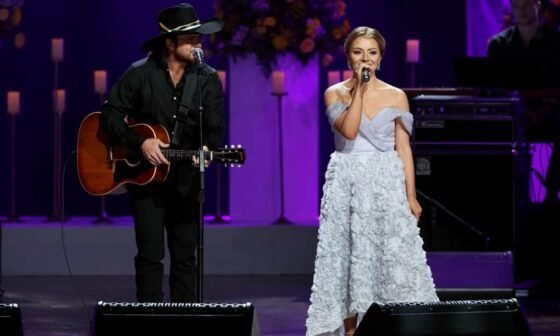
Kelsea Ballerini turned a beloved Dolly Parton hit into a joyful singalong during Nashville’s star-studded celebration of the country music legend, inviting the audience to join her in honoring Tennessee’s own queen.
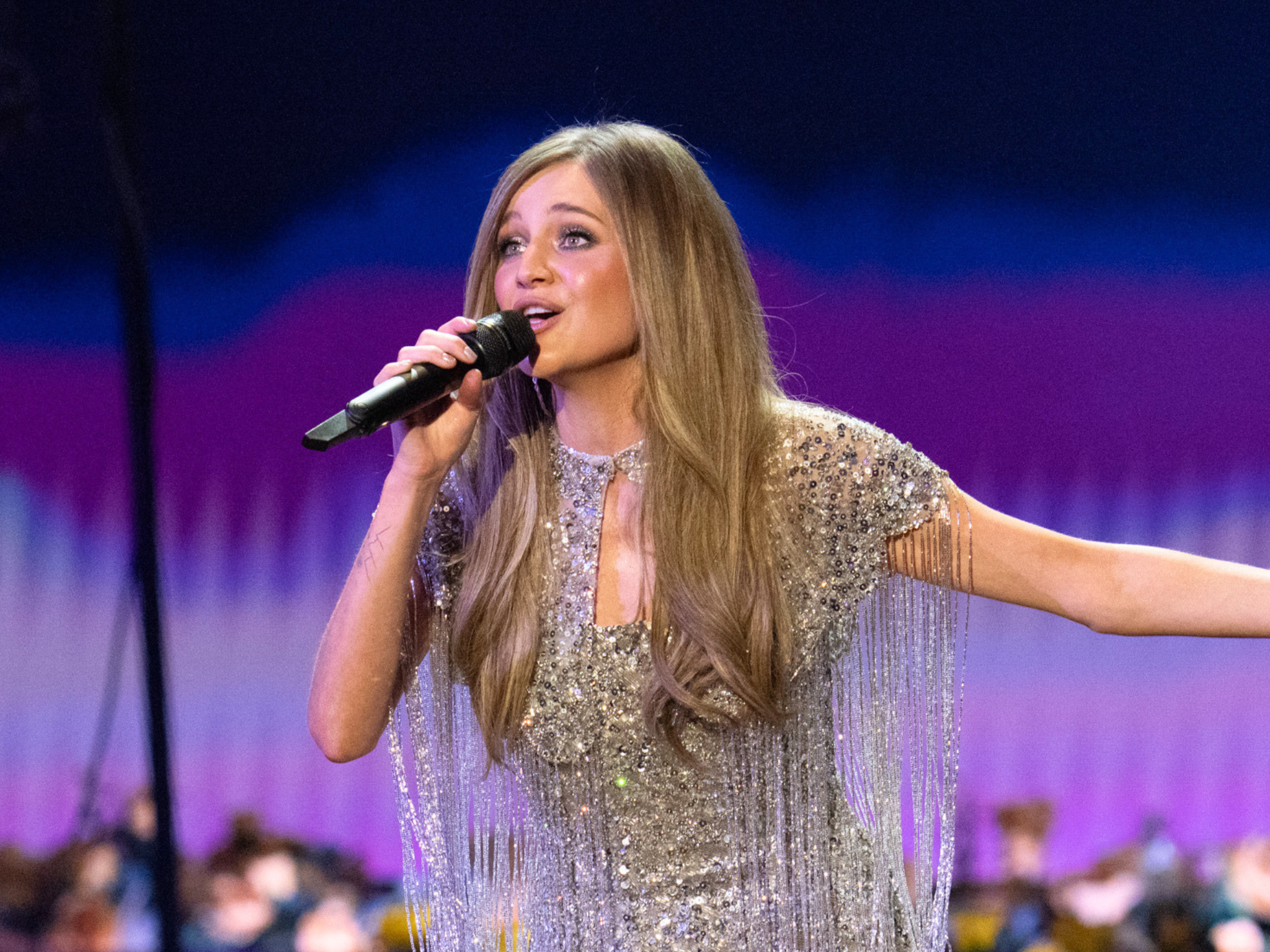
Performing “Here You Come Again” on October 21 at CMA Presents I Will Always Love You: A Celebration of Dolly Parton, Ballerini delivered a lively rendition that highlighted the song’s pop sensibilities and enduring appeal.
Midway through the performance, she encouraged the crowd to sing along, calling out, “Alright, Nashville, I need you guys to sing this with me for our Tennessee queen,” before adding, “Don’t be shy!”
The moment captured the celebratory spirit of the evening, which brought together artists to recognize Parton’s extraordinary influence on music. The special is available to stream on Hulu.
The Dolly Parton Hit That Crossed Musical Boundaries
Although Parton is celebrated as the “Queen of Country,” “Here You Come Again” demonstrated her ability to reach audiences well beyond the genre.
Unlike many of her signature songs, the track was not written by Parton herself. It came from the songwriting team of Barry Mann and Cynthia Weil, the husband-and-wife duo who originally intended it as a potential comeback song for another country singer, Brenda Lee.
Parton ultimately made the song her own, helping it become one of the defining hits of her career.
In a 1978 interview with Rolling Stone, she joked about the track’s potential, saying, “That’s such a good song a monkey could have made it a hit. Well, you’re looking at a million-dollar monkey.”
Her humorous remark reflected the confidence and self-awareness that often accompanied her discussions of her music.
A New Chapter in Dolly’s Musical Career
“Here You Come Again” also represented a significant moment in Parton’s artistic development.
In an interview with Rolling Stone the previous year, she described the song as part of a period of newfound creative freedom. At 30, she felt ready to experiment, express herself more boldly and explore music in ways that reflected her own instincts.
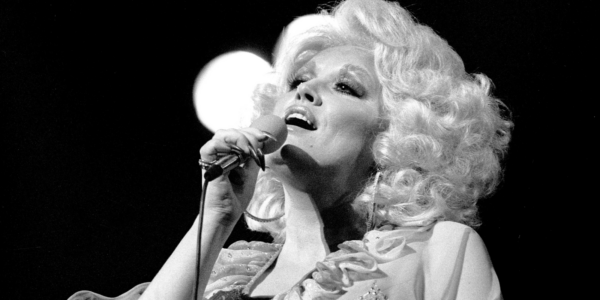
She explained that she wanted to embrace this opportunity rather than let the years pass without taking creative risks.
The song’s success helped validate that approach. It earned Parton a Grammy nomination for Best Female Pop Vocal Performance, although the award ultimately went to Barbra Streisand for “Evergreen,” from the 1976 film A Star Is Born.
Decades later, “Here You Come Again” remains an important part of Parton’s musical legacy, demonstrating how comfortably she could move between country and pop.
Kelsea Ballerini’s Tribute Pays Homage to Dolly’s Style
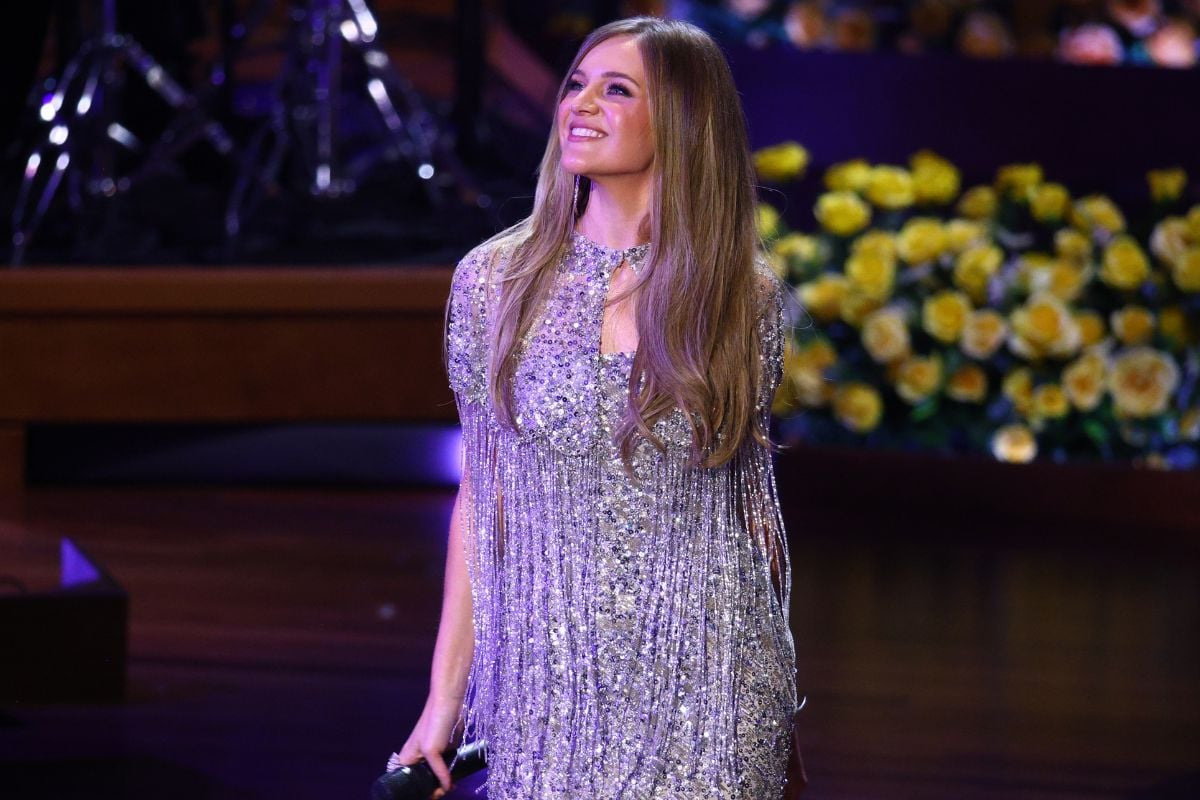
For her performance at the CMA celebration, Ballerini embraced the song’s bright, upbeat character. Her sparkling outfit, decorated with long sequined fringe, also evoked the look Parton wore in the 1977 music video for “Here You Come Again.”
The visual nod added another layer to the tribute, connecting Ballerini’s interpretation with the original era of the hit.
As the performance came to an end, Ballerini delivered a simple message of affection: “We love you, Miss Dolly.”
Her rendition offered a joyful reminder of Parton’s lasting impact—not only through her songwriting and distinctive voice, but also through the generations of artists who continue to celebrate her music.
At the Nashville tribute, “Here You Come Again” proved once more that a great song can keep bringing people together long after its original release.