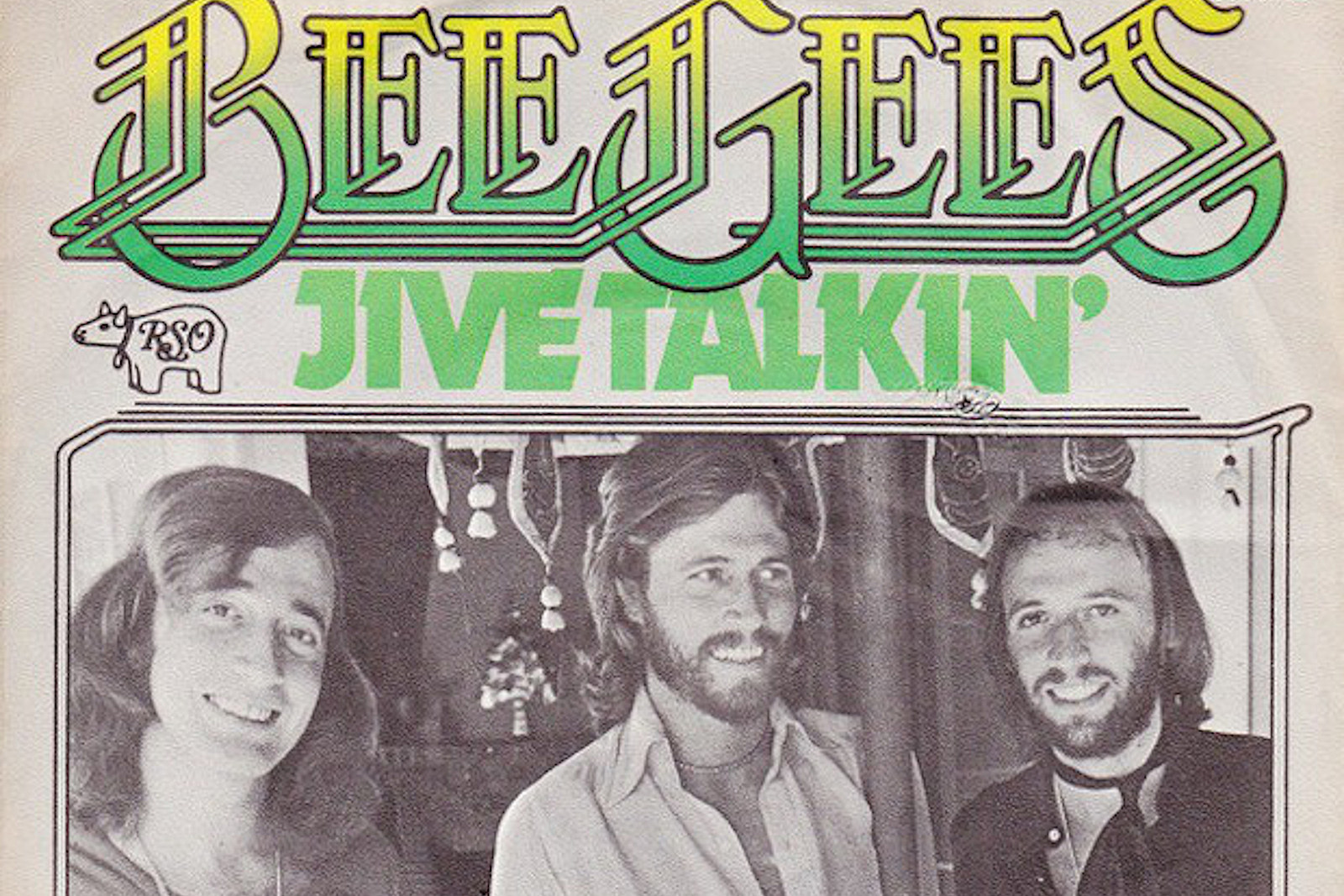
Bee Gees – Jive Talkin’

bees gees

45 Years Ago: The Bee Gees Shift to Disco With 'Jive Talkin''

About the Song

When discussing the Bee Gees, we’re immediately transported to an era of groundbreaking musical innovation. The brothers Gibb—Barry, Robin, and Maurice—were more than just pop sensations; they were masterful songwriters and producers who left an indelible mark on the landscape of popular music. Jive Talkin’, released in 1975, stands as a pivotal moment in their career, marking a shift towards the funk and disco-infused sound that would define their later success.

Before we dive into the song itself, it’s essential to understand the context of its creation. The mid-1970s were a time of musical evolution, with artists experimenting with new sounds and rhythms. The Bee Gees, always eager to explore new sonic territories, embraced this spirit of innovation. The rhythmic foundation of Jive Talkin’ is said to have been inspired by the sound of their car driving over the Julia Tuttle Causeway in Miami, a testament to their keen ear for musical inspiration in everyday life.

Jive Talkin’ is characterized by its distinctive, pulsating bassline, a driving rhythm that immediately grabs the listener’s attention. The song’s arrangement is a masterclass in musical layering, with each instrument contributing to the overall groove. The Gibb brothers’ signature harmonies, always a hallmark of their sound, are present but take on a new, more rhythmic quality, perfectly complementing the song’s danceable beat.

Beyond its musical innovation, Jive Talkin’ also captures the spirit of its time. The song’s lyrics, while seemingly simple, reflect the urban energy and vibrant nightlife of the 1970s. It’s a song that evokes images of crowded dance floors and carefree nights, a soundtrack to a generation embracing a new sense of freedom and expression.

The impact of Jive Talkin’ extended far beyond its initial release. It played a crucial role in the Bee Gees‘ transition into the disco era, paving the way for their iconic contributions to the “Saturday Night Fever” soundtrack. It is a song that continues to resonate with audiences today, a testament to its timeless appeal and the enduring legacy of the Bee Gees.

Video

0 Shares:
Leave a Reply

Your email address will not be published. Required fields are marked *

You May Also Like
paul
Read More

“He never said her name… but everyone in the arena knew.” During a quiet moment at the piano, Paul McCartney performed “Maybe I’m Amazed” in a way that felt less like a setlist staple and more like a private confession. There was no formal dedication, no spotlight cue — just a subtle glance toward Nancy Shevell seated in the crowd. And somehow, that single look shifted the entire atmosphere. Fans say it was in the closing seconds that the energy truly changed — the slight pause before the final chord, the way his eyes scanned the audience and lingered just a heartbeat longer than expected. It didn’t feel rehearsed. It felt personal. Now, viewers replaying the clip are convinced this wasn’t merely nostalgia — it was something unfolding in real time. Watch closely. The moment after that glance is what everyone’s talking about. 👇👇

Paul McCartney Turns a Stadium Silent With One Song There was no announcement. No spotlight sweeping through the audience.…
John Lennon
Read More

“We hadn’t really rehearsed.” In September 1969, while The Beatles still existed “on paper,” John Lennon walked onto the Toronto stage like a man with nowhere left to hide. No Paul to smooth the edges, no George to add colour, no Ringo to hold the centre — just a band thrown together in 24 hours: Eric Clapton, Klaus Voormann, Alan White… and Yoko Ono standing as an equal presence, not in the background. By most accounts, John was so terrified he vomited before going on. This wasn’t ordinary stage fright — it was something deeper: am I still enough without The Beatles? The set was rough, raw, sometimes shaky… but it was electric because for once the crowd wasn’t watching “Beatle John.” They were watching John Lennon, exposed and unfiltered, proving he could still stand on his own. And maybe right there — in that fear, and that survival — the “divorce” had already begun.

“WE HADN’T REALLY REHEARSED” — The Night John Lennon Faced the World Alone “WE HADN’T REALLY REHEARSED” —…