Bee Gees – Jive Talkin’

bees gees

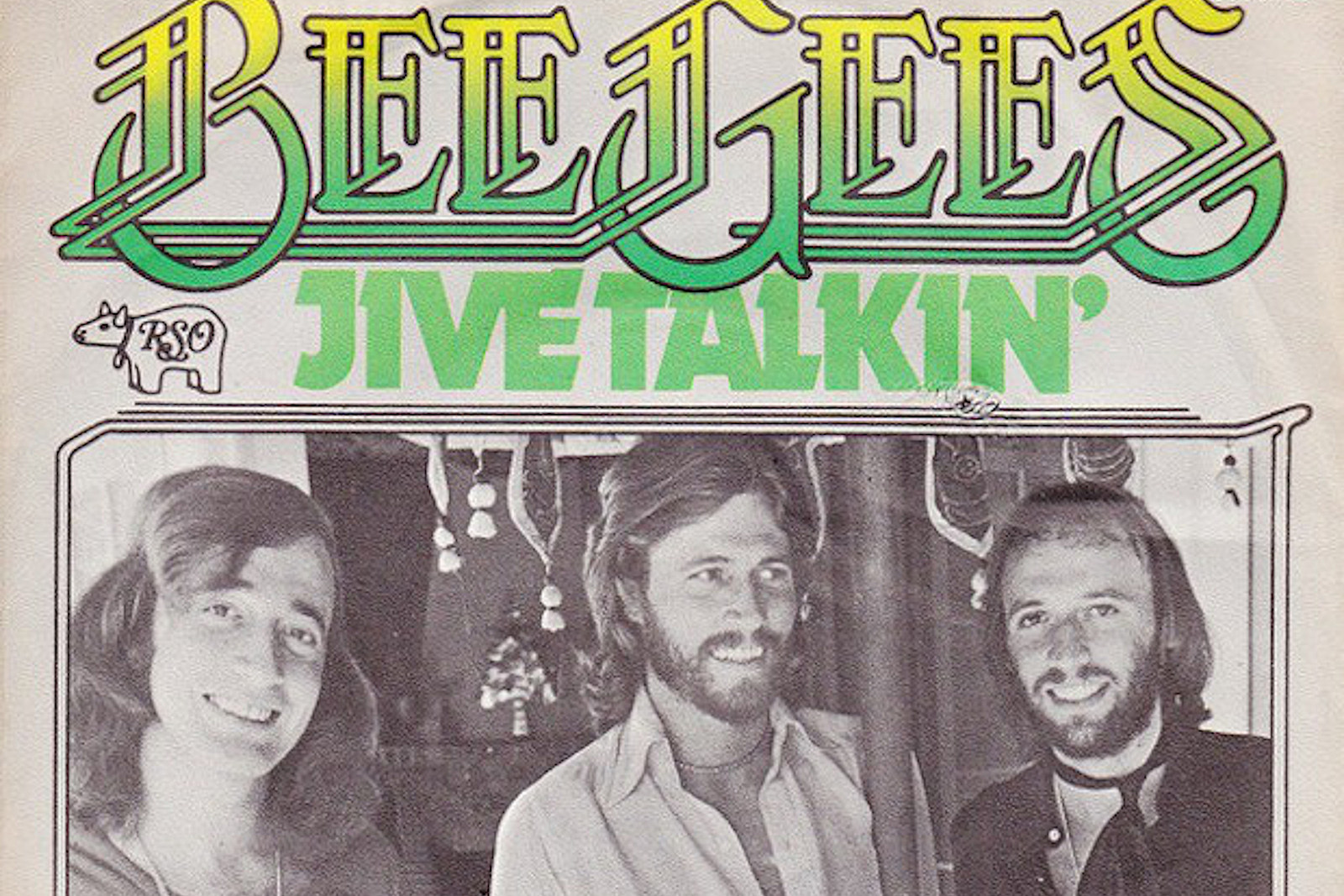
45 Years Ago: The Bee Gees Shift to Disco With 'Jive Talkin''

About the Song

When discussing the Bee Gees, we’re immediately transported to an era of groundbreaking musical innovation. The brothers Gibb—Barry, Robin, and Maurice—were more than just pop sensations; they were masterful songwriters and producers who left an indelible mark on the landscape of popular music. Jive Talkin’, released in 1975, stands as a pivotal moment in their career, marking a shift towards the funk and disco-infused sound that would define their later success.

Before we dive into the song itself, it’s essential to understand the context of its creation. The mid-1970s were a time of musical evolution, with artists experimenting with new sounds and rhythms. The Bee Gees, always eager to explore new sonic territories, embraced this spirit of innovation. The rhythmic foundation of Jive Talkin’ is said to have been inspired by the sound of their car driving over the Julia Tuttle Causeway in Miami, a testament to their keen ear for musical inspiration in everyday life.

Jive Talkin’ is characterized by its distinctive, pulsating bassline, a driving rhythm that immediately grabs the listener’s attention. The song’s arrangement is a masterclass in musical layering, with each instrument contributing to the overall groove. The Gibb brothers’ signature harmonies, always a hallmark of their sound, are present but take on a new, more rhythmic quality, perfectly complementing the song’s danceable beat.

Beyond its musical innovation, Jive Talkin’ also captures the spirit of its time. The song’s lyrics, while seemingly simple, reflect the urban energy and vibrant nightlife of the 1970s. It’s a song that evokes images of crowded dance floors and carefree nights, a soundtrack to a generation embracing a new sense of freedom and expression.

The impact of Jive Talkin’ extended far beyond its initial release. It played a crucial role in the Bee Gees‘ transition into the disco era, paving the way for their iconic contributions to the “Saturday Night Fever” soundtrack. It is a song that continues to resonate with audiences today, a testament to its timeless appeal and the enduring legacy of the Bee Gees.

Video

0 Shares:
Leave a Reply

Your email address will not be published. Required fields are marked *

You May Also Like
DON WILLIAMS
Read More

WHEN DON WILLIAMS RELEASED I TURN THE PAGE, HE WASN’T COMING BACK TO COUNTRY MUSIC — HE WAS COMING BACK TO HIMSELF. In 1998, after nearly seven years of silence, Don Williams returned to the studio without headlines or fanfare—only a quiet phrase: I Turn the Page. It sounded less like an album title and more like a confession. Insiders said he walked back into Nashville as if carrying unfinished verses in his coat pocket. The songs were slower. The voice deeper. Each track felt like a memory he wasn’t ready to name out loud. This wasn’t a comeback meant to chase charts or trends. It was something riskier—a return meant to face time itself. What really pushed the Gentle Giant to open that page again is a story whispered between the lines.

The Silence Before the Song By the mid-1990s, Don Williams had quietly stepped away from the spotlight. No…
Dolly Parton
Read More

She rolled into the light… and the room fell silent. Hearts tightened, breaths paused — and then another spotlight rose beside her, revealing the woman whose voice once softened the world. Two legends, two warriors, one moment of impossible grace — as Celine Dion and Dolly Parton shared the same stage for the very first time, singing an anthem about survival that no one in the audience would ever forget.

The evening was meant to be a quiet charity gala in Nashville — elegant, warm, predictable. A night…
paul
Read More

“THE LAST TWO BEATLES. ONE STAGE. ONE NIGHT.” Paul McCartney was wrapping up the Got Back tour at the London O2. Smiles. Applause. The kind of ending you expect. Then he paused. Just a beat too long. And said one name. Ringo Starr. The room changed instantly. You could feel it in the air. Twenty thousand people on their feet, not screaming yet—just stunned. When they locked in on “Sgt. Pepper,” it didn’t feel old. It felt alive. Like muscle memory coming back. Then “Helter Skelter” hit, loud and loose and joyful. It wasn’t nostalgia. It wasn’t a reunion for show. It was history, breathing. And everyone there knew they’d just seen something that won’t come around again.

“Bring to the Stage the Mighty, the One and Only…” How Paul McCartney’s Got Back Tour Finale Became…