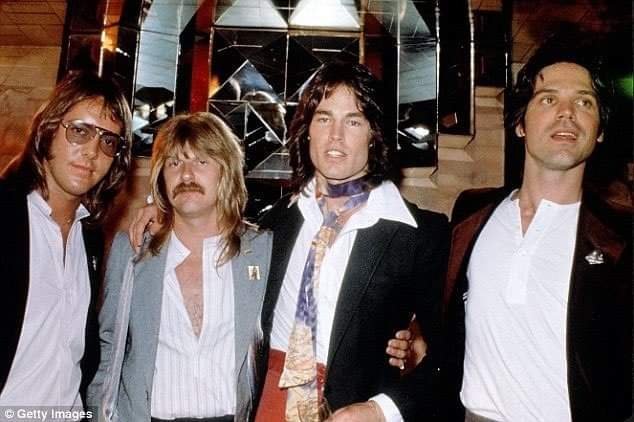
“Baby Come Back” – When Heartbreak Became Harmony
In the late 1970s, when soft rock reigned supreme and radio waves carried melodies of longing and love, one song rose above them all — “Baby Come Back” by Player. Released in 1977, the song became an instant sensation, climbing to the top of the Billboard Hot 100 and holding the No. 1 spot for three consecutive weeks in early 1978.
Written by J.C. Crowley and Peter Beckett, the track wasn’t just another breakup ballad — it was born from real heartbreak. Both songwriters had recently gone through painful separations, and instead of silence, they turned their emotions into music. The result was a song that spoke to millions: the sound of regret, vulnerability, and that desperate hope that maybe, just maybe, love could find its way back.

At its heart, “Baby Come Back” is a raw portrayal of regret. The narrator doesn’t hide behind pride or excuses — he owns his mistakes, pleading for the one he lost to return. “You can blame it all on me,” Beckett sings, his voice drenched in sincerity. That simple line, repeated like a mantra, struck a universal chord. It wasn’t just about one failed relationship; it was about every love that slipped away too soon.
Musically, “Baby Come Back” blends smooth harmonies, tender guitar lines, and a laid-back groove that perfectly captures the bittersweet ache of love lost. It embodies everything that made the soft rock era unforgettable — polished yet deeply human, soothing yet raw.
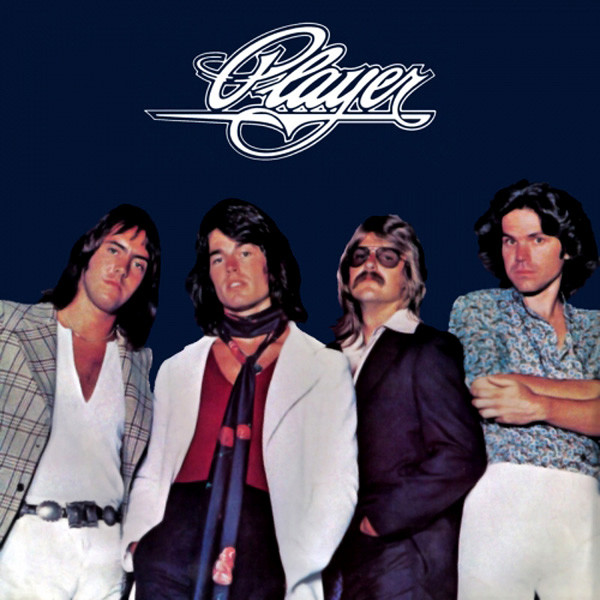
Lyrically, it’s simple but devastating: “Baby come back, any kind of fool could see, there was something in everything about you.” It’s a confession, a surrender, and a plea — the kind of emotional honesty that never fades with time.
Decades later, the song still plays on airwaves, in movie soundtracks, and at moments when nostalgia feels strongest. For many, “Baby Come Back” isn’t just a song — it’s a memory of first love, of mistakes, of that universal wish to rewind time and make things right.
More than 45 years after its release, Player’s timeless classic remains proof that even heartbreak can make something beautiful — when you turn pain into melody and longing into art.