“Baby Come Back” – When Heartbreak Became Harmony

Baby Come Back

“Baby Come Back” – When Heartbreak Became Harmony

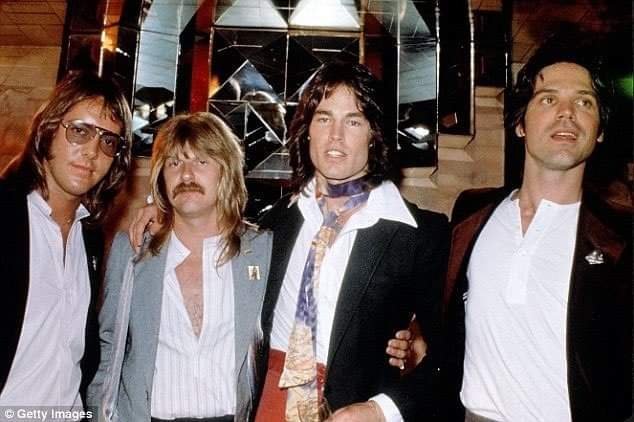
In the late 1970s, when soft rock reigned supreme and radio waves carried melodies of longing and love, one song rose above them all — “Baby Come Back” by Player. Released in 1977, the song became an instant sensation, climbing to the top of the Billboard Hot 100 and holding the No. 1 spot for three consecutive weeks in early 1978.

Written by J.C. Crowley and Peter Beckett, the track wasn’t just another breakup ballad — it was born from real heartbreak. Both songwriters had recently gone through painful separations, and instead of silence, they turned their emotions into music. The result was a song that spoke to millions: the sound of regret, vulnerability, and that desperate hope that maybe, just maybe, love could find its way back.

The Number Ones: Player's “Baby Come Back”

At its heart, “Baby Come Back” is a raw portrayal of regret. The narrator doesn’t hide behind pride or excuses — he owns his mistakes, pleading for the one he lost to return. “You can blame it all on me,” Beckett sings, his voice drenched in sincerity. That simple line, repeated like a mantra, struck a universal chord. It wasn’t just about one failed relationship; it was about every love that slipped away too soon.

Musically, “Baby Come Back” blends smooth harmonies, tender guitar lines, and a laid-back groove that perfectly captures the bittersweet ache of love lost. It embodies everything that made the soft rock era unforgettable — polished yet deeply human, soothing yet raw.
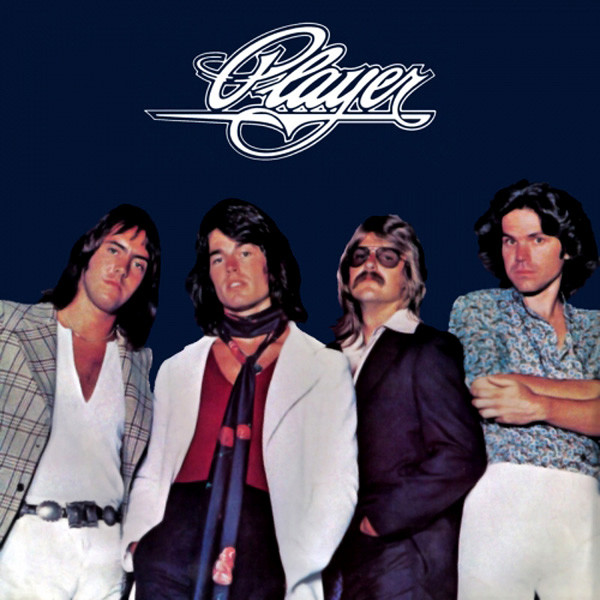
Baby Come Back - song and lyrics by Player | Spotify

Lyrically, it’s simple but devastating: “Baby come back, any kind of fool could see, there was something in everything about you.” It’s a confession, a surrender, and a plea — the kind of emotional honesty that never fades with time.

Decades later, the song still plays on airwaves, in movie soundtracks, and at moments when nostalgia feels strongest. For many, “Baby Come Back” isn’t just a song — it’s a memory of first love, of mistakes, of that universal wish to rewind time and make things right.

More than 45 years after its release, Player’s timeless classic remains proof that even heartbreak can make something beautiful — when you turn pain into melody and longing into art.


0 Shares:
Leave a Reply

Your email address will not be published. Required fields are marked *

You May Also Like
andrea bocelli
Read More

“AT 84, NEIL DIAMOND SANG FROM A WHEELCHAIR — AND A ROYAL BALLROOM FELL SILENT.” Neil Diamond sat quietly in his wheelchair, shoulders relaxed, eyes focused forward. At 84, his voice wasn’t loud, but it didn’t need to be. Across from him stood Andrea Bocelli, visually impaired yet glowing under the chandeliers of Buckingham Palace. When they began to sing, the room changed. Royals leaned in. Guests forgot to breathe. This wasn’t just a private gala. Behind the velvet curtains, disabled children and individuals with special needs were welcomed as honored guests, watching two men who knew struggle turn it into grace. Some whispered this might be the last time these legends shared a stage. Every note carried that weight. And when the final chord faded, what lingered wasn’t applause — it was something harder to name.

Buckingham Palace was filled with a rare stillness as two musical legends came together for an evening defined not…
Bob dylan
Read More

“When Legends Collide and History Listens” — Bob Dylan’s rare, almost accidental union with George Harrison, Jeff Lynne, Tom Petty, and Roy Orbison didn’t just create a supergroup, it created a living chapter of music history that still breathes decades later, and when paired with Dylan’s hushed, deeply personal tribute to Woody Guthrie, it reveals how collaboration, influence, and artistic inheritance can turn fleeting moments into songs that refuse to age, refuse to fade, and keep traveling across generations long after the stage lights go out.

When Legends Unite: Traveling Wilburys Magic and Dylan’s Quiet Nod to Guthrie From supergroup alchemy to a hushed…
Il Volo
Read More

The Ancient Roman Theater in Plovdiv doesn’t forgive noise. It rewards honesty. When Il Volo began “Il Mondo,” the air changed. Stone walls caught the sound and held it, soft and steady. No rush. Just three voices rising together. You could see people stop blinking. Hands pressed to chests. A few heads bowed, like they knew this was rare. Even longtime fans whispered they’d never heard them like this. Not louder. Deeper. The kind of singing that makes time feel thin. When the last note faded, silence stayed a moment longer than expected. That’s when you realize some nights don’t add to a legacy. They lift it.

Under the Stars in Plovdiv: Il Volo’s Unforgettable Performance Beneath the star-filled skies of Plovdiv, Bulgaria, something truly…