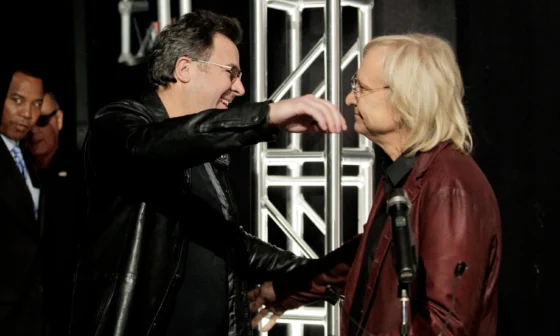
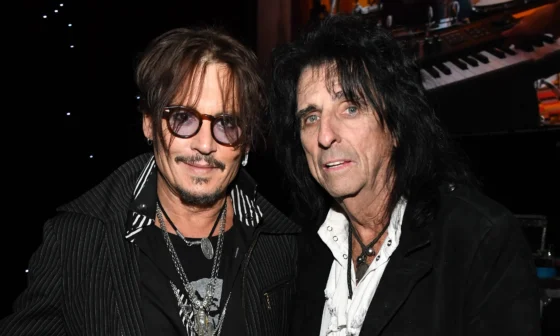
Steve Martin Brings Laughter and Tears to Diane Keaton’s Funeral — “No One Could Ever Wear a Hat, or a Heart, Quite Like She Did”!

Steve Martin

Steve Martin Honors Diane Keaton With 1964 Playbill After Death | Us Weekly

Los Angeles — In a heartfelt yet characteristically humorous farewell, Hollywood legend Steve Martin paid tribute to his dear friend and frequent co-star Diane Keaton at a private funeral service in Beverly Hills. The gathering, attended by some of the film industry’s most beloved stars, celebrated the extraordinary life of the Academy Award–winning actress, whose charm, eccentricity, and warmth defined an era of American cinema.

The service, held in an intimate chapel filled with white roses and soft piano music, captured both the elegance and playfulness that Keaton embodied throughout her career. When Martin stepped to the podium, there was a hush — not from sadness alone, but from the deep admiration that filled the room.

Steve Martin reacts to 'Father of the Bride' co-star Diane Keaton's death

“I tried to wear one of Diane’s hats today,” Martin began, glancing upward with a smile that drew a gentle wave of laughter. “But the truth is, no one could ever pull off a hat quite like she did.” The line, simple yet sincere, perfectly encapsulated their decades-long friendship — one built on wit, mutual respect, and a shared love of finding humor in life’s most unpredictable moments.

As the laughter faded, Martin’s voice grew tender. “Diane was magic,” he said softly. “She didn’t just play characters — she became them. And in between takes, she made everyone around her feel seen, valued, and part of something real.”

Steve Martin Honors Diane Keaton With Heartfelt Tribute

The two shared an enduring bond that began in the early 1990s while filming Father of the Bride. Their on-screen chemistry as George and Nina Banks mirrored their off-screen friendship — a blend of affection, admiration, and sharp comedic timing. Martin often credited Keaton for teaching him how to bring emotional depth to comedy. “She had this rare ability,” he once said, “to make you laugh while breaking your heart at the same time.”

Throughout the service, clips from Keaton’s career — from Annie Hall and Something’s Gotta Give to The Family Stone — played on a large screen, drawing smiles and tears from those in attendance. Guests included Keaton’s Annie Hall co-star Woody Allen, as well as Meryl Streep, Al Pacino, and Goldie Hawn, all of whom shared stories that reflected her generosity, intelligence, and unfiltered spirit.

Diane Keaton's 'Father of the Bride' co-star Steve Martin reacts to her death

“She taught me that it’s okay to be entirely yourself, even when the world tells you to be something else,” Martin continued. “That was Diane — unapologetically original. She didn’t follow trends. She created them.”

As the service concluded, Martin placed a small, cream-colored hat beside Keaton’s portrait — a final, loving nod to her signature style and timeless grace.
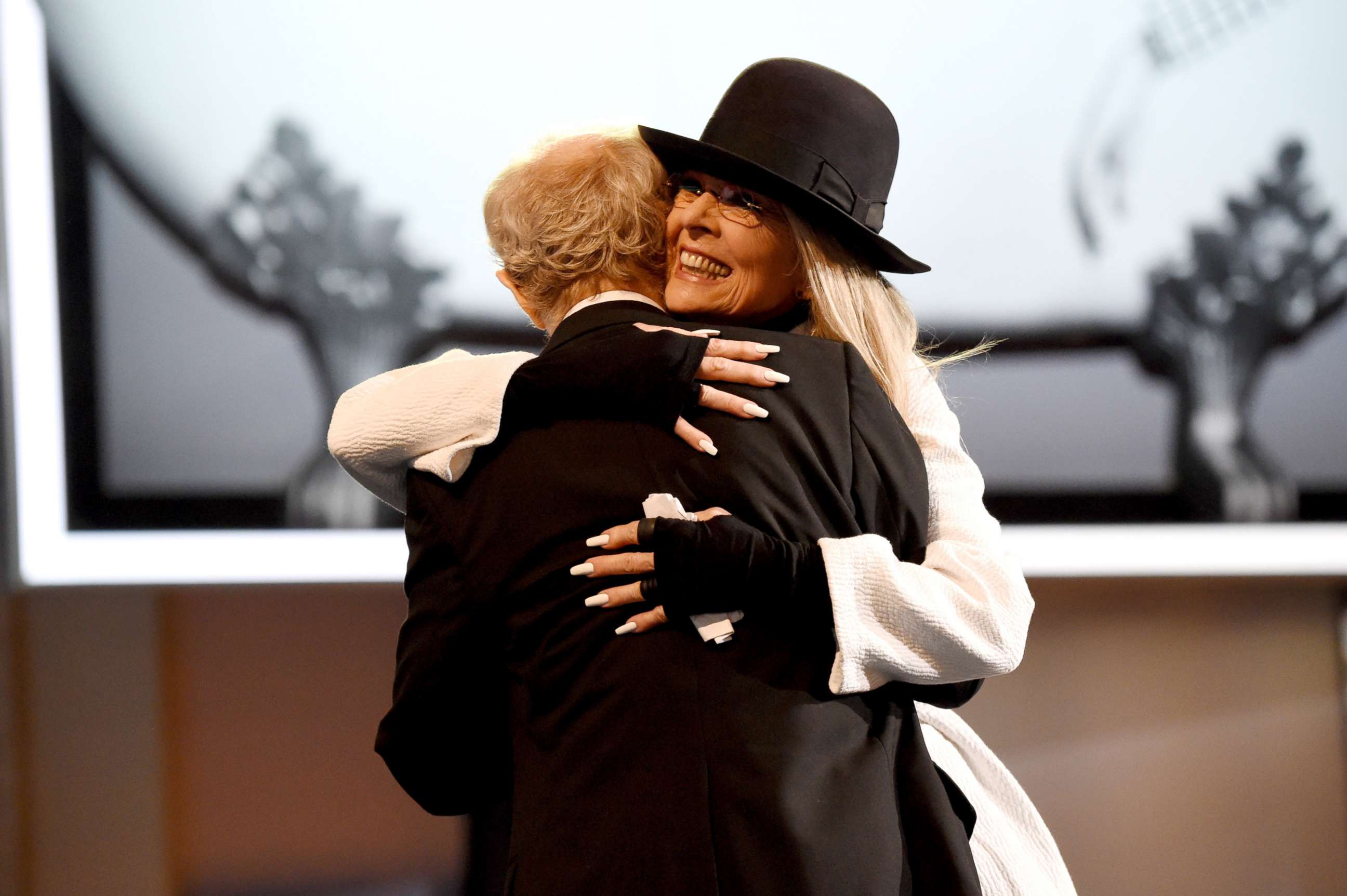
Diane Keaton defends 'friend' Woody Allen against molestation claim - ABC News

Outside the chapel, the California sun broke through the clouds, and for a brief moment, it felt as though the world itself was smiling — a fitting tribute to a woman whose laughter and light will never fade.

“Goodbye, my dear friend,” Martin said in closing. “You made everything — and everyone — better.”

0 Shares:
Leave a Reply

Your email address will not be published. Required fields are marked *

You May Also Like
Ignazio Boschetto
Read More

When Silence Spoke Loudest: Ignazio Boschetto’s Quiet Moment During “Grande Amore”It was meant to be a charity concert in Rome, but for those present, it became something far more intimate—a moment that felt less like a performance and more like a memory unfolding in real time. Ignazio Boschetto took the stage that evening with the quiet confidence of someone used to standing in front of audiences. Yet this time, the focus shifted away from him. The spotlight slowly moved toward Michelle Bertolini, his wife, who stepped forward without dramatic introduction or visible tension. The choice of song was not random. “Grande Amore” is not just one of the defining pieces of Ignazio’s career—it is a song that represents a chapter of his artistic identity, one that has been performed across stages around the world. But this time, it returned in a different form, carried by the voice of someone who shares his private world. As the opening notes began, the atmosphere in the room shifted almost instantly. Conversations faded. Movement slowed. The audience seemed to collectively recognize that what they were witnessing was not a standard performance. Ignazio did not join in. Instead, he remained still. With his hands gently resting and his posture calm, he watched and listened. There was no attempt to perform alongside her, no interruption of the moment. His silence became part of the performance itself—an unspoken presence that grounded everything happening on stage. Observers in the room noted how his expression remained steady throughout. It was not detachment, but attention. A quiet acknowledgment of something deeply familiar being reshaped in front of him. Hearing a song so closely tied to his own career, performed by someone he loves, created a layer of meaning that words would likely have interrupted rather than enhanced. As the song progressed, the silence around him seemed to deepen rather than fade. In many concerts, applause or vocal reactions fill the gaps between powerful moments. Here, however, the absence of noise became the defining feature. Every note carried further because nothing competed with it. There was no need for spectacle. No exchange of gestures between performer and audience. Just a shared experience unfolding slowly, almost carefully, between two people and the music that connected them. When the final notes finally faded, the room reportedly remained quiet for a brief moment longer than expected—an instinctive pause, as if no one wanted to break the atmosphere too quickly. What stayed with many in attendance was not a dramatic gesture or a climactic reaction, but the simplicity of Ignazio’s stillness. A silence that did not feel empty, but full—of memory, meaning, and something deeply personal that could not be fully expressed through applause. In the end, it wasn’t just “Grande Amore” that was heard that night. It was what silence can sometimes say when words and music briefly meet in the same space.

It was meant to be a charity concert in Rome, but for those present, it became something far…