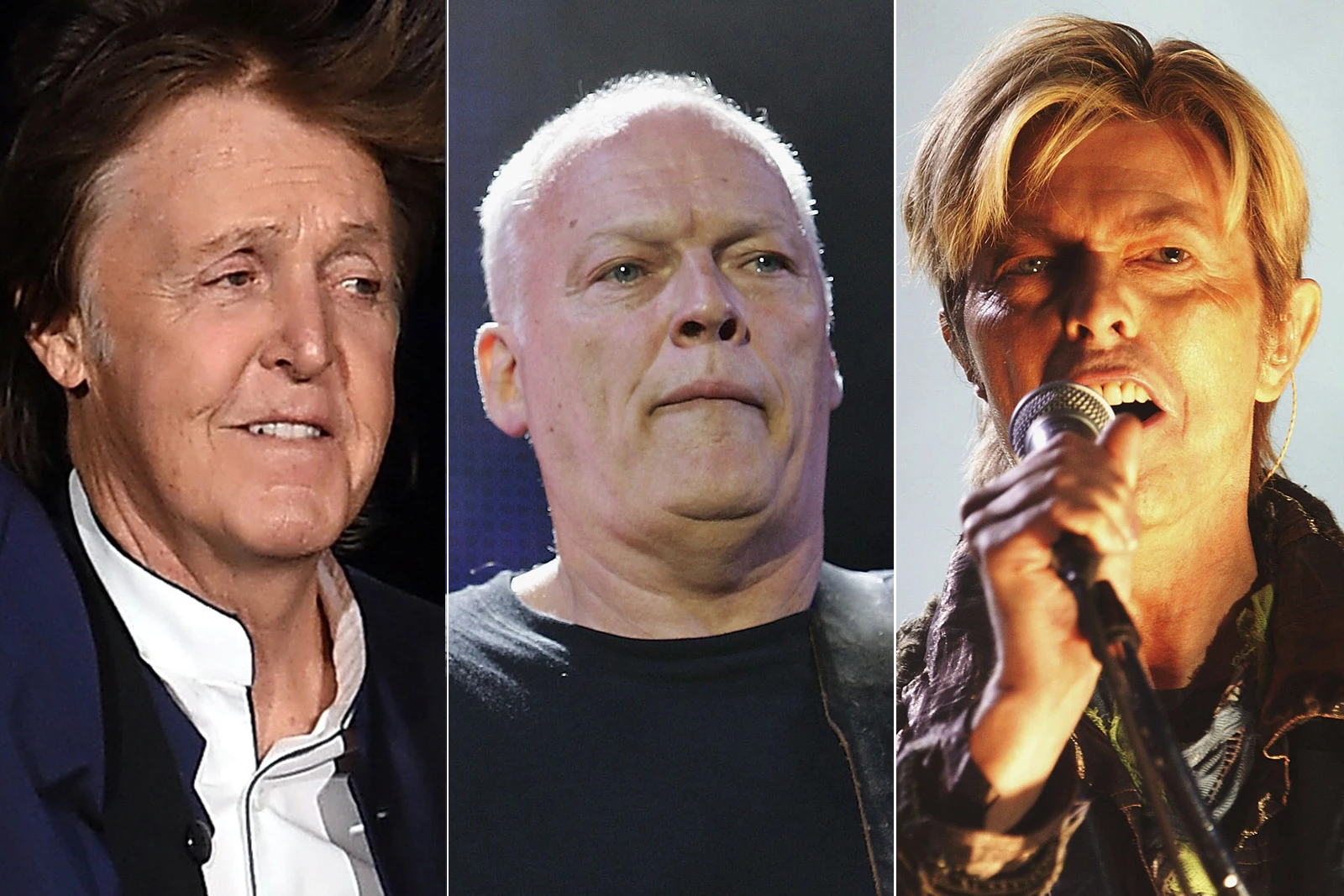

There are rock legends who change music — and then there are those who change lives. David Gilmour, the iconic guitarist and voice of Pink Floyd, belongs to both. Known for the soaring solos that defined a generation, Gilmour has long been more than a musician. Behind the quiet demeanor lies a man whose wealth never defined him — and whose compassion runs far deeper than fame or fortune.
Years after Pink Floyd’s monumental success, Gilmour found himself grappling with the weight of excess. “There was a time when I earned so much money that it felt obscene,” he once confessed. “I’d wake up in the morning and write cheques to charity just to make sense of it all.” That statement wasn’t an exaggeration. His music had made him one of the wealthiest figures in rock history, but it also left him searching for meaning beyond material success.

In one of the most selfless acts of his career, Gilmour sold his London home for £4.5 million and gave every penny to Crisis, a charity dedicated to helping the homeless. When asked why, his response was disarmingly simple: “I don’t need the money. I just thought it would be a good thing to do.” There was no press conference, no spectacle — just a quiet, deeply human decision from a man who understood the value of giving more than the value of gold.
Gilmour’s gesture wasn’t born out of guilt but perspective. “You collect Ferraris, and then you’ve got to collect buildings to house the Ferraris,” he explained with a wry smile. “Then you need more people to look after the people who are looking after things. Life gets very complicated. And eventually, you think, ‘I don’t need this stuff.’ And suddenly life gets simpler.”
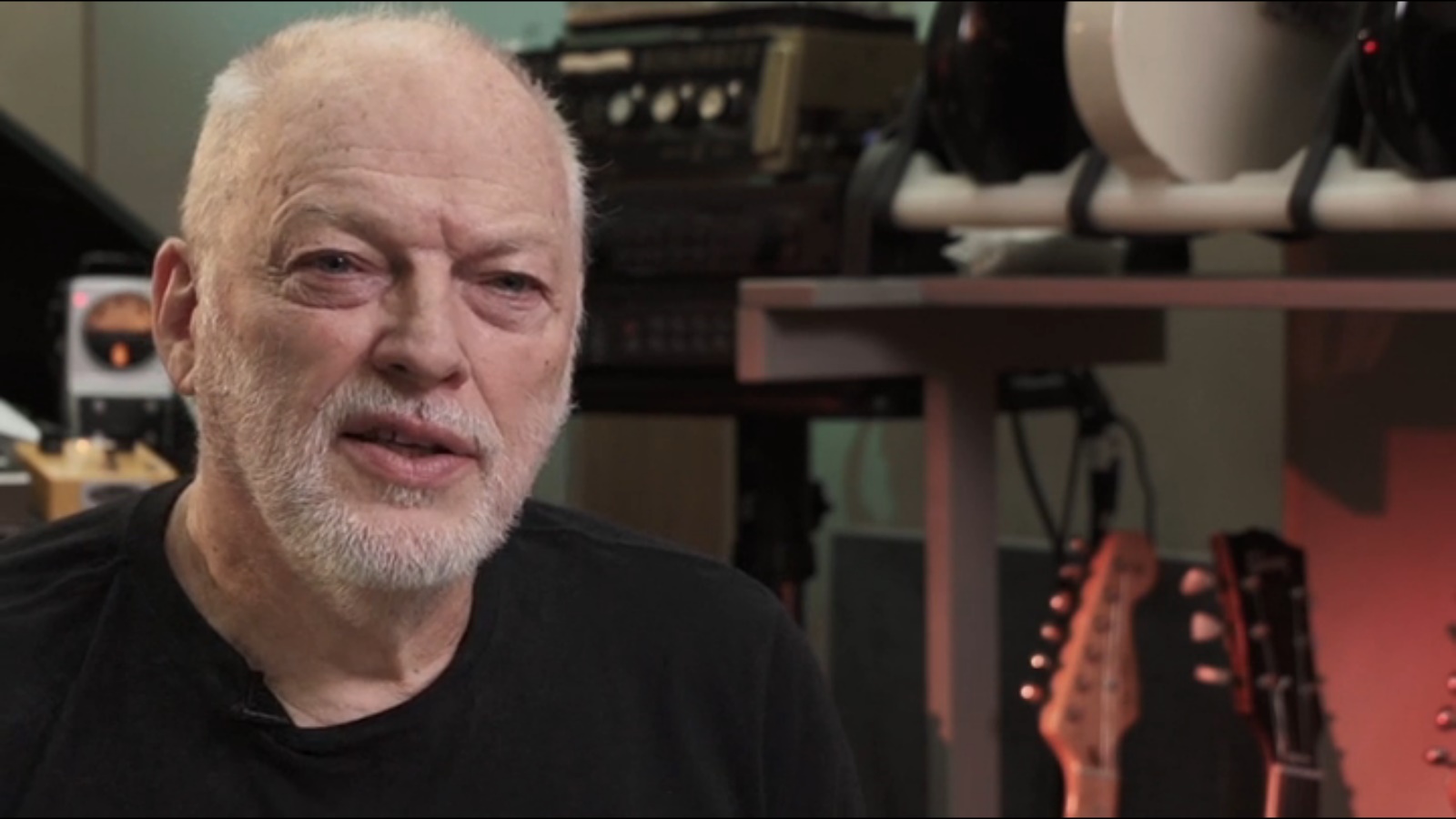
That philosophy — the pursuit of simplicity over status — has become one of Gilmour’s defining traits. In an era when many cling to possessions as proof of success, he walked away from them. He chose clarity over clutter, purpose over prestige.
To the homeless men and women who benefited from his generosity, Gilmour’s donation wasn’t just money; it was dignity restored, hope rekindled. To fans, it was another reminder that his genius wasn’t confined to the fretboard — it extended to the quiet power of empathy.

Today, as the music world continues to evolve, Gilmour remains a beacon of integrity. His melodies still soar through time, but his act of kindness speaks even louder. Because while guitars fade and fortunes fluctuate, compassion — like the haunting notes of Comfortably Numb — never dies.
In the end, David Gilmour’s greatest masterpiece may not be a song at all, but the simple, profound truth he lives by: You don’t need everything — just enough to make a difference.