ABBA – Take A Chance On Me

ABBA
ABBA – Take A Chance On Me

Introduction

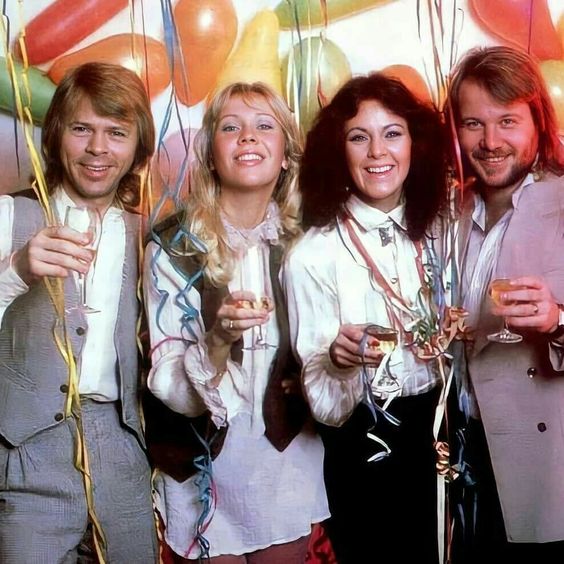
ABBA’s “Take a Chance on Me” is more than just a catchy pop tune with an iconic whistling intro. Released in 1978 as the second single from their album “ABBA: The Album,” the song became a global smash hit, defining a sound and an era in popular music. But behind the infectious energy lies a story of creative spark, lyrical evolution, and a step towards independent songwriting for Benny Andersson and Björn Ulvaeus, the musical masterminds behind ABBA.

The song’s origins are surprisingly humble. Björn, an avid runner, would use a self-made rhythm – “tck-a-ch” – to pace himself. This simple beat eventually evolved into the foundation of “Take a Chance on Me,” initially titled “Billy Boy.” Unlike previous ABBA hits where their manager Stig Anderson heavily influenced the lyrics, “Take a Chance on Me” marked a turning point. Benny and Björn took the lead, crafting an optimistic message of hope and taking a leap of faith in love.

The song’s upbeat tempo and playful lyrics, delivered with infectious energy by Agnetha Fältskog and Anni-Frid Lyngstad, became an instant mood-lifter. It encouraged listeners to overcome shyness and embrace possibilities in love. The iconic music video, featuring the band playfully chasing each other through a chessboard-like setting, further solidified the song’s lighthearted and fun-loving spirit.

“Take a Chance on Me” transcended its pop appeal. It became an anthem for overcoming hesitation and embracing new beginnings. The song’s enduring legacy lies in its ability to uplift spirits and encourage listeners to take a chance, not just in love, but in all aspects of life.

So, as you prepare to listen to “Take a Chance on Me,” get ready to tap your feet and sing along. This song isn’t just a catchy tune; it’s a timeless invitation to embrace hope, overcome self-doubt, and take a chance on what life has to offer.

Video

0 Shares:
Leave a Reply

Your email address will not be published. Required fields are marked *

You May Also Like
steven
Read More

Steven Tyler, the wild frontman of Aerosmith, has once again shocked fans by speaking candidly about the demons that nearly destroyed him — from drugs and broken marriages to the years he admits he “wasn’t there” for his daughter. In a voice both raw and remorseful, he confessed that fame turned him reckless, chasing thrills while family ties crumbled in the shadows. For Liv Tyler, who once grew up not knowing he was her real father, the scars of that absence still linger, even as their bond today appears unshakable. Tyler’s words tore through social media, dividing fans between sympathy for a man confronting his past and anger at the pain he caused. But as he stood under the spotlight, there was no denying the truth: the Rock God who once seemed untouchable is now a man haunted by regrets, fighting to rewrite his legacy before the final curtain falls.

Steven Tyler breaks the silence: confessions, regrets, and the haunting cost of rock stardom Steven Tyler, the electrifying…
keith urban
Read More

What began as a quiet recording in a dark Nashville studio has turned into the most emotional moment of Keith Urban’s life — and a global outpouring of tears. Alone with just his guitar, Keith Urban sat down to write a song for his daughters, Sunday and Faith, never meant for the public to hear. In just 30 minutes of heartbreak, he poured every ounce of love, regret, and memory into a song titled “Sing Through the Pain.” “Tiny hands I used to hold… two hearts that still call me home.” His voice cracked, trembling between words — and in the corner of the studio, Nicole Kidman sat silently, wiping tears that wouldn’t stop. The song wasn’t polished, wasn’t produced — just pure emotion, a father’s voice trying to say what words never could. When the girls finally heard it, they burst into tears, running into their father’s arms. That private moment — captured and later leaked online — spread like wildfire, touching millions who saw themselves in his pain. Fans call it “a father’s final love letter” — not to fame, but to family.

Keith Urban’s Secret Song for His Daughters Becomes a Global Cry: “My Daughters, Remember This — When Life…
Hank Marvin
Read More

“ONE QUIET NIGHT. ONE RED GUITAR. AND LONDON HELD ITS BREATH.” It was the early ’70s, when London’s lights hung low in the mist and the city moved a little slower after midnight. Hank Marvin stepped onto his hotel balcony with his familiar red Fender — not to perform, not to impress anyone. Just a few gentle notes before sleep. Nothing more. Or so he thought. Then something strange happened. The sound drifted downward, carried by the night air — soft, bright, impossibly clear. Windows went quiet. Conversations paused. A street that never truly slept seemed to listen. One taxi driver later said, “I didn’t know who was playing… but I knew the world felt happier in that exact moment.” There were no cameras. No recordings. No proof this ever happened. And maybe that’s why it still lives the way it does — as a memory shared by strangers who felt the same calm at the same time. For a few minutes, London didn’t hear a famous guitarist. It heard a human heart speaking through six strings, without an amplifier, without applause. That’s the power Hank always carried. Not volume. Not spectacle. Just feeling — floating quietly until it reached you. Some music was never meant to be captured. It was meant to be felt once… and remembered forever. 👉 Listen in the FIRST COMMENT.

There’s a story whispered among Londoners who lived through the early 1970s — a story without photographs, without…