ABBA – Take A Chance On Me

ABBA
ABBA – Take A Chance On Me

Introduction

ABBA’s “Take a Chance on Me” is more than just a catchy pop tune with an iconic whistling intro. Released in 1978 as the second single from their album “ABBA: The Album,” the song became a global smash hit, defining a sound and an era in popular music. But behind the infectious energy lies a story of creative spark, lyrical evolution, and a step towards independent songwriting for Benny Andersson and Björn Ulvaeus, the musical masterminds behind ABBA.

The song’s origins are surprisingly humble. Björn, an avid runner, would use a self-made rhythm – “tck-a-ch” – to pace himself. This simple beat eventually evolved into the foundation of “Take a Chance on Me,” initially titled “Billy Boy.” Unlike previous ABBA hits where their manager Stig Anderson heavily influenced the lyrics, “Take a Chance on Me” marked a turning point. Benny and Björn took the lead, crafting an optimistic message of hope and taking a leap of faith in love.

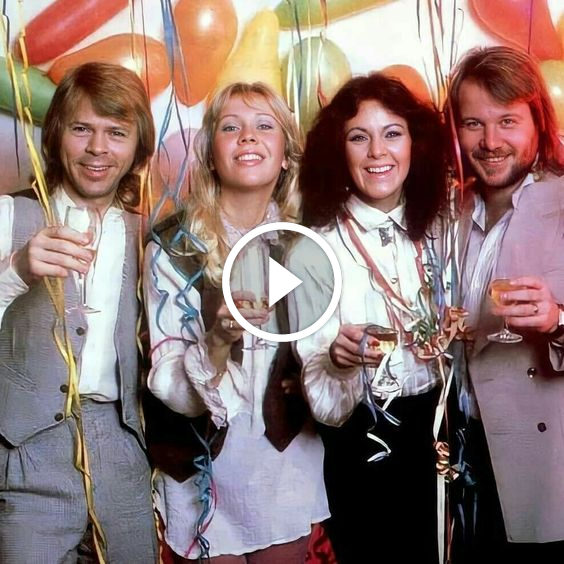
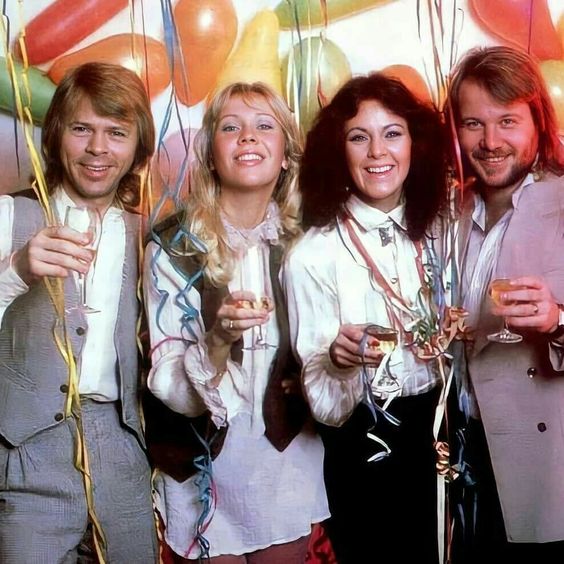
The song’s upbeat tempo and playful lyrics, delivered with infectious energy by Agnetha Fältskog and Anni-Frid Lyngstad, became an instant mood-lifter. It encouraged listeners to overcome shyness and embrace possibilities in love. The iconic music video, featuring the band playfully chasing each other through a chessboard-like setting, further solidified the song’s lighthearted and fun-loving spirit.

“Take a Chance on Me” transcended its pop appeal. It became an anthem for overcoming hesitation and embracing new beginnings. The song’s enduring legacy lies in its ability to uplift spirits and encourage listeners to take a chance, not just in love, but in all aspects of life.

So, as you prepare to listen to “Take a Chance on Me,” get ready to tap your feet and sing along. This song isn’t just a catchy tune; it’s a timeless invitation to embrace hope, overcome self-doubt, and take a chance on what life has to offer.

Video

0 Shares:
Leave a Reply

Your email address will not be published. Required fields are marked *

You May Also Like
paul
Read More

Not a reinvention — but the quiet force behind everything you’re seeing now. For years, fans have noticed the change in Paul McCartney: calmer on stage, more open in interviews, present without seeming exposed. Few headlines explain why — but many quietly point to Nancy Shevell. She never stepped into the spotlight, never touched Beatle mythology, never tried to “modernize” a legend. Instead, she did something far more disruptive: she stabilized him. Some fans call it timing. Others call it luck. But those close to Paul say this balance didn’t happen by accident. No drama, no spectacle — just a presence that let him stay human in a world that never stops watching. And once you see it, it’s hard to unsee how much of today’s Paul traces back to that quiet choice.

Quiet Strength, Lasting Balance: How Nancy Shevell Shaped Paul McCartney’s Public Life Without Ever Taking the Spotlight Nancy…
paul
Read More

He still sees him — in the quiet hours before dawn, when music drifts through memory like smoke. Paul McCartney has shared that John Lennon appears in his dreams, not always speaking in words, but through melodies they never finished together. Sometimes there’s laughter. Sometimes there’s a silence that cuts deeper than sound. “It feels like he’s still around,” Paul admits softly, “as if he’s just stepped out of the room.” For fans, it’s hauntingly beautiful — a friendship that refused to end, a creative bond so deep it continues beyond waking life. The songs don’t stop; they simply change where they’re written. In these dreams, Lennon isn’t a legend or a ghost of history. He’s a friend. A partner. A presence that lingers. For McCartney, each visit is both a gift and a reminder — comfort wrapped in loss. A melody that arrives unannounced, then fades with the morning light. Some connections don’t disappear with time. They echo. ▶️ FULL VIDEO BELOW

Paul McCartney’s Midnight Conversations with John Lennon He still sees him — in the quiet hours before dawn,…