Hank Marvin: “We Should Have Taken George Harrison’s Advice and Sung”
A Rare Moment of Reflection From a Guitar Legend
When one thinks of Hank Marvin, the instant image is of the twangy echo of his Stratocaster, iconic tracks like “Apache” (1960) and the band The Shadows’ meteoric rise in the early ’60s. Wikipedia+1 Yet in a revealing interview with The Telegraph, Marvin admitted that he looks back on one decision with a tinge of regret — and that decision links directly to a suggestion from his friend and contemporary, George Harrison. Telegraph+1
Harrison had reportedly told Marvin and The Shadows: “You should stop recording instrumentals and do some more vocals — that’s the way to go.” Marvin recalled the moment: “I mentioned it to the guys, but we had a bit of an odd mentality at the point. We were thinking: ‘Let’s be different, let’s just do the instrumentals’. But in hindsight he was absolutely right. We didn’t take his advice and that was probably a mistake.” Wikipedia+1 The Era of Instrumentals and What Might Have Been

The Shadows became legendary precisely because of their instrumental focus. Hits such as “F.B.I.” (1961), “Wonderful Land” (1962) and “Foot Tapper” (1963) defined an era of British rock-and-roll that preceded the full British Invasion wave. Wikipedia Marvin’s take now: by staying purely instrumental for so long, they may have missed a broader commercial opportunity — especially in an era when vocals were increasingly dominating charts.
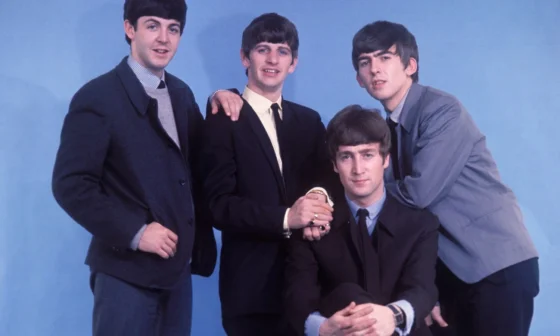
Harrison’s insight made sense: the Beatles were shifting the industry, vocals were key, and audiences were hungry for songs they could sing along with. Marvin recognizes that their instrumental purity was part of the band’s identity — but he also concedes that maybe the band stuck to it perhaps too rigidly.
The What-If of Singing: Impact & Legacy
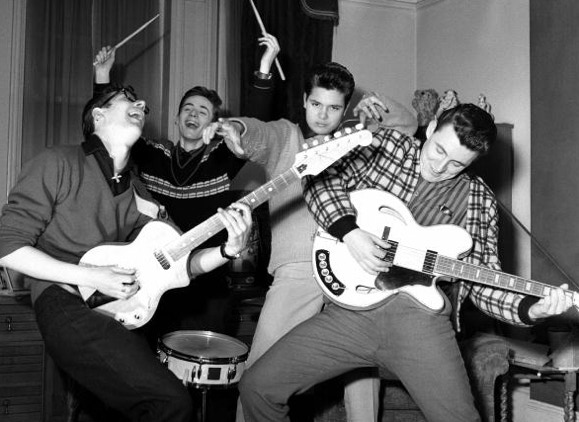
Had The Shadows embraced vocals earlier, what could have happened? Marvin’s reflection opens several possibilities:
-
A broader international reach beyond instrumental niche audiences.
-
Stronger singles that featured lyrics may have have kept their earlier chart momentum, rather than gradually receding into the background as tastes changed.
-
A chance to evolve with the era rather than remain anchored in the earlier sound they helped define.
Yet it’s not all regret. Marvin emphasises that they made music they believed in — distinct, instrumental, and influential. His message is less about “we did it wrong” and more about “looking back, we might have done something differently.”
Why This Matters Today
Marvin’s reflection isn’t just nostalgia — it speaks to the forces shaping music, success and artistic identity:
-
-
Artistic integrity vs. market change: Sometimes what makes an act unique becomes its limitation if tastes shift.
-
Influence beyond charts: The Shadows may not have dominated later vocal-led charts, but their imprint on guitarists (Clapton, Knopfler, Beck) and on the British rock sound is undeniable. choicemag.co.uk
-
The value of hindsight: Even legends ask “what if?” — and their reflections help us understand the evolution of music history.
-
Hank Marvin stands today not just as a pioneer guitarist, but as a thoughtful witness to his own legacy. His admission that he “should have taken Harrison’s advice” adds a layer of human humility to a career many regard as untouchable. The result: a compelling vantage-point on why one of Britain’s most influential bands remained instrumental when the world was increasingly singing.