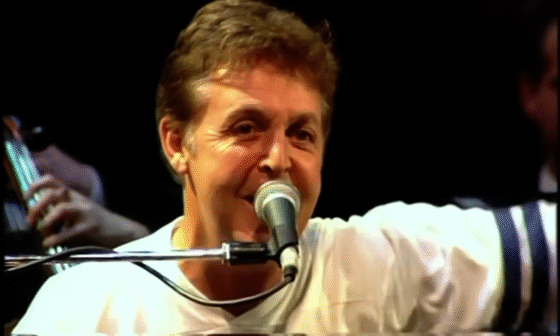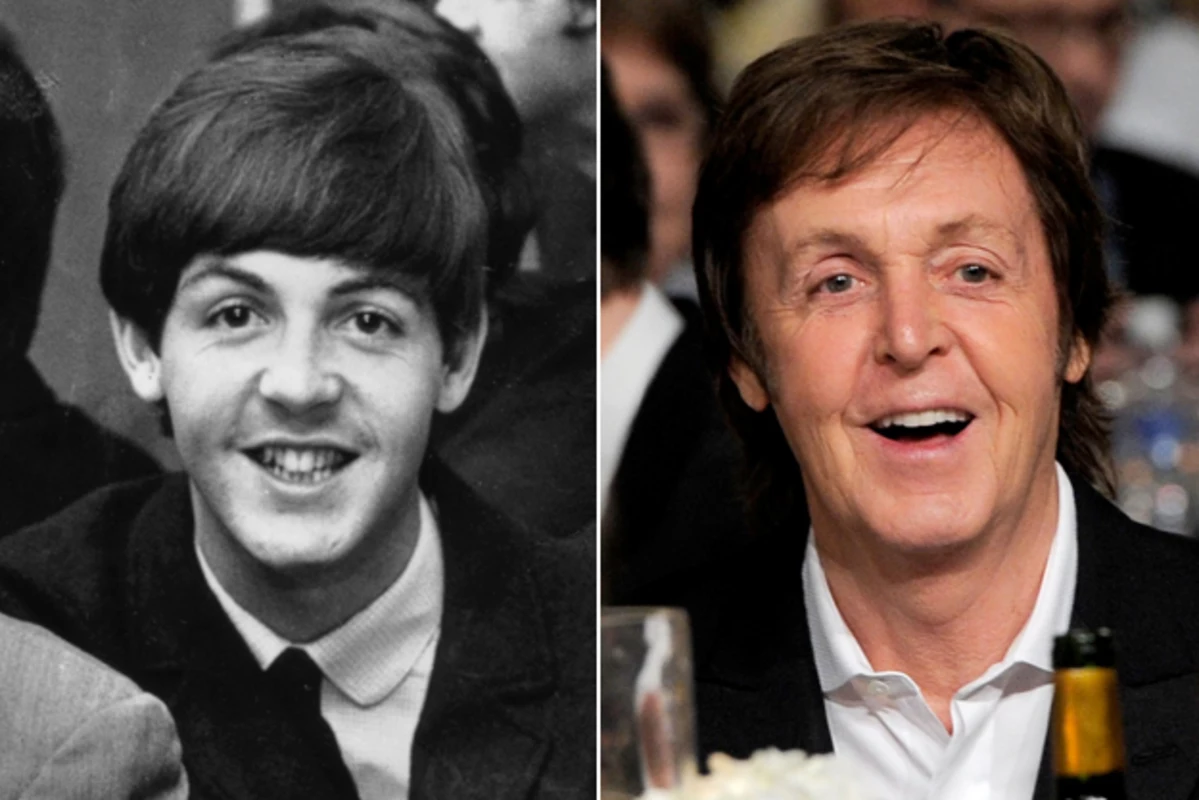
When a new documentary about Paul McCartney is announced, expectations tend to follow a familiar path: a celebration of iconic songs, archival concert footage, and a timeline of achievements that already feel deeply ingrained in music history. But with Paul McCartney: The Songs That Shaped a Lifetime, Netflix appears to be aiming for something more introspective.
From its earliest preview moments, the documentary signals a shift away from the traditional format. Rather than simply recounting milestones, it leans into the creative process—the decisions, instincts, and uncertainties that shaped McCartney’s work over decades. It’s a subtle but meaningful distinction, one that reframes his story not as a sequence of successes, but as an evolving artistic journey.

The film traces McCartney’s path from Liverpool, where his musical identity first took shape, to the global phenomenon of The Beatles. Yet instead of lingering solely on the scale of Beatlemania, the documentary appears more interested in what happened behind the scenes—the moments of doubt, the bursts of inspiration, and the creative risks that came with redefining popular music.
That approach continues into his post-Beatles years, where McCartney’s
 work often took unexpected directions. By focusing on the songs themselves—how they were written, what they meant at the time, and how they have evolved—the film invites viewers to reconsider music they may have heard countless times. Familiar tracks are given new context, not as fixed cultural artifacts, but as living expressions of a particular moment in his life.

A key element of the documentary is its use of archival material. Early glimpses suggest a careful blend of rare footage and present-day reflections, allowing McCartney to revisit his past with the perspective that only time can provide. These moments are not framed as definitive explanations, but as personal recollections—imperfect, thoughtful, and sometimes surprising.
That sense of openness may be what’s driving the early buzz. For many fans, McCartney’s story can feel almost too well known, shaped by decades of interviews, biographies, and public appearances. Yet the initial response to the documentary suggests there is still more to uncover—not necessarily in the form of major revelations, but in the quieter details that give a fuller picture of who he is as an artist.
What stands out most is the tone. Rather than presenting McCartney as an untouchable icon, the film appears to position him as a working musician—someone still engaged with the process of creating, reflecting, and occasionally questioning his own work. It’s a perspective that aligns with how many artists see themselves, regardless of their level of success.

For viewers, this approach offers something different from a standard music documentary. It’s less about confirming what is already known and more about experiencing the story from a new angle. The songs remain central, but they are framed as part of a larger narrative—one that includes uncertainty, change, and the passage of time.
As anticipation continues to build, one thing is clear: Paul McCartney: The Songs That Shaped a Lifetime is not simply revisiting history. It’s reexamining it, inviting audiences to listen more closely and to consider the stories behind the music in a deeper way.