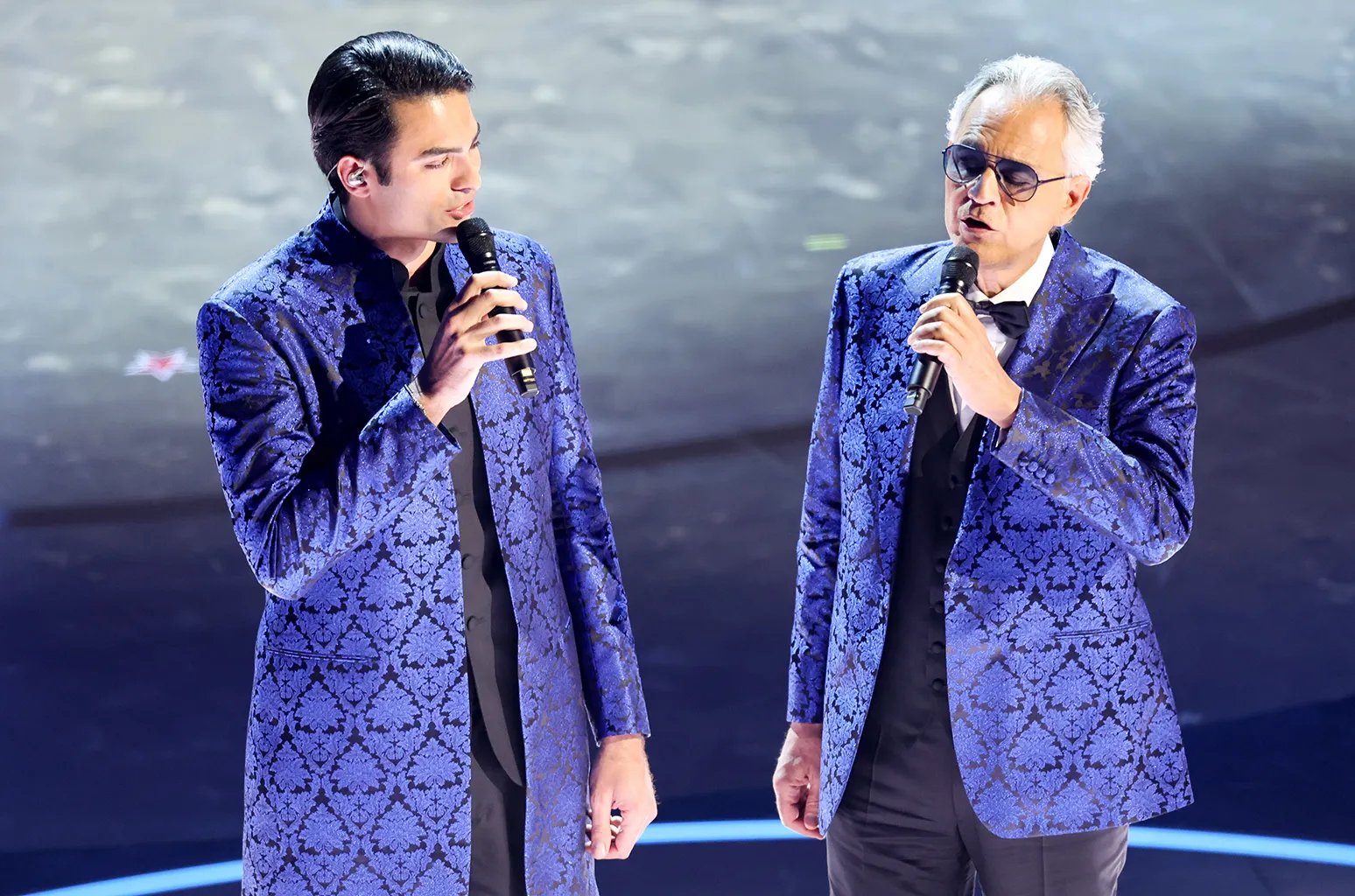
The lights dimmed gently inside the concert hall, casting a warm glow across an audience that had gathered with quiet anticipation. When Matteo Bocelli stepped onto the stage, there was a sense that this would not be just another performance. It carried something more personal—something rooted in family, legacy, and music that spans generations.
Matteo, the son of world-renowned tenor Andrea Bocelli, has steadily carved out his own place in the music world. Yet on this particular evening, he chose not to distance himself from his father’s towering legacy. Instead, he embraced it. Standing before the audience, he began to sing “Time to Say Goodbye,” a song forever associated with Andrea’s powerful voice and emotional depth.
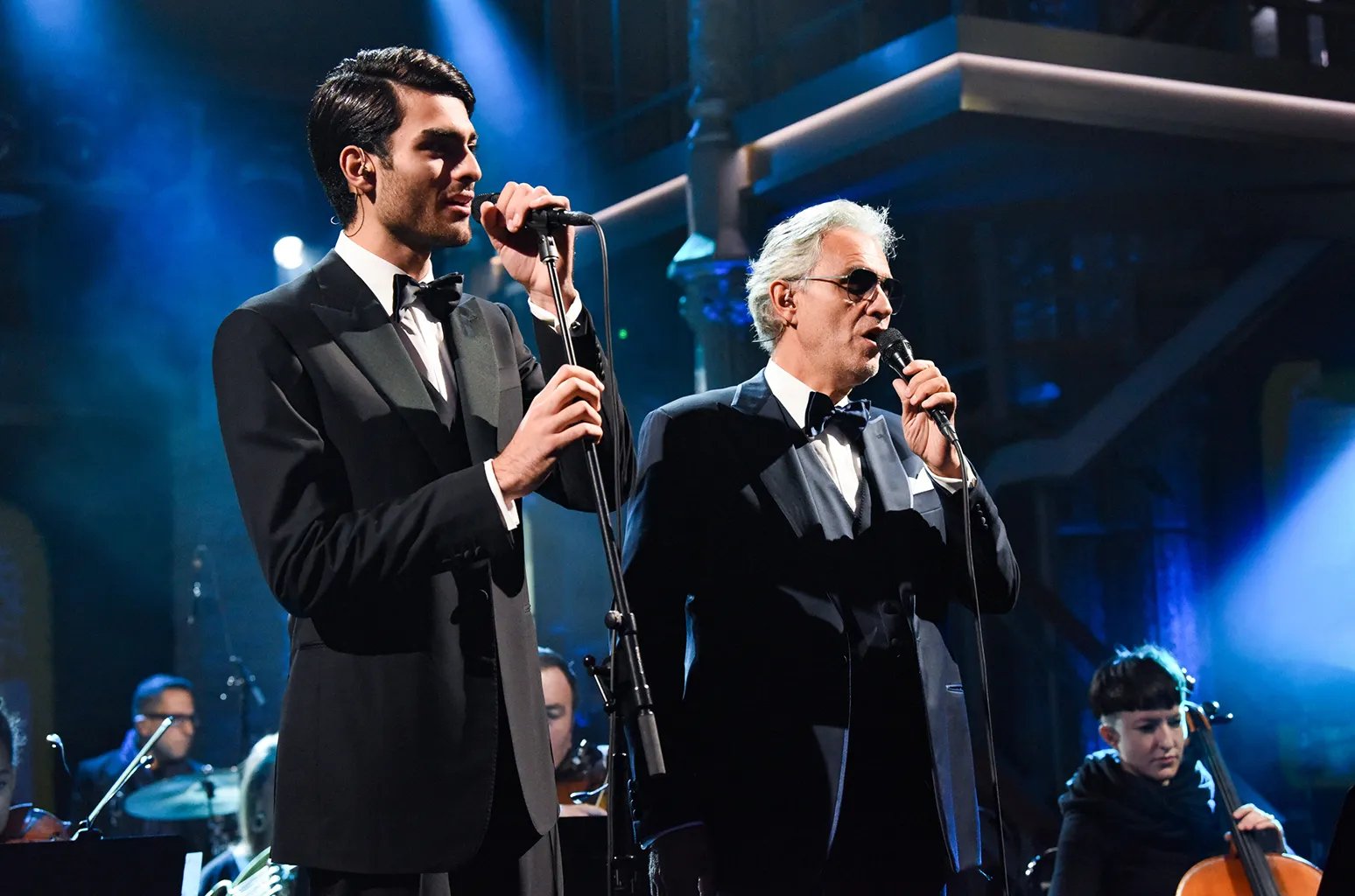
From the very first note, the room shifted. Conversations faded, movements stilled, and an attentive silence settled in. It wasn’t the absence of sound that defined the moment, but the presence of something deeper—an unspoken understanding among listeners that they were witnessing more than a performance. They were part of a tribute.
Matteo’s voice carried both strength and vulnerability. While his tone reflected his own artistry, echoes of his father’s influence could be felt throughout. It was not imitation, but connection—a bridge between generations built through melody and emotion. Each phrase seemed carefully delivered, as though he were honoring not just the song, but the man who made it famous.
For many in the audience, “Time to Say Goodbye” holds a special place. It is a piece often associated with farewells, transitions, and poignant memories. Hearing it performed by Andrea Bocelli’s son added another layer of meaning. It became less about parting and more about continuity—about how music can carry forward stories, relationships, and shared experiences.
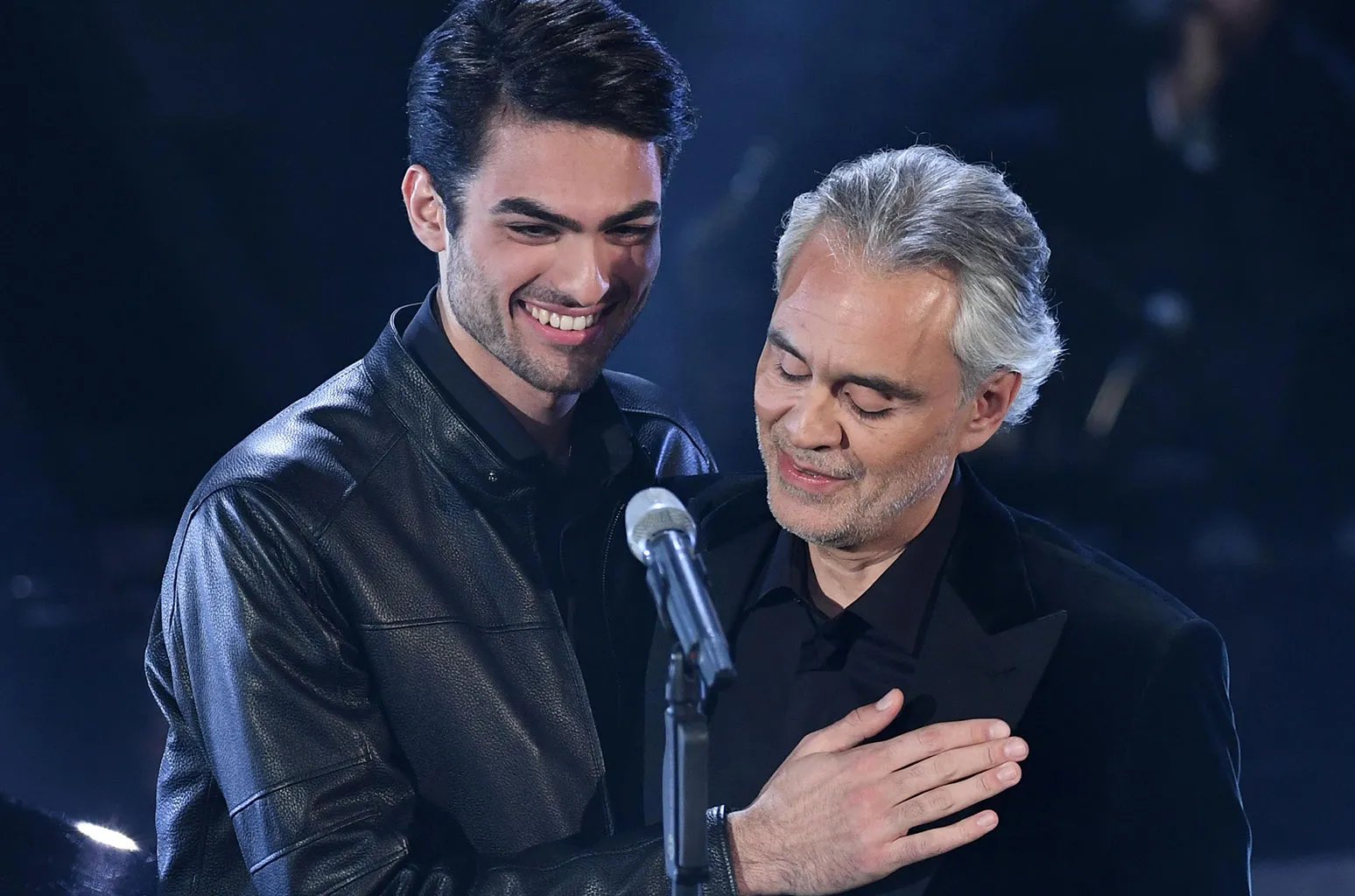
As the performance unfolded, the emotional weight of the moment grew. Some listeners closed their eyes, allowing the music to fully envelop them. Others watched intently, aware that this was a rare and intimate expression of respect from a son to his father. There was no need for grand gestures or elaborate staging. The simplicity of the performance made it all the more powerful.
Matteo has often spoken about the influence his father has had on his life and career. Growing up surrounded by music of such caliber inevitably shapes an artist. Yet moments like this reveal how that influence goes beyond technique or style—it becomes part of one’s identity. By choosing this song, Matteo wasn’t just acknowledging his father’s legacy; he was expressing gratitude for it.
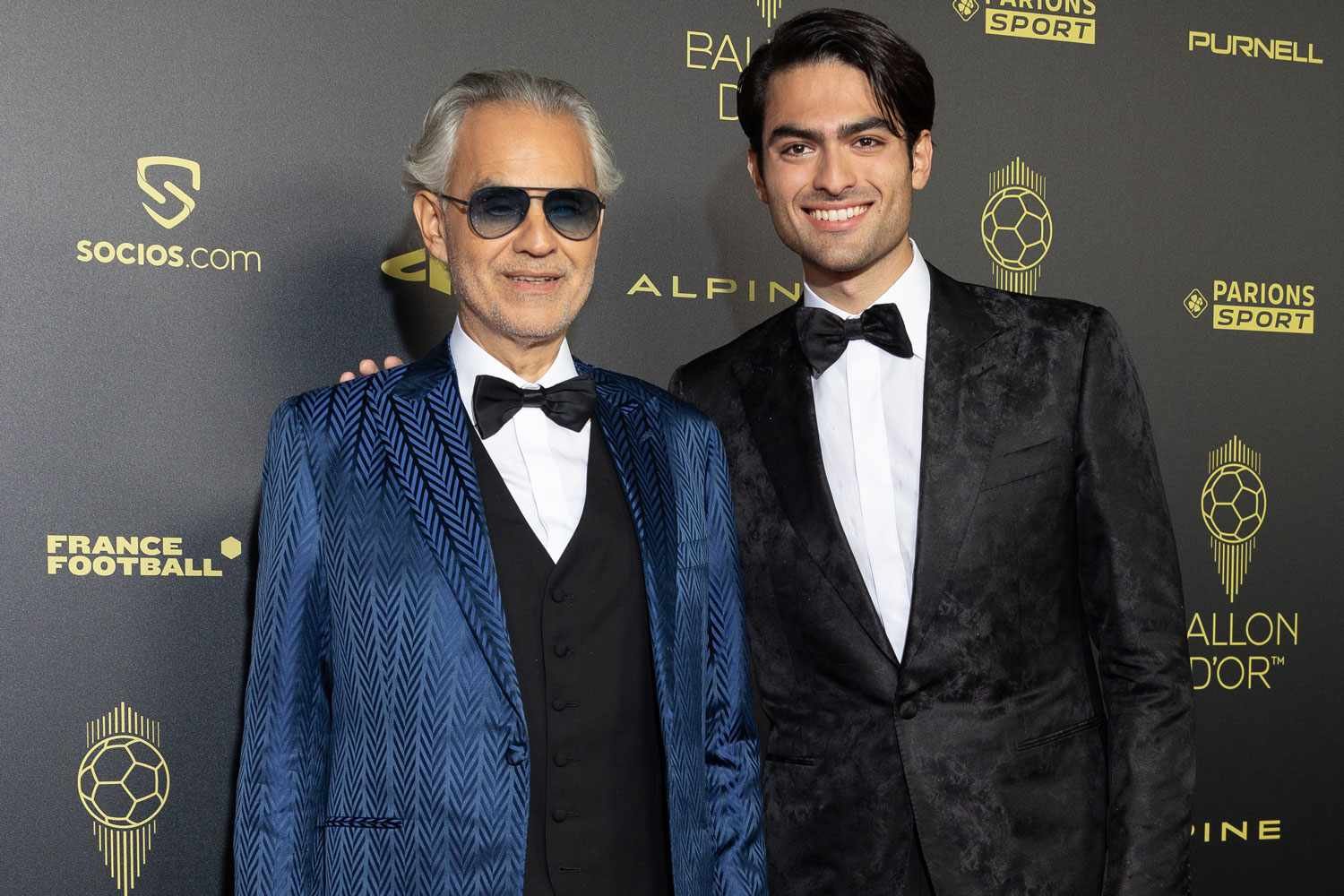
When the final notes lingered and eventually faded, the silence returned briefly—this time filled with reflection rather than anticipation. Then came the applause, rising steadily as the audience recognized the sincerity and emotional depth of what they had just experienced.
In a world where performances can sometimes feel routine, this tribute stood apart. It reminded listeners why music matters—not just as entertainment, but as a way to connect, to honor, and to tell stories that words alone cannot fully capture.