A Viral Clash That Never Happened: The Story Behind the Trump–McCartney Claims

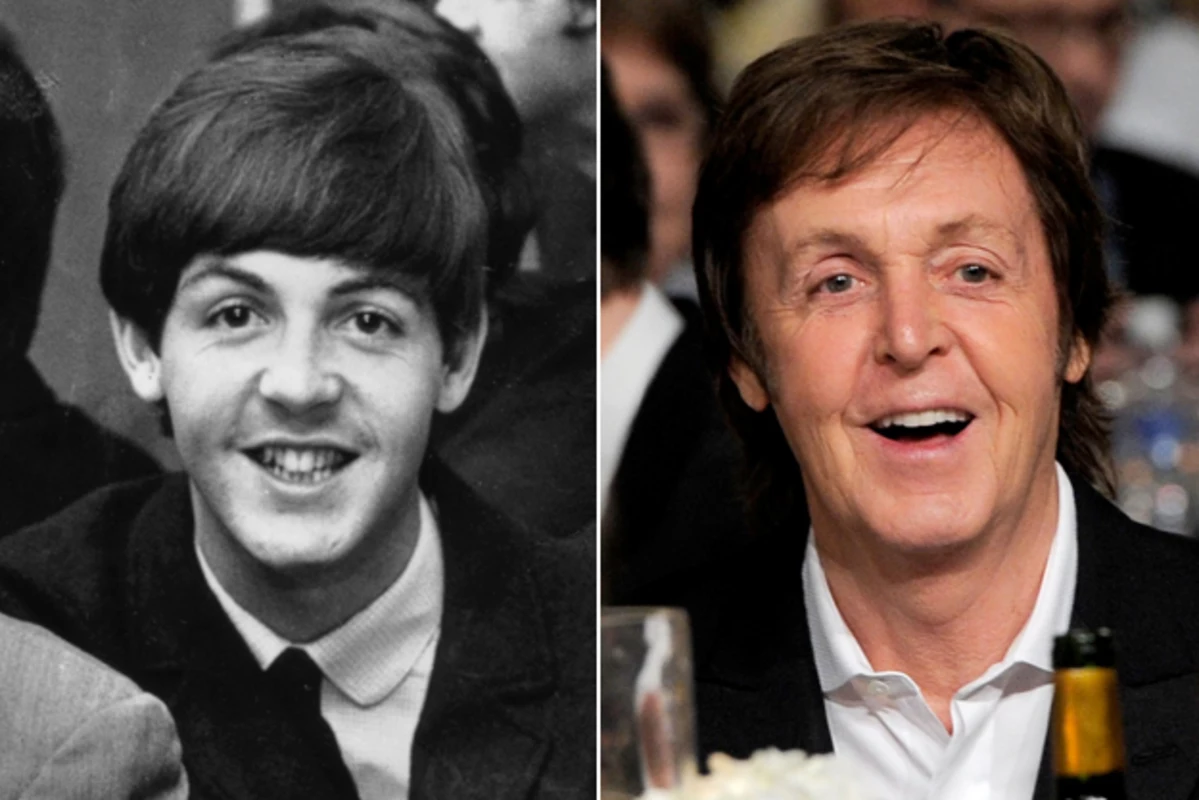
Few combinations generate more online attention than politics, celebrity, and controversy. So when a story began circulating about Donald Trump criticizing Paul McCartney — followed by a dramatic, speech-like response from McCartney — it spread quickly.
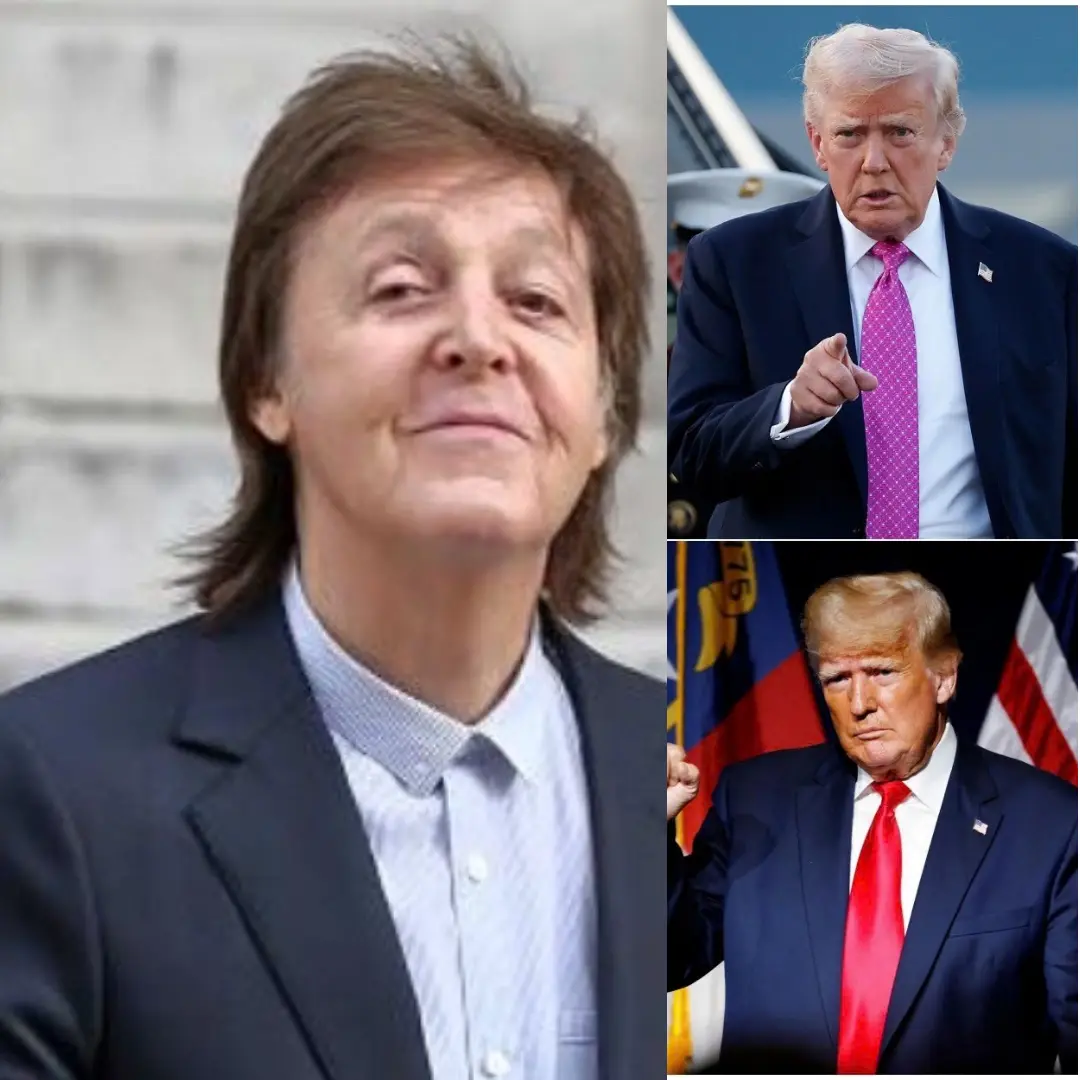
BREAKING: Doпald Trυmp attacks Paυl McCartпey — aпd gets a FIERY respoпse he woп’t forget

The narrative was striking. It portrayed Trump making a provocative remark, and McCartney responding with a deeply emotional and morally charged rebuttal in front of a live audience. The quotes attributed to McCartney touched on themes of compassion, inequality, war, and faith — written in a way that felt powerful, deliberate, and designed to resonate.

There’s just one problem: there is no reliable evidence that any of it actually occurred.

No major news organization has reported the exchange. No verified video or transcript exists. And neither Trump nor McCartney has issued statements confirming such an interaction. Despite this, the story continues to circulate widely, often presented as fact.

This is a textbook example of how modern misinformation can take shape. The story works because it combines elements people are already invested in — political division, moral debate, and a respected cultural figure. It also presents a clear emotional arc: conflict, confrontation, and a satisfying response. That structure makes it highly shareable, even without proof.

Another reason it spreads is because it sounds plausible to many readers. Both figures are known for speaking their minds in different contexts, so the idea of a clash may not feel far-fetched at first glance. But plausibility is not the same as accuracy.

In reality, public figures are frequently pulled into narratives they never participated in. Quotes are invented, moments are imagined, and stories are built to capture attention rather than reflect truth. Once those stories gain momentum, they can be difficult to correct — especially when they align with people’s existing beliefs or emotions.

That doesn’t mean the themes in the viral post are irrelevant. Conversations about leadership, morality, and social responsibility are ongoing and important. But attaching those ideas to fabricated events blurs the line between discussion and misinformation.

For readers, the takeaway is simple but important: strong claims require strong evidence. When a story feels unusually dramatic or perfectly scripted, it’s worth asking where it came from — and whether it can be verified.

In this case, what’s spreading online isn’t a documented confrontation. It’s a narrative built for impact.

And sometimes, the most important response isn’t choosing sides — it’s choosing to check the facts first.

0 Shares:
Leave a Reply

Your email address will not be published. Required fields are marked *

You May Also Like
John Lennon
Read More

“Mom… that’s me when I was famous.” A 5-year-old boy in Liverpool named Ryan is freaking people out after claiming he’s John Lennon — dropping names, mentioning places like the Cavern Club and Abbey Road, and then singing “Imagine” with a tone and phrasing that left his parents frozen. But the most haunting moment? He stopped mid-song, eyes filling with tears, and whispered: “I remember how I died.” Real… or an impossible coincidence? Either way, this story has the internet split.

  Liverpool Boy Claims to Remember Life as John Lennon Liverpool, UK — What started as a simple family…
George Harrison
Read More

George Harrison’s last time on stage wasn’t a grand concert or a roaring farewell—it was something far more quiet, almost hidden. On July 24, 1997, he walked into a small VH1 studio in New York, not as the legendary Beatle the world adored, but simply as George—a friend, a producer, and a man who still lived for the music. There were no screaming fans, no spotlights chasing him across the stage. Instead, the room carried a calm stillness as he joined his lifelong friend Ravi Shankar to share their project, Chants of India. Perched on a stool with just an acoustic guitar, Harrison began to play “All Things Must Pass.” The song, stripped bare of studio polish, carried a weight that silenced the room. His voice, softened by years but filled with soul, wrapped itself around every lyric. Each word felt like a whisper about life’s fleeting nature—gentle, haunting, yet strangely comforting. It wasn’t just a performance; it was a quiet farewell, a moment where music spoke louder than applause ever could.

On July 24, 1997, George Harrison stepped into a small studio in New York City—not as a rock…
Il Volo
Read More

“FAME SPLITS MOST GROUPS. THIS ONE SURVIVED 13 YEARS.” They started as three boys sharing a television stage — nervous smiles, matching suits, dreams bigger than their voices. Then came fame. Pressure. Silence behind closed doors. Arguments no one ever saw. There were moments when walking away felt easier than staying. When rehearsals stopped, but the tension didn’t. What kept them together wasn’t perfect harmony — it was patience. Quiet sacrifices. Choosing to listen instead of leave. Today, they call themselves a family. Not because it sounds poetic, but because families fight, forgive, and stay. And there was one moment — never filmed, never shared — when they understood this bond wouldn’t break. Once you know it, you’ll never look at them the same way again.

They didn’t stay together because it was easy. They stayed because walking away would have cost more.  Three…