Some of the most powerful moments in music happen by accident. A change in plan, a voice heard at the right time, a decision made in the moment—these are the things that can transform a song into something unforgettable. That’s exactly what happened with “Fall On Me,” the emotional duet between Andrea Bocelli and his son, Matteo Bocelli.
Originally, the song wasn’t meant to be a family affair at all.
Producer Bob Ezrin had envisioned “Fall On Me” as a collaboration between Andrea and a female vocalist. The concept was clear, the structure already in place. Matteo, at the time in his early twenties, was simply there to help—assisting with the Italian phrasing and offering support behind the scenes.
But then something unexpected happened.
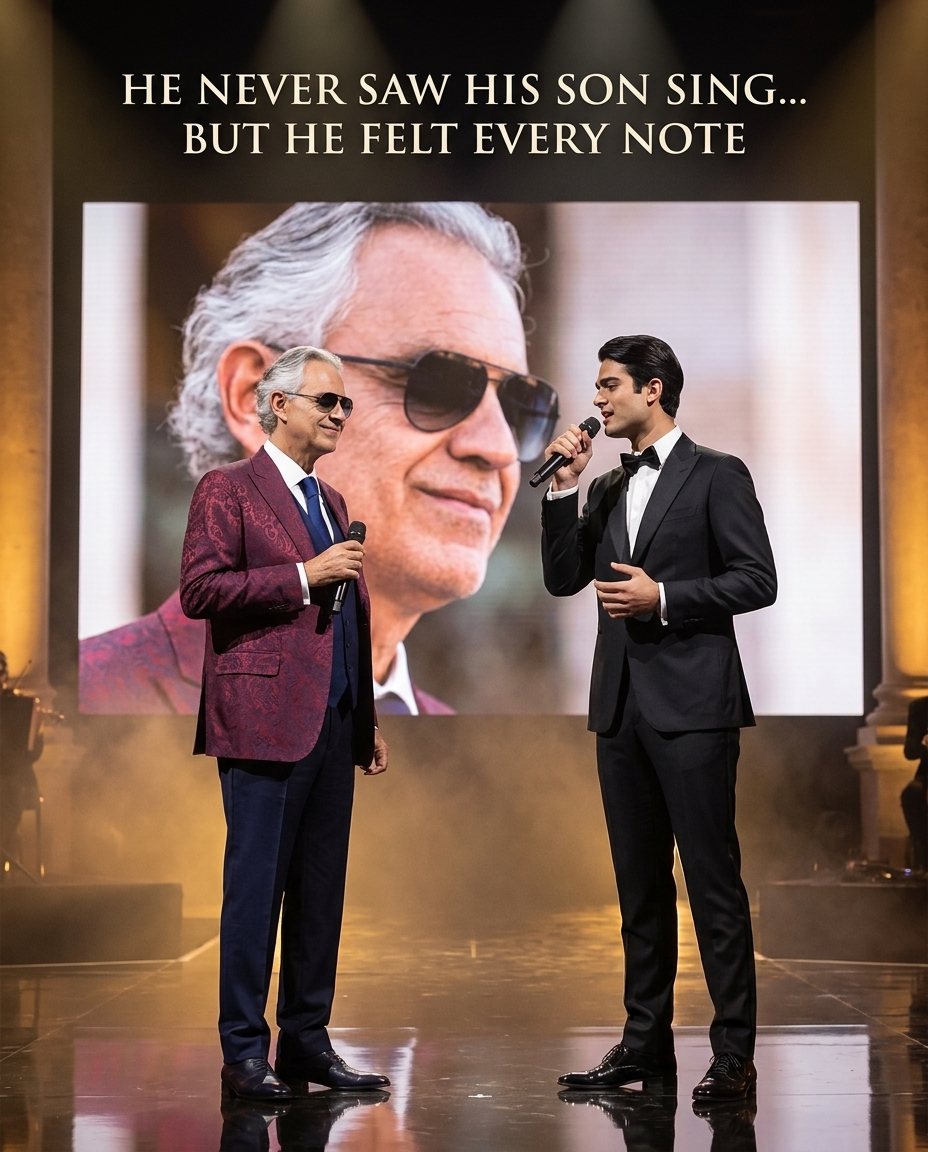
As Matteo sang through parts of the song, Ezrin paused. There was something in the voice—raw, sincere, and naturally expressive. It wasn’t polished in the same way as his father’s, but it carried its own emotional weight. Ezrin’s reaction was immediate and simple: Who is that?
In that moment, the plan changed.
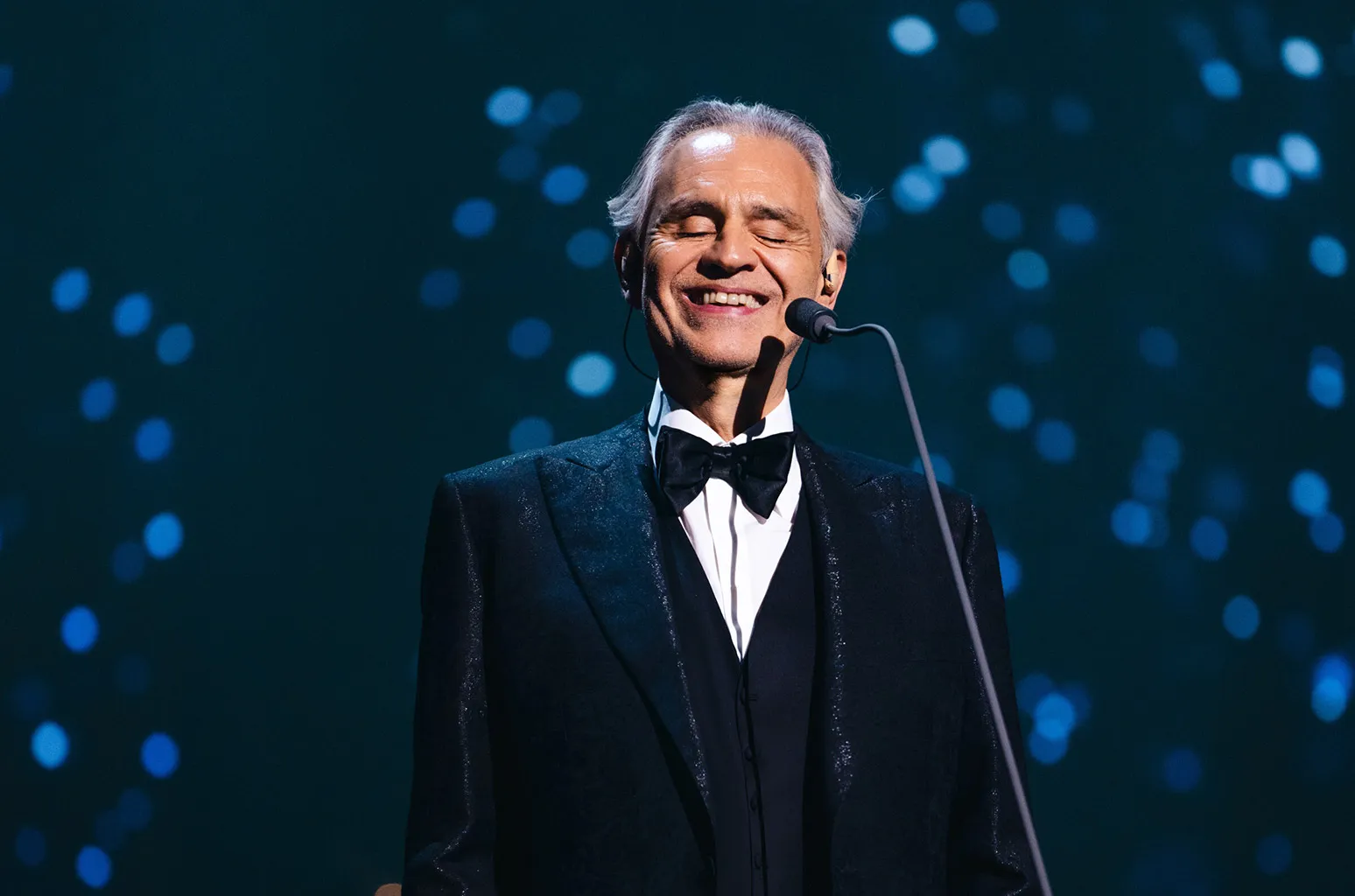
What followed was the creation of a duet that felt less like a production choice and more like something inevitable. Andrea, whose voice has defined classical crossover music for decades, brought his signature depth and control. Blind since the age of 12, he has built a career not just on technical mastery, but on the ability to communicate emotion through sound alone.
Standing beside him, Matteo brought something different. His voice carried youth, vulnerability, and a sense of discovery. Where Andrea’s tone felt grounded and timeless, Matteo’s felt searching, reaching forward. Together, they created a contrast that gave the song its unique character.
“Fall On Me” unfolds as a conversation. Matteo sings in English, his lines filled with longing and openness. Andrea responds in Italian, his voice adding layers of warmth and reassurance. The languages shift, but the meaning remains clear. It’s not just a duet—it’s a dialogue between generations.
What makes the performance especially moving is the relationship behind it. Andrea has never seen his son. Yet in this song, sight feels irrelevant. The connection between them is carried entirely through sound—through phrasing, tone, and the subtle ways their voices meet and separate.
When they sing together, the distinction between father and son seems to dissolve. It becomes something simpler and more universal: two people connected by something deeper than words.
The impact of the song was immediate. Listeners around the world responded not just to the melody, but to the story within it. It felt genuine, unforced, and deeply human. In a genre that often leans toward grandeur, “Fall On Me” stood out for its intimacy.
There’s a moment at the end of the performance that captures everything. As the final note fades, there’s a sense of completion—not just musically, but emotionally. Andrea smiles, a small but meaningful gesture. It’s not about seeing the moment, but about hearing it fully.
For him, that’s enough.
And for those listening, it becomes something more—a reminder that music doesn’t need translation when it’s rooted in something real. It crosses boundaries, bridges generations, and, in rare cases like this, tells a story that feels both deeply personal and universally understood.
What began as an unexpected discovery became something lasting.
Not just a song, but a moment where music and family became one.