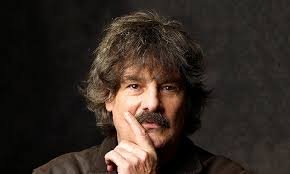
For performers, the stage is often a place of joy, connection, and shared celebration. But sometimes, it becomes something more personal—a space where emotion cannot be separated from the music. That was the case for Ignazio Boschetto of Il Volo, who faced one of the most difficult moments of his life under the spotlight.
Just days after the sudden passing of his father, Vito, Boschetto returned to the stage with his bandmates, carrying a weight that no rehearsal could prepare him for. The audience, expecting an evening of soaring harmonies and powerful performances, instead witnessed something far more intimate—a tribute shaped by grief, love, and resilience.
Before the first note was sung, the trio paused to address the crowd. Their words were simple, yet deeply moving: the concert would be dedicated to Vito, a man they described as dearly missed and forever present in spirit. In that moment, the atmosphere shifted. The distance between performer and audience seemed to dissolve, replaced by a shared understanding of loss.

As the performance began, Boschetto’s emotions were unmistakable. Known for his strong, expressive voice, he appeared on the verge of tears, his usual confidence softened by the reality of what he was enduring. Each lyric carried an added depth, as though the music itself had become a way to process what words alone could not express.
For fans of Il Volo, the moment was both heartbreaking and inspiring. The trio has built its reputation on blending classical technique with modern emotion, but this performance revealed something even more profound—the human side of artistry. It was a reminder that behind every polished note is a person with experiences that shape how that note is delivered.
His fellow members stood beside him not just as collaborators, but as friends offering quiet support. Their presence underscored the bond that has defined the group since its early days—a connection that extends beyond music into shared life moments, both joyful and painful.
There is a long tradition in music of artists channeling personal grief into performance. In those moments, the stage transforms into a place of remembrance. For Boschetto, this tribute was not about perfection; it was about honoring his father in the most meaningful way he knew—through song.
The audience responded with empathy, their applause carrying a different kind of energy. It wasn’t just appreciation for the music, but recognition of the courage it takes to stand before thousands while navigating such a personal loss. Many in the crowd likely saw reflections of their own experiences, their own moments of saying goodbye.

In the end, the performance became more than a concert. It was a living tribute, a reminder that music has the power to hold emotion when it feels too heavy to carry alone. Through his voice, Boschetto created a space where grief and beauty could exist side by side.
And while the evening may have begun with sorrow, it also carried something enduring—a sense that love, once given, continues to resonate long after the final note fades.