Fans Push for Miranda Lambert at the Super Bowl, Citing a Hunger for Authentic Country Sound

A Petition That Became a Statement
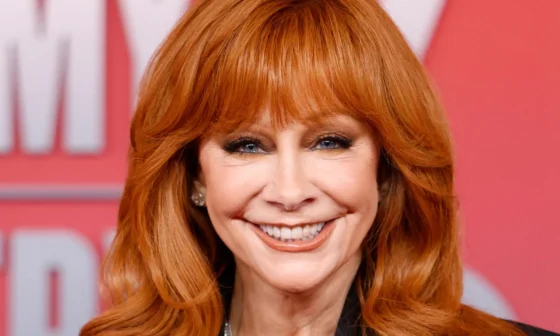
What began as a simple online petition has quickly grown into something far more meaningful. When a campaign urging Miranda Lambert to headline the Super Bowl halftime show surpassed 20,000 signatures, it became clear this was not just fan enthusiasm—it was a cultural statement.
In a music landscape increasingly shaped by glossy pop production and spectacle-driven performances, the call for Lambert reflects a deeper desire. Fans are not merely asking for a different artist; they are asking for a different feeling. One rooted in authenticity, storytelling, and the emotional grit that has long defined country music.
Why the Super Bowl Stage Matters
The Super Bowl halftime show is one of the most-watched musical performances in the world. For many artists, it represents the pinnacle of mainstream recognition—a moment that can define legacies and shape cultural conversations.
Yet for some fans, the halftime show has drifted away from representing the full spectrum of American music. While recent performances have been praised for scale and production, critics argue they often prioritize spectacle over substance.
The growing support for Lambert signals a belief that the Super Bowl stage should also be a place for raw storytelling and emotional connection—not just visual fireworks.
A Collective Craving for Authenticity
At the heart of the movement lies a shared sentiment: authenticity still matters. Supporters of Lambert emphasize that her music has never relied on trends or excessive polish. Instead, it has thrived on honesty—songs that speak openly about heartbreak, resilience, independence, and identity.
Fans argue that this kind of storytelling resonates across genres and generations. In their view, the Super Bowl audience is not only ready for real country music—it is craving it.
The petition’s language reflects that longing, framing Lambert as a voice for listeners who feel underrepresented in today’s biggest pop moments.
Miranda Lambert’s Enduring Appeal
Lambert’s career has been built on staying true to her roots while evolving artistically. She has never positioned herself as a crossover act chasing mainstream approval, yet her influence extends far beyond the country charts.
Her appeal lies in her consistency. Fans know what she stands for: independence, emotional honesty, and a refusal to dilute her voice. That trust is a powerful currency, and it is precisely why supporters believe she belongs on one of the world’s biggest stages.
For many, Lambert represents not just a genre, but an attitude—one that values substance over shine.
Country Music and the American Story
Country music has long been intertwined with American identity. Its stories reflect everyday struggles, small-town pride, and personal resilience. Yet fans argue that this tradition is often overlooked in major pop culture moments.
The push for Lambert is also a push for recognition—acknowledging that country music remains a vital and evolving part of the national soundtrack.
Supporters see the Super Bowl as an ideal platform to showcase that heritage, believing that a Lambert-led halftime show could bridge generations and musical tastes through shared emotional experience.
More Than Numbers: A Cultural Signal
While 20,000 signatures is an impressive milestone, the significance of the movement goes beyond numbers. It represents a broader conversation about what audiences want from live music at major events.
Fans are increasingly vocal about fatigue with overly produced performances. The call for Lambert is, in many ways, a reaction against artificial perfection—a reminder that imperfection, when rooted in honesty, can be far more powerful.
This movement suggests that audiences are ready to embrace performances that prioritize connection over choreography.
What a Lambert Halftime Show Could Represent
Imagining Lambert on the Super Bowl stage invites a different kind of halftime narrative. One focused less on costume changes and more on lyrical impact. Less about visual overload, more about shared feeling.
Supporters envision a performance that highlights storytelling, live musicianship, and emotional resonance. They believe such a show could redefine expectations, proving that authenticity can command just as much attention as spectacle.
Whether or not it happens, the idea itself has already sparked discussion about the future of halftime performances.
A Reflection of Shifting Audience Values
The momentum behind the petition also reflects shifting audience values. In an era of constant digital noise, many listeners are seeking grounding experiences—music that feels real, personal, and unfiltered.
Lambert’s supporters argue that her presence on the Super Bowl stage would acknowledge that shift. It would signal that mainstream platforms are willing to evolve alongside audience tastes rather than dictate them.
That possibility is what makes the movement feel hopeful rather than nostalgic.
Whether or Not It Happens, the Message Is Clear
There is no guarantee that the petition will lead to Lambert headlining the Super Bowl. Decisions around the halftime show involve countless factors, from sponsorships to branding strategies.
But regardless of the outcome, the message behind the movement is unmistakable. A significant group of fans is asking for something different—something grounded, meaningful, and emotionally honest.
They are not rejecting pop culture; they are expanding it.
Real Country, Real Connection
The call for Miranda Lambert to take the Super Bowl stage is ultimately about more than one artist. It is about representation, authenticity, and the enduring power of storytelling in music.
In rallying behind her, fans are reminding the industry that real country music still matters—and that its voice deserves to be heard at the biggest moments.
Whether on the Super Bowl stage or beyond it, the movement proves one thing clearly: America still craves music that feels real.