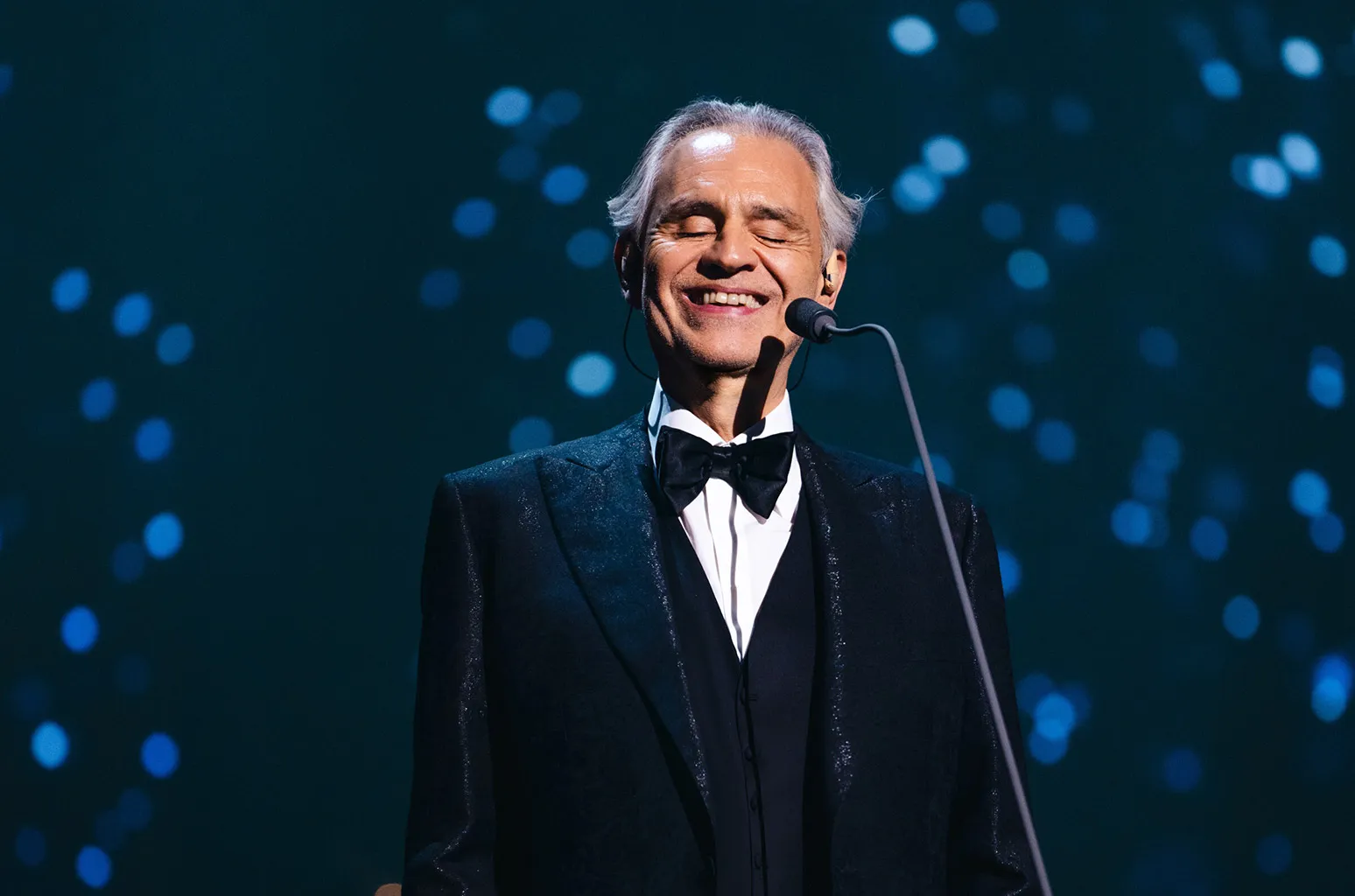
Before a single ball was kicked at the 2026 FIFA World Cup, the attention of tens of thousands inside Mexico City’s iconic Azteca Stadium was focused on the stage. The opening ceremony celebrated football’s ability to unite people across continents, and one of its most memorable moments came when world-renowned tenor Andrea Bocelli took part in the live debut of “DNA,” the tournament’s official anthem.
The World Cup has long combined sport with music, using its opening ceremonies to showcase artists capable of capturing the excitement and emotion surrounding the world’s biggest football tournament. For the 2026 edition, FIFA introduced “DNA” as the official anthem, bringing together an international lineup that blended classical vocals with contemporary music. The song features Andrea Bocelli alongside David Guetta, Megan Thee Stallion, and EJAE, with Bocelli and EJAE performing it live during the opening ceremony in Mexico City.
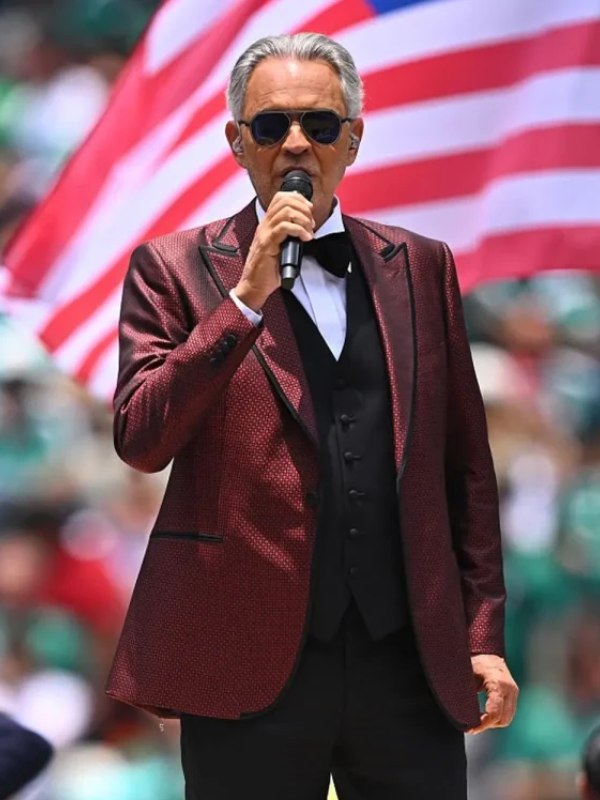
As the stadium filled with anticipation, Bocelli’s unmistakable voice echoed through the venue, bringing a sense of grandeur to the ceremony. Backed by an impressive production and surrounded by thousands of supporters, his performance highlighted the emotional side of football—one built on unity, hope, and shared celebration. The anthem was designed to reflect those values, presenting the World Cup as something that extends beyond ninety minutes on the pitch.
The ceremony itself featured a wide range of musical performances celebrating the tournament’s host nations and global appeal. Alongside Bocelli’s appearance, artists from different musical backgrounds took the stage, creating a program that reflected the diversity of the event. Yet many viewers singled out the performance of “DNA” as one of the evening’s defining moments, praising the combination of orchestral grandeur and contemporary production.
For Bocelli, performing at the World Cup represented another milestone in a career that has brought his voice to some of the world’s most significant cultural events. Speaking about the anthem, he described football as something that has always held a special place in his life and said the song reflects values such as resilience, ambition, belonging, and unity—qualities shared by players and supporters alike.

The performance also demonstrated how music can shape the atmosphere of a sporting event before competition even begins. As the final notes faded and attention turned toward the opening match, the audience had already experienced a moment designed to bring millions of fans together through a shared emotional experience.
For many watching around the world, the ceremony reinforced why World Cup openings continue to attract global audiences. They are not simply introductions to a football tournament but celebrations of culture, music, and international connection. Andrea Bocelli’s contribution to that tradition added a sense of elegance and emotion that complemented the excitement building inside Azteca Stadium.
Long after the opening whistle, many fans continued talking about the music that welcomed the world to the tournament. It served as a reminder that while football creates unforgettable memories on the field, some of the most meaningful moments begin before the match has even started.