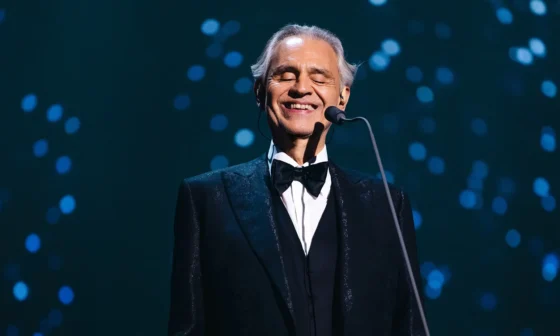
Andrea Bocelli’s Quiet Support for Vulnerable Children Is Inspiring Fans Around the WorldFor decades, Andrea Bocelli has been admired for the emotional power of his voice. Through opera, classical crossover, and international performances, he has built a career that has touched millions of listeners across generations. But according to recent reports from Italy, some of his most meaningful work may be happening far away from concert stages and recording studios. Over the past three years, Bocelli has reportedly directed a considerable portion of earnings from selected musical projects toward helping fund a center that supports orphaned and economically disadvantaged children in Italy. While details of the financial contributions have remained mostly private, individuals connected to the organization say the support has played an important role in expanding educational programs, housing assistance, music activities, and emotional care services for children facing difficult circumstances. What has especially moved many people is the quiet way the support was handled. Unlike many celebrity charitable campaigns that arrive with press conferences and media tours, Bocelli’s involvement was reportedly kept intentionally low-profile. Staff members connected to the center explained that the singer preferred avoiding attention around the donations, focusing instead on the long-term needs of the children themselves. That approach has only increased admiration among supporters who believe the gesture reflects genuine compassion rather than publicity. Recently, however, a deeply personal moment connected to the center began attracting public attention. According to individuals present during a private visit, Bocelli spent time meeting several children supported by the organization. During one conversation, a young child reportedly spoke about discovering comfort through music while coping with loss and instability at home. Witnesses described the atmosphere becoming emotional almost immediately. The child explained how listening to music — particularly songs associated with hope and calmness — helped create moments of peace during extremely difficult periods. Staff members later said Bocelli listened carefully throughout the conversation, occasionally asking gentle questions while remaining visibly affected by the story. At one point, those present said the tenor became emotional himself. For many observers, the moment reflected something larger than charity alone. It showed the powerful connection between music and human experience — especially for children searching for stability, identity, and encouragement during painful chapters of life. Bocelli has often spoken publicly about resilience, faith, and overcoming adversity. After losing his sight at a young age, he built one of the most celebrated careers in modern classical music through determination and discipline. Supporters say that personal understanding of struggle may help explain why initiatives involving vulnerable children appear especially meaningful to him. Fans online reacted warmly after hearing about the reported visit and the emotional interaction. Many praised the tenor not only for his financial support, but also for taking time to connect personally with the children involved. Others noted that acts of quiet generosity often leave the strongest impression precisely because they are not designed for headlines. As the story continues circulating, supporters around the world have shared messages celebrating Bocelli’s compassion and the positive influence music can have beyond entertainment alone. For many people, the story serves as a reminder that some of the most important performances in life happen far away from the spotlight — in quiet rooms, personal conversations, and moments of kindness that never appear on stage.

andrea bocelli

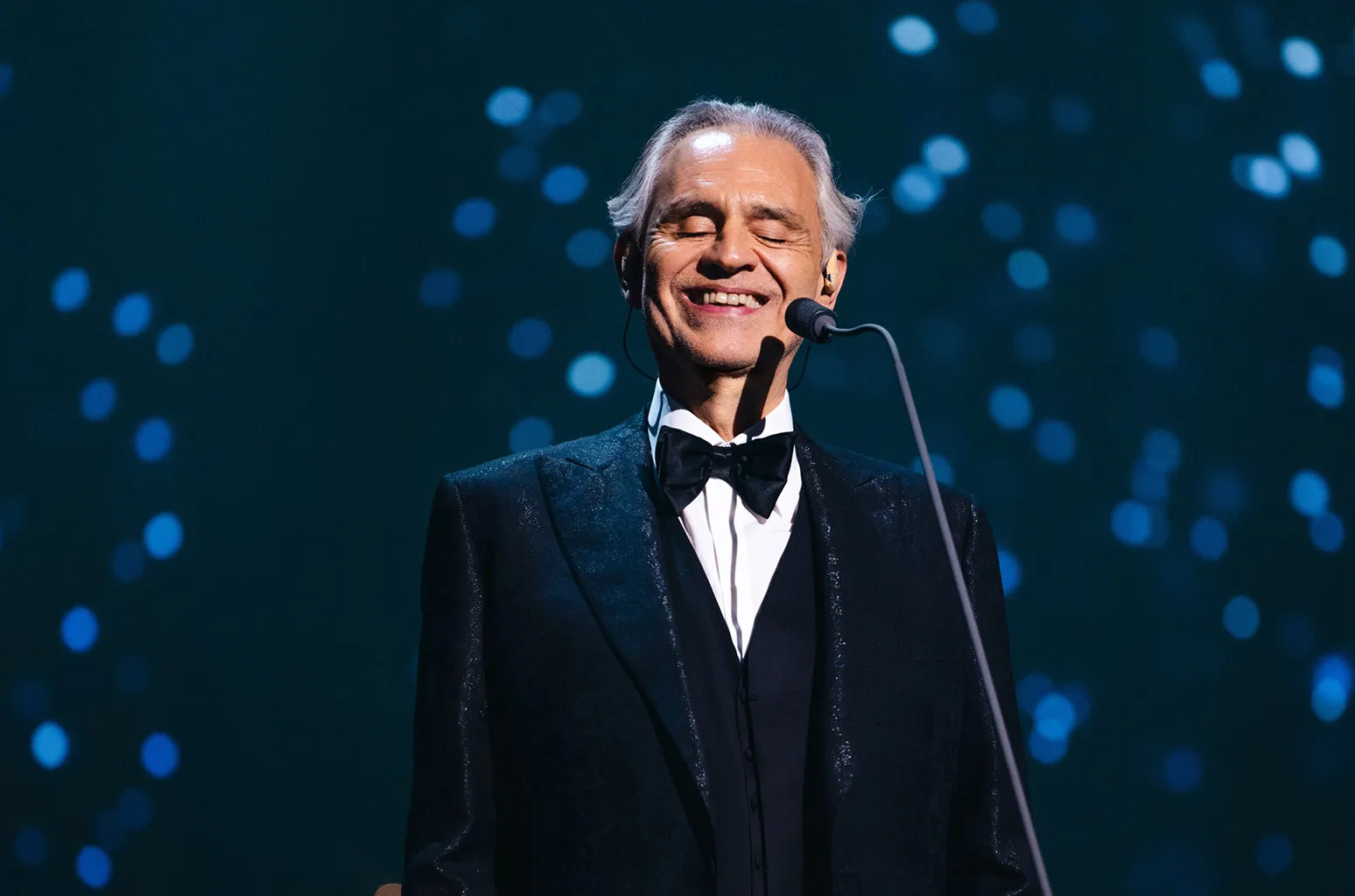
For decades, Andrea Bocelli has been admired for the emotional power of his voice. Through opera, classical crossover, and international performances, he has built a career that has touched millions of listeners across generations.

But according to recent reports from Italy, some of his most meaningful work may be happening far away from concert stages and recording studios.

Over the past three years, Bocelli has reportedly directed a considerable portion of earnings from selected musical projects toward helping fund a center that supports orphaned and economically disadvantaged children in Italy. While details of the financial contributions have remained mostly private, individuals connected to the organization say the support has played an important role in expanding educational programs, housing assistance, music activities, and emotional care services for children facing difficult circumstances.
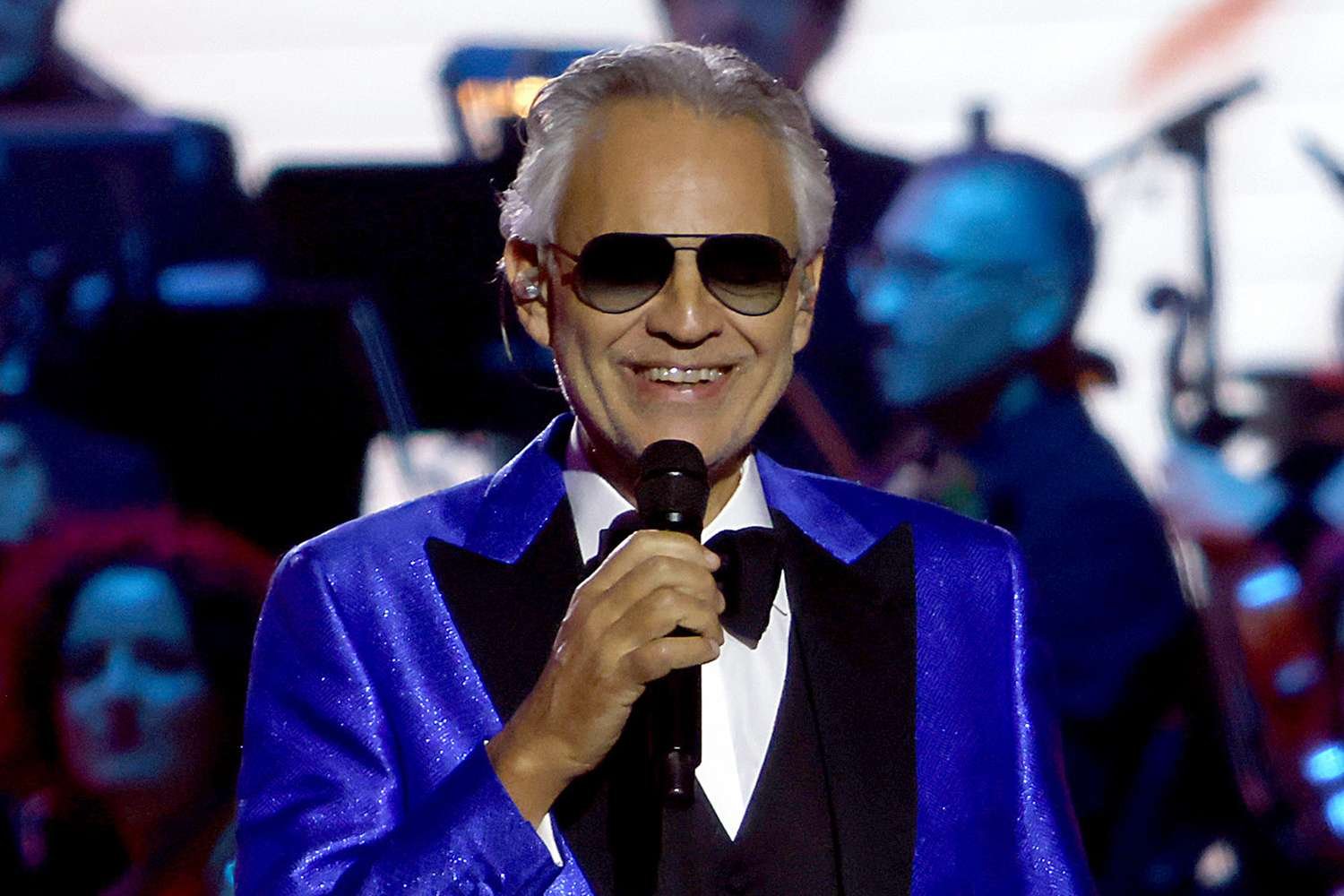
What has especially moved many people is the quiet way the support was handled.

Unlike many celebrity charitable campaigns that arrive with press conferences and media tours, Bocelli’s involvement was reportedly kept intentionally low-profile. Staff members connected to the center explained that the singer preferred avoiding attention around the donations, focusing instead on the long-term needs of the children themselves.

That approach has only increased admiration among supporters who believe the gesture reflects genuine compassion rather than publicity.

Recently, however, a deeply personal moment connected to the center began attracting public attention.

According to individuals present during a private visit, Bocelli spent time meeting several children supported by the organization. During one conversation, a young child reportedly spoke about discovering comfort through music while coping with loss and instability at home.

Witnesses described the atmosphere becoming emotional almost immediately.
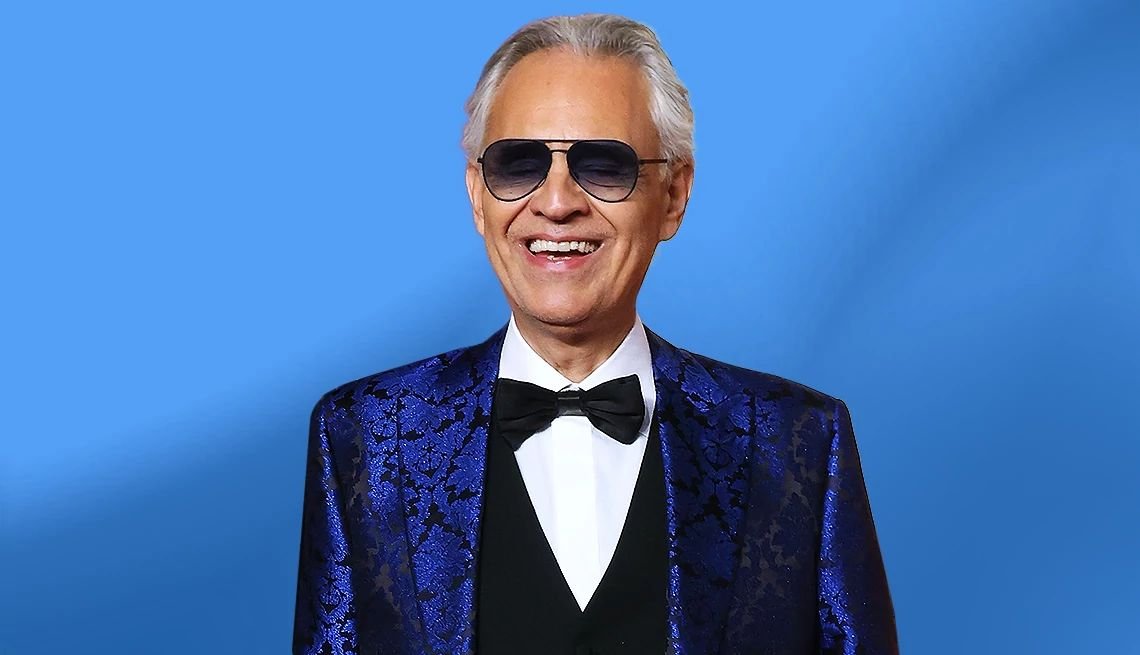
The child explained how listening to music — particularly songs associated with hope and calmness — helped create moments of peace during extremely difficult periods. Staff members later said Bocelli listened carefully throughout the conversation, occasionally asking gentle questions while remaining visibly affected by the story.

At one point, those present said the tenor became emotional himself.

For many observers, the moment reflected something larger than charity alone. It showed the powerful connection between music and human experience — especially for children searching for stability, identity, and encouragement during painful chapters of life.

Bocelli has often spoken publicly about resilience, faith, and overcoming adversity. After losing his sight at a young age, he built one of the most celebrated careers in modern classical music through determination and discipline. Supporters say that personal understanding of struggle may help explain why initiatives involving vulnerable children appear especially meaningful to him.

Fans online reacted warmly after hearing about the reported visit and the emotional interaction. Many praised the tenor not only for his financial support, but also for taking time to connect personally with the children involved.

Others noted that acts of quiet generosity often leave the strongest impression precisely because they are not designed for headlines.
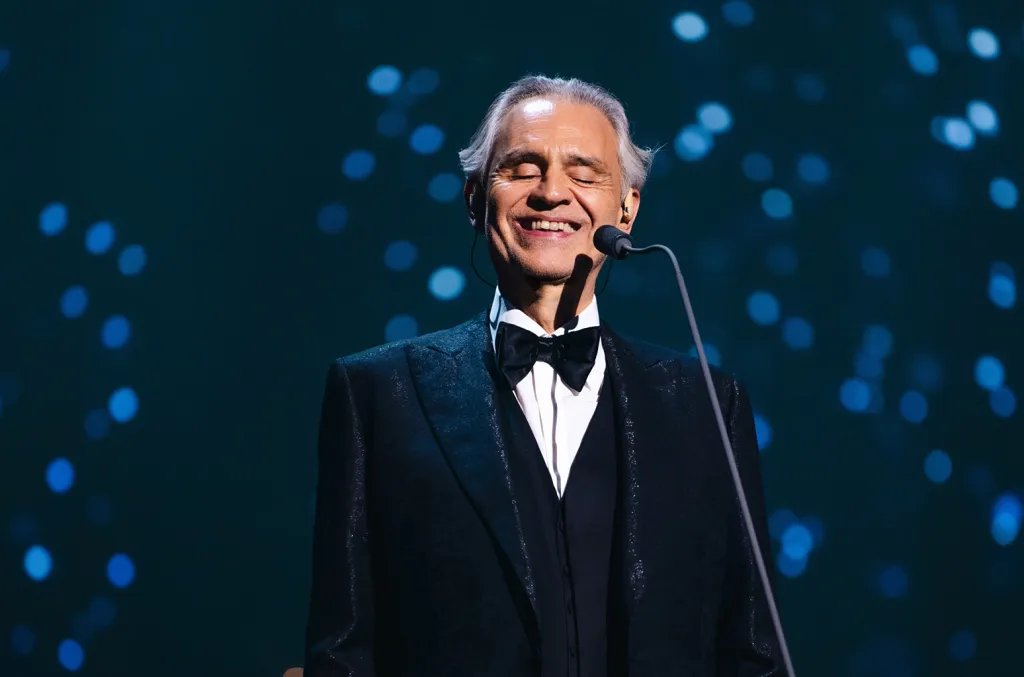
As the story continues circulating, supporters around the world have shared messages celebrating Bocelli’s compassion and the positive influence music can have beyond entertainment alone.

For many people, the story serves as a reminder that some of the most important performances in life happen far away from the spotlight — in quiet rooms, personal conversations, and moments of kindness that never appear on stage


0 Shares:
Leave a Reply

Your email address will not be published. Required fields are marked *

You May Also Like
Reba
Read More

HEARTBREAKING NEWS: Just Now — Reba McEntire has broken her silence on the death of Kenny Rogers, revealing a truth that stunned fans worldwide. In an emotional confession, Reba said Kenny wasn’t just a colleague — he was the man who saved her sanity during the darkest chapter of her life. Her voice trembled as she shared the story only a few ever knew, and Reba McEntire is currently about to…

Reba McEntire Mourns Kenny Rogers: “He Saved My Sanity” — A Heartbreaking Tribute to a Friendship That Changed…
Loretta Lynn’s Granddaughter & Willie Nelson’s Son
Read More

THE NIGHT THE DUET DIED: Loretta Lynn’s Final Song Beside Conway Twitty Still Haunts Country Music — A Goodbye the World Never Saw Coming.Saw Coming. It happened quietly, without fanfare — a night that began like so many others for two of country music’s greatest voices, and ended as the closing chapter of one of its most beloved partnerships. When Loretta Lynn and Conway Twitty walked onstage together for the final time, no one in the crowd realized they were witnessing the end of an era — the night the duet, as the world knew it, died. The year was 1988. The place: Nashville, under the soft golden lights of a charity concert meant to celebrate country’s classic voices. Loretta and Conway had performed together hundreds of times, their chemistry effortless, their harmonies as natural as breathing. But that night, something felt different. Loretta was quiet backstage — not nervous, but reflective. Conway, too, seemed distant, pacing the hallway with a look that friends later described as “heavy, like he knew something the rest of us didn’t.” When they took the stage and the opening chords of “Louisiana Woman, Mississippi Man” filled the room, the audience erupted. For a moment, time folded back — the magic, the laughter, the playful glances that defined their duets returned as if nothing had changed. But then came their final song: a tender, stripped-down version of “Feelins’.” The crowd fell silent as they began. Loretta’s voice quivered just slightly; Conway’s baritone softened, trembling with something unsaid. Their eyes met for a moment longer than the lyrics required — two souls bound by music, by friendship, and by years of shared triumph and heartache. When the last note faded, they didn’t bow. They simply stood there — looking at each other, smiling through tears — before walking offstage hand in hand. “That was the last time,” Loretta later told a friend. “We didn’t know it, but maybe we did. It felt like goodbye.” Just months later, Conway Twitty would fall ill and pass away unexpectedly in 1993, leaving Loretta shattered and the country music world in mourning. She would go on to perform again, of course, but she never truly sang those duets again — not the way she did when Conway was beside her. In the years that followed, that final performance became legend. Fans still trade bootleg tapes and faded photographs, calling it “the night the duet died” — not because the music ended, but because something sacred was lost with it. “There’ll never be another Conway,” Loretta once said softly in an interview. “And there’ll never be another us.” Their voices — hers like sunlight through lace, his like a river’s low hum — blended in a way that no producer could recreate and no era could replace. Together, they gave the world songs of love, laughter, and longing that felt achingly real because they were real. Now, decades later, when “After the Fire Is Gone” or “Feelins’” plays on the radio, there’s a pause — a quiet ache that sweeps over anyone who remembers. Because deep down, everyone who loved them knows: that night in Nashville wasn’t just a concert. It was a farewell whispered in harmony — the sound of two legends singing their last truth. And when they walked off that stage, country music was never the same again. Video

It happened quietly, without fanfare — a night that began like so many others for two of country…