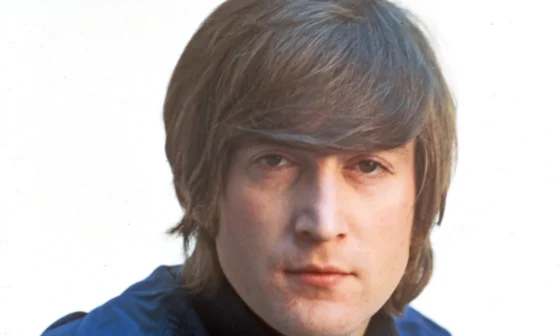
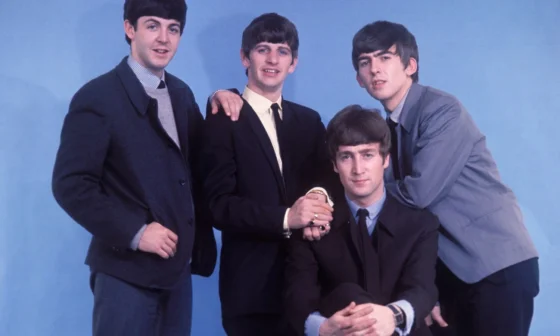
There is nothing outwardly extraordinary about the photograph. Three young men stand outside a modest home in Liverpool, their expressions somewhere between casual and uncertain, their presence blending easily into the everyday life around them. At the time it was taken, there was no sense of history being made—no indication that these figures would one day help redefine popular music. And yet, in hindsight, the image has become something far more significant.
The group, later known as The Beatles, had not yet solidified into the form that would change the cultural landscape. Missing from the frame is Ringo Starr, whose eventual arrival would complete the lineup recognized across the world. Instead, the photograph features John Lennon, Paul McCartney, and George Harrison—three musicians still in the process of becoming something they themselves likely could not yet define.
At this stage, their sound was rooted in imitation. Skiffle rhythms and American rock and roll records shaped their playing, offering a foundation rather than a distinct voice. They were absorbing, experimenting, and searching, much like countless other young bands at the time. Nothing about their music yet hinted at the innovation that would later set them apart.
Each member stood at a different point in that early evolution. Lennon, often remembered as a commanding and fully formed creative force, was still navigating his instincts, not yet refined into the figure later mythologized. McCartney, even then, showed signs of direction and discipline, qualities that would become central to his role in shaping the band’s trajectory. Harrison, the youngest, remained in a phase of quiet development, learning, listening, and gradually carving out his place.
Beyond the individuals, the setting itself tells an equally important story. Liverpool in the early 1960s was not yet synonymous with musical revolution. It was a working port city in recovery, where opportunities were limited and ambition often had to compete with practicality. Music, for many young people, was less a career path and more an outlet—a way to channel energy and imagination in an environment that offered few guarantees.
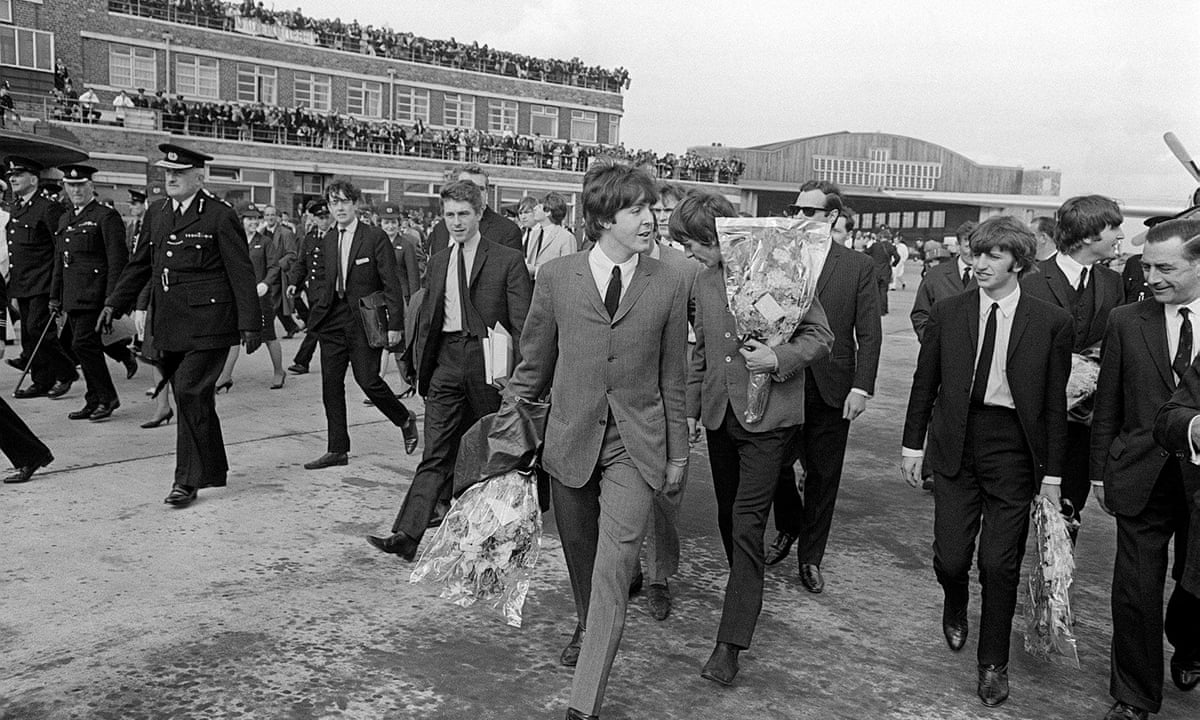
Bands were everywhere. Groups of friends gathered in living rooms, garages, and small venues, playing covers of imported records and dreaming, if only vaguely, of something more. In that sense, this particular group did not stand out. They were part of a larger pattern, one that rarely produced lasting recognition.
What makes the photograph compelling today is not that it captures greatness in its early form, but that it doesn’t. There is no visible sign of the cultural force these young men would become. No dramatic difference separates them from the countless others who followed similar paths and faded into obscurity.
History, however, has a way of reshaping ordinary moments. Once The Beatles rose to global prominence, images like this took on new meaning. They became artifacts—evidence of a beginning that, at the time, looked indistinguishable from everything else.
That is perhaps the most enduring lesson held within the frame. Cultural icons rarely announce themselves at the start. More often, they emerge slowly, shaped by persistence, collaboration, and a series of choices that only gain significance in retrospect.
In this photograph, there is no legend—only the quiet outline of one, still waiting to be formed.