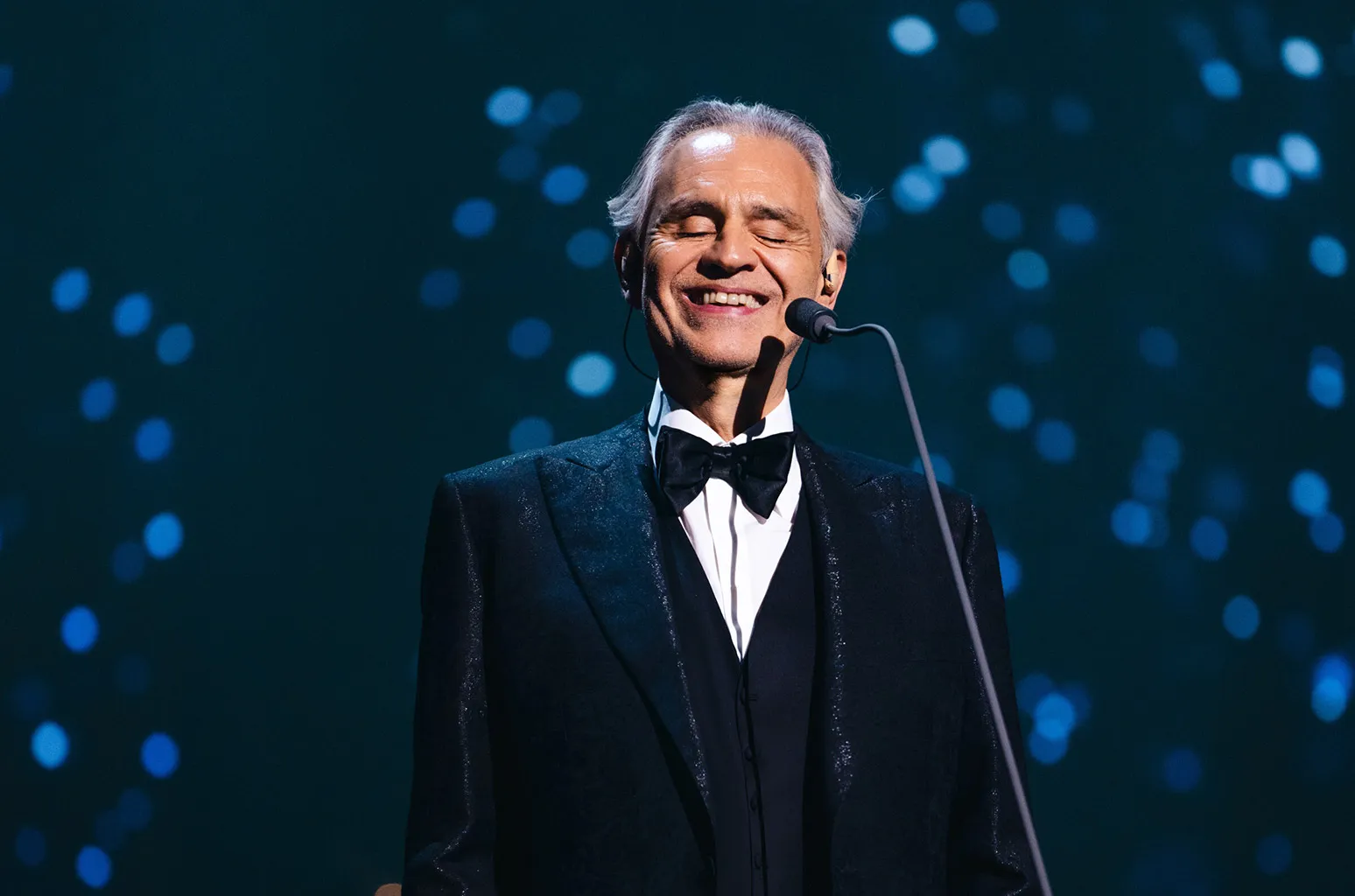
In the world of classical and contemporary crossover music, few names carry as much weight as Andrea Bocelli. His career has become synonymous with emotional performances, global stages, and a voice that transcends language. For his son, Matteo Bocelli, stepping into music has naturally come with both opportunity and pressure.
Recently, a dramatic story has circulated widely online, claiming to reveal a pivotal backstage moment between father and son—one that supposedly changed the course of Matteo’s confidence as a performer. According to these viral posts, Matteo once reached a breaking point before a performance, overwhelmed by fear that his identity on stage would always be overshadowed by his father’s legacy.
:max_bytes(150000):strip_icc():focal(749x0:751x2)/matteo-bocelli-102622-1-baef965f18804c0aa22c427af7910cb5.jpg)
The narrative suggests that he considered stepping away from the spotlight altogether, convinced that audiences would never hear him as an individual artist. It is at this point, the story claims, that Andrea Bocelli intervened backstage with a short, deeply personal message—described online as “14 words” that helped him overcome doubt.
However, it is important to note that the exact wording of this alleged exchange has never been publicly confirmed by either Andrea or Matteo Bocelli. The details appear to originate from social media retellings and fan interpretations rather than verified interviews or official accounts.
What makes the story resonate so strongly is not necessarily its factual certainty, but its emotional symbolism. The idea of a young artist struggling under the weight of expectation, and a parent offering quiet reassurance, is a narrative that many find relatable—especially in families where talent and legacy are closely intertwined.
In reality, Matteo Bocelli has spoken in interviews about growing up surrounded by music and gradually finding his own artistic identity. Rather than a single defining moment, his development as a performer has been shaped by years of training, collaboration, and gradual exposure to the stage alongside his father.
Andrea Bocelli, meanwhile, has often emphasized support and guidance rather than pressure when discussing his children’s paths in music. Their public performances together reflect not a dramatic turning point, but an ongoing musical relationship built over time.
Still, stories like this continue to spread because they capture something emotionally compelling: the tension between legacy and individuality, and the universal experience of self-doubt before stepping into the spotlight.
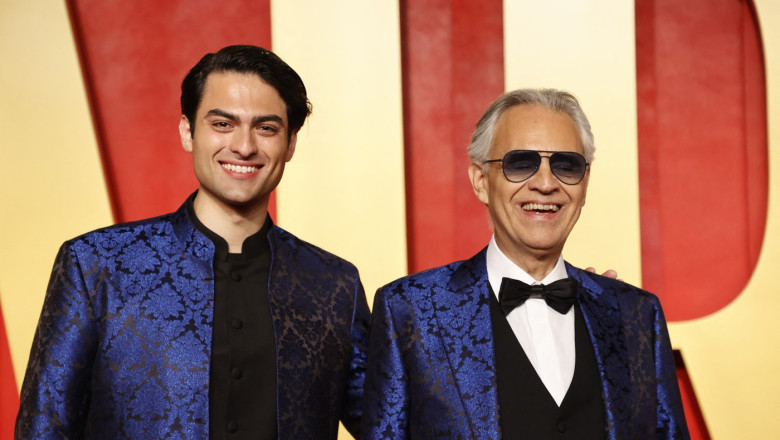
Whether taken as fact or as modern musical folklore, the narrative highlights how deeply audiences connect with the Bocelli family—not only for their voices, but for the human emotions projected onto their journey.
In the end, the most lasting truth may not be the exact words spoken backstage, but the broader reality they represent: that even those born into extraordinary talent still face ordinary moments of fear, uncertainty, and the need for encouragement