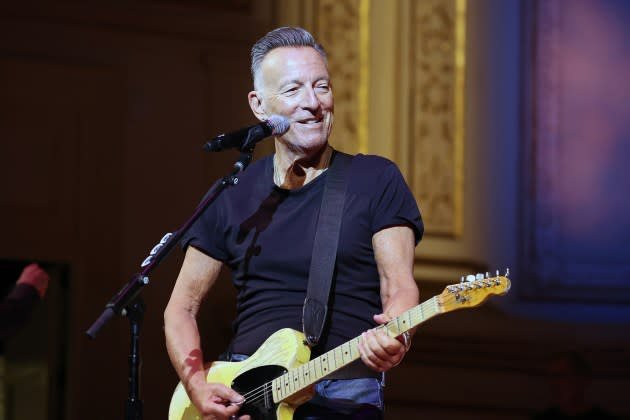
For decades, Bruce Springsteen has built his music around the lives of ordinary people. His songs have explored factory towns, working-class struggles, hope, disappointment, and the complicated relationship many Americans have with their country. So when Springsteen speaks about politics, fans often see it as a continuation of themes that have always existed in his work rather than a sudden shift.
Now, as he prepares for a new tour expected to carry a stronger political message, Springsteen is once again making headlines for his outspoken criticism of Donald Trump and the direction of the country. But the legendary performer insists that speaking against a political figure should not be confused with rejecting America itself.

According to Springsteen, his criticism comes from a place of concern and love for the nation, not hostility toward it. He has openly acknowledged that many people may disagree with his views, but he says he is not worried about alienating fans because honesty has always been central to his music and public voice.
That approach has become part of Springsteen’s identity throughout his career. While many artists avoid political controversy in fear of backlash, Springsteen has consistently tied his work to social and cultural issues affecting American life. Songs such as “Born in the U.S.A.” and “The Rising” became larger than entertainment because listeners connected with the emotions and realities behind them.

Over the years, Springsteen has spoken about economic inequality, war, patriotism, race, and national division. His latest comments suggest that his upcoming tour will continue that tradition in an even more direct way.
In interviews discussing the tour, Springsteen explained that the performances will be “political and very topical about what’s going on in the country.” That statement immediately sparked conversation online, with supporters praising him for using his platform honestly while critics accused him of becoming too political.
Still, fans familiar with his catalog argue that politics has always been woven into Springsteen’s music. To them, this new chapter simply reflects the current state of the country and the artist’s willingness to engage with it publicly.
The debate also highlights a larger question surrounding musicians and political expression. Some listeners believe artists should remain neutral and focus only on entertainment. Others argue that musicians have always played an important role in reflecting social tensions and encouraging public conversation.
Springsteen clearly falls into the second category.
At 76, he remains one of the few major rock artists willing to address political issues directly in front of massive audiences. Yet even with the controversy surrounding modern politics, his message appears less focused on division and more centered on accountability, democracy, and the future of the country he has spent decades writing about.
For many supporters, that distinction matters.
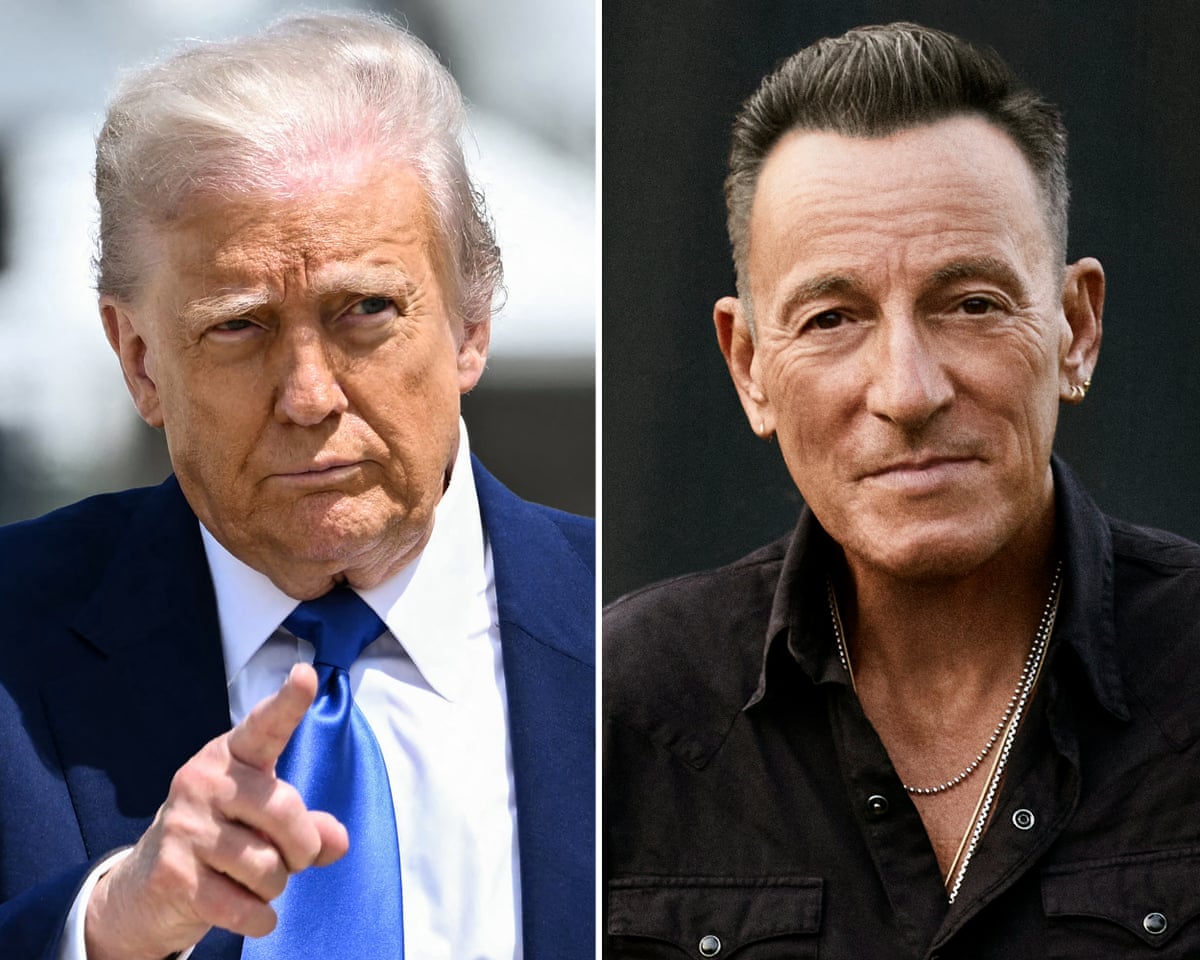
To them, criticizing political leadership is not the same as rejecting America. In Springsteen’s view, challenging the country to improve may actually be one of the most patriotic acts an artist can make.
As anticipation builds around the upcoming tour, audiences are preparing for more than just a concert. They are expecting a performance shaped by the same passion, conviction, and social awareness that have defined Bruce Springsteen’s music for generations.