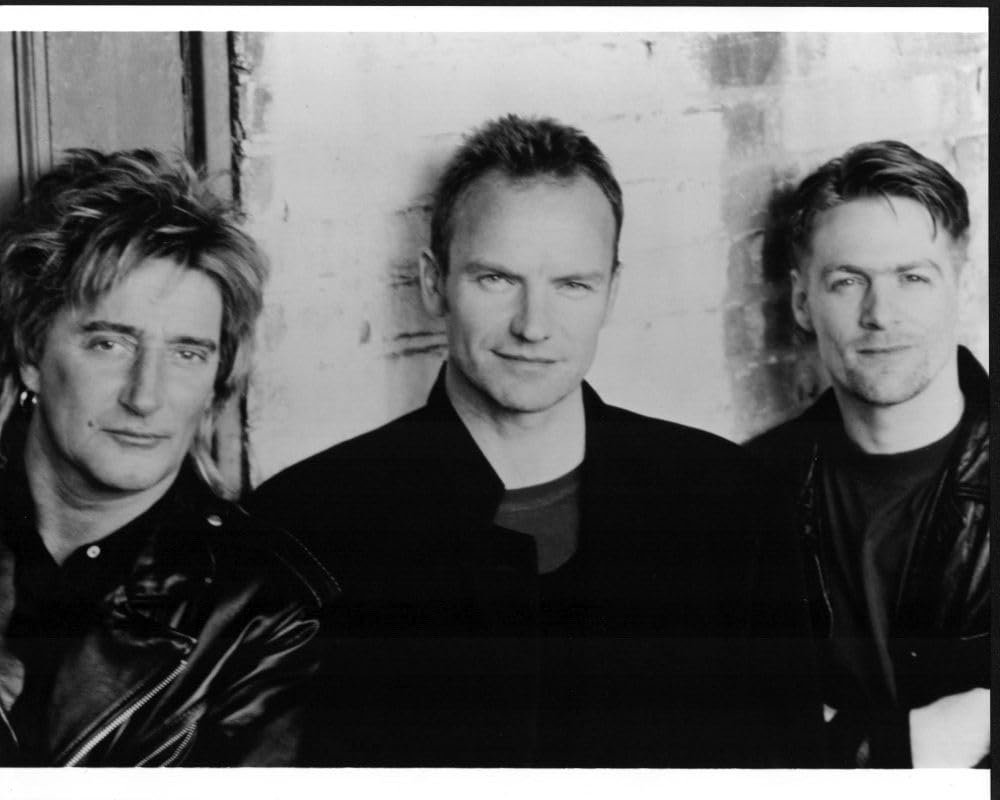
“All for Love” is an iconic power ballad performed by Bryan Adams, Rod Stewart, and Sting, released in 1993. The song was written for the soundtrack of the film The Three Musketeers and became a massive hit, reaching number one on the Billboard Hot 100 in the United States and topping the charts in various other countries. Co-written by Adams, Michael Kamen, and Robert John “Mutt” Lange, “All for Love” is a grand anthem that blends the talents of three music legends, each bringing their unique style to a song that celebrates loyalty, friendship, and love.
Lyrical Themes
Lyrically, “All for Love” is a declaration of unwavering commitment and unity, drawing inspiration from the famous The Three Musketeers motto: “All for one and one for all.” The song’s message revolves around standing together through thick and thin, both in love and in friendship. The chorus, “Let’s make it all for one and all for love,” reinforces the idea of shared devotion and solidarity. It’s a message of loyalty, where love becomes the binding force that connects and strengthens relationships.
The lyrics reflect themes of sacrifice, dedication, and trust, celebrating the idea that love—whether romantic or platonic—requires people to stand by one another and face challenges together. The song is both uplifting and emotional, making it a perfect fit for the adventurous, heroic themes of The Three Musketeers film, where camaraderie and loyalty are central to the story.

Musical Composition
Musically, “All for Love” is a powerful blend of rock and orchestral elements, with sweeping melodies and dramatic instrumentation. The song opens with soft acoustic guitar strumming, accompanied by gentle piano, before building into a powerful, soaring ballad. The song’s orchestration, arranged by Michael Kamen, adds an epic, cinematic quality that complements its message of unity and love.
Bryan Adams, Rod Stewart, and Sting each take turns delivering lead vocals, with their distinct voices creating a rich and dynamic interplay. Adams’ raw, gravelly voice sets the emotional tone, while Stewart’s raspy delivery adds a soulful edge. Sting’s smoother, more controlled vocals provide balance, adding a layer of sophistication to the song’s overall texture. The combination of their voices creates a harmonious blend that elevates the song’s message of solidarity.
The chorus is anthemic, with all three singers coming together to deliver the song’s central message with emotional intensity and passion. The balance between the soft verses and the powerful, soaring chorus gives the track a sense of progression and drama, making it a quintessential 1990s power ballad.
Commercial Success and Legacy
“All for Love” was a commercial triumph, topping the Billboard Hot 100 for three weeks in the United States and reaching the top of the charts in multiple countries, including Canada, Australia, and several European nations. Its success was driven by the star power of Adams, Stewart, and Sting, as well as the song’s universal message of love and loyalty.
Beyond its commercial success, the song has endured as a classic power ballad, known for its grand scale and emotional resonance. The collaboration between three of rock’s most distinctive voices was a key factor in its appeal, as it showcased their individual strengths while creating a unified sound.
“All for Love” has also become a popular song for significant life events, from weddings to tributes, due to its uplifting message of love and commitment. It remains a fan favorite and a staple in Bryan Adams’ live performances.
Conclusion
“All for Love” is a timeless power ballad that brings together three legendary artists to deliver a message of love, loyalty, and unity. With its powerful vocals, sweeping orchestration, and emotionally resonant lyrics, the song captures the spirit of standing together for love and friendship. Its success in the 1990s cemented it as a classic of the era, and it continues to be remembered as one of the most iconic collaborations in rock music history.