Concertgoers attending a recent show by Celtic Thunder expected an evening filled with powerful vocals and stirring Irish music. What they didn’t expect was a moment when the band itself would suddenly take center stage—transforming the performance into an electrifying musical celebration.
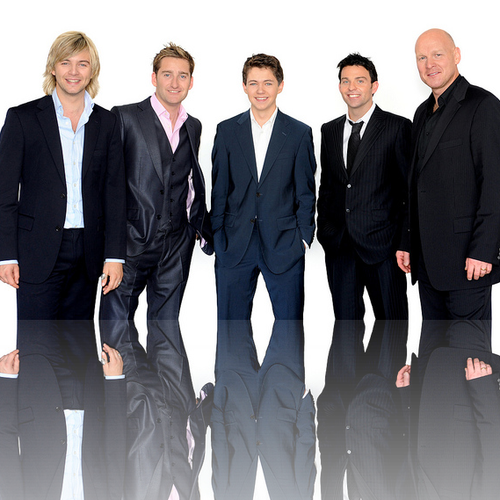
The surprise came during the group’s spirited rendition of the traditional folk song Raggle Taggle Gypsy. Known for its lively storytelling and irresistible rhythm, the song has long been a favorite in Irish and Celtic folk traditions. But on this particular night, Celtic Thunder added an extra twist that delighted the crowd.
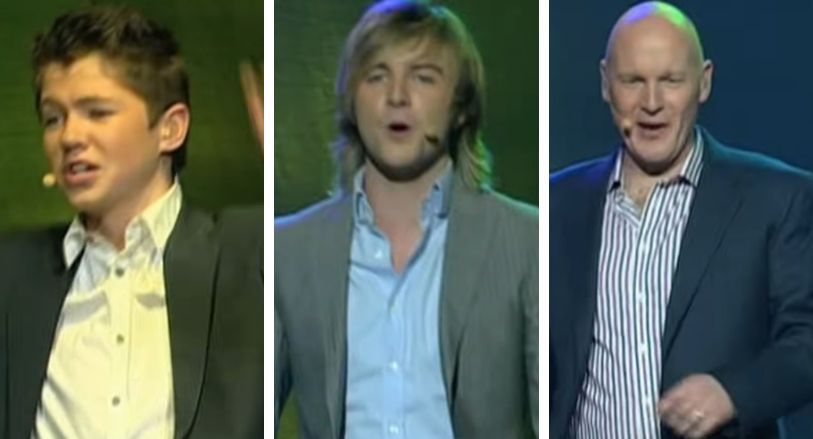
As the song built momentum, the focus shifted away from the singers and toward the instrumentalists behind them. One by one, the band members stepped forward musically, turning the performance into a vibrant instrumental showcase. Fiddles, guitars, percussion, and other instruments blended together in a burst of sound that filled the venue with energy.
The effect was immediate.
The audience, already engaged with the familiar folk tune, responded with excitement as the instrumental section expanded. Many began clapping in rhythm, while others swayed along with the music. The performance suddenly felt less like a traditional concert moment and more like a shared celebration between the musicians and the crowd.
Moments like this highlight an often overlooked part of Celtic Thunder’s performances—the exceptional musicians who accompany the singers. While the vocalists are typically the focal point, the band plays a crucial role in shaping the group’s distinctive sound, blending traditional Celtic influences with modern arrangements.
Giving the band the spotlight during “Raggle Taggle Gypsy” allowed those talents to shine.
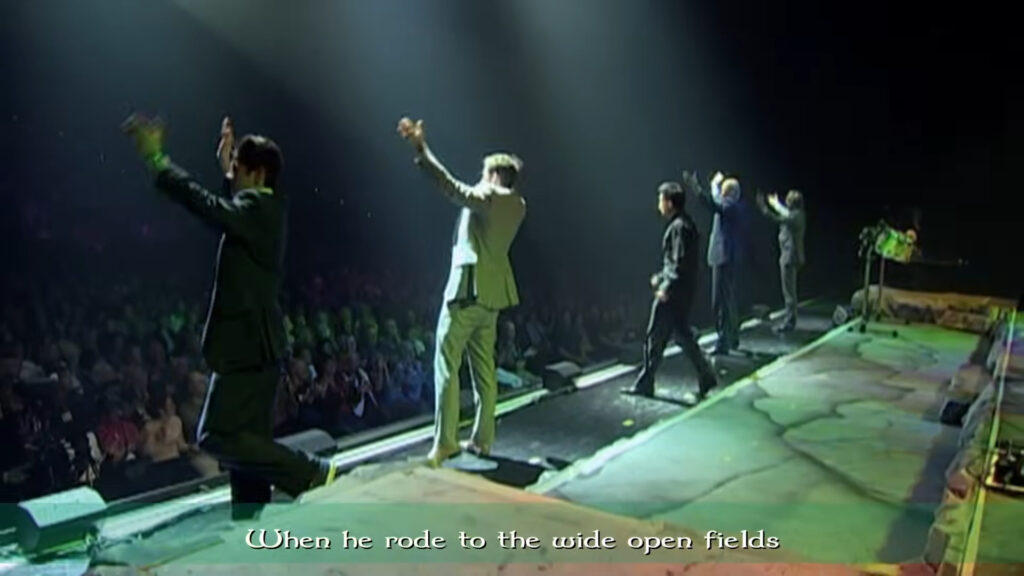
The song itself has a long and fascinating history. “Raggle Taggle Gypsy” tells the story of a noblewoman who leaves her comfortable life to run away with a group of wandering gypsies. The tale, which has been passed down through generations, appears in various versions across Britain and Ireland. Its lively melody and dramatic narrative make it a natural fit for energetic stage performances.
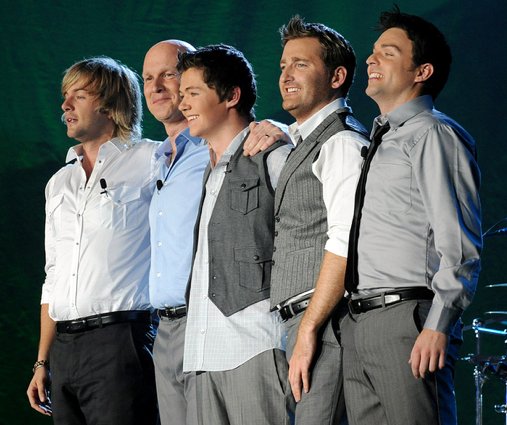
Celtic Thunder’s interpretation embraces that spirit of adventure. The arrangement moves quickly, building excitement as the story unfolds. By expanding the instrumental sections, the group gives the music room to breathe and lets the audience feel the driving pulse of the tune.
Fans often say that Celtic music truly comes alive in moments like these—when the rhythm invites participation and the crowd becomes part of the experience.
That’s exactly what happened during this performance.
By the time the instrumental break reached its peak, the atmosphere in the venue had shifted completely. The audience was fully engaged, clapping and cheering as the band pushed the song’s energy even higher. When the vocals returned, the crowd’s enthusiasm carried through the rest of the number.
For longtime followers of Celtic Thunder, the moment served as a reminder that the group’s magic doesn’t come from vocals alone. It’s the combination of strong singing, skilled musicianship, and a deep connection to Celtic musical traditions that makes their concerts memorable.
And sometimes, all it takes is giving the band a chance to lead the charge. 🎻👏