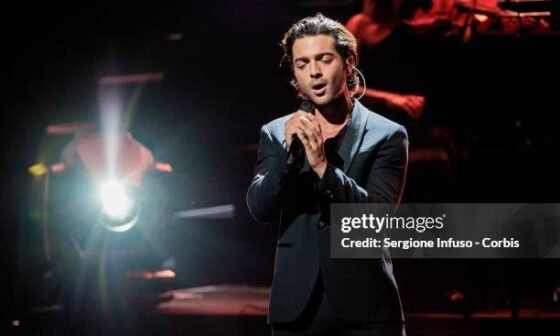
Every successful group has a beginning, but few origin stories are as unexpected as that of Il Volo. Today, Piero Barone, Ignazio Boschetto, and Gianluca Ginoble are recognized around the world for their distinctive blend of classical and contemporary music. Their concerts fill theaters and arenas, and their performances have introduced millions of listeners to the beauty of classical crossover. Yet their journey began with three teenagers who had never planned to perform together.
In 2009, each of the future members of Il Volo appeared as an individual contestant on the Italian television talent show Ti Lascio una Canzone. Each arrived with the same goal: to share his voice and pursue a dream of a career in music. At the time, none of them knew that the competition would become the turning point that would define their future.
During the program, the show’s creators recognized something unique. While each singer possessed impressive vocal talent on his own, there was something even more remarkable when their voices were combined. Rather than continuing as individual competitors, Piero, Ignazio, and Gianluca were invited to perform together.
The result was immediate. Their voices complemented one another naturally, blending youthful energy with impressive vocal control and creating harmonies that felt effortless. What began as an experiment quickly revealed the potential for something much bigger than a television performance.
That moment marked the birth of Il Volo.
Following the program, the trio continued performing together, developing a musical identity that combined opera, pop, and traditional Italian music. Their distinctive sound helped them stand out from other young performers, attracting attention not only in Italy but also from audiences abroad. Their ability to balance classical technique with accessible contemporary arrangements introduced a new generation of listeners to music inspired by operatic traditions.
As their reputation grew, so did the opportunities before them. International concerts, television appearances, and recordings allowed Il Volo to reach audiences across Europe, North America, Latin America, and beyond. Along the way, they earned a loyal following drawn not only to their vocal ability but also to the genuine friendship that has remained at the heart of the group since its earliest days.
More than fifteen years after their formation, that bond continues to be one of Il Volo’s greatest strengths. On stage, the trust and respect they share are evident in every performance. Each member brings a unique vocal color and personality, yet their voices come together with a balance that has become their signature.

Another defining characteristic of Il Volo’s career has been their dedication to preserving and celebrating Italy’s rich musical heritage. Whether performing beloved Italian classics, opera-inspired repertoire, or original songs, they approach every performance with respect for the traditions that influenced them while making the music accessible to audiences around the world.
Their story also serves as a reminder that success often comes from embracing unexpected opportunities. None of the three singers entered the talent show expecting to become part of a trio. Instead, they trusted the process, discovered the strength of their combined voices, and began a journey that would take them far beyond what any of them could have imagined.
Today, Il Volo continues to perform for audiences across the globe, proving that talent, dedication, and collaboration can create something truly enduring. From a single television stage in Italy to some of the world’s most prestigious concert venues, their journey reflects the power of music to bring people together.

Looking back, it is remarkable to think that one decision—to unite three young solo singers—sparked the beginning of a group whose music continues to inspire fans across generations. Sometimes, the greatest stories do not begin with a carefully planned path. Sometimes, they begin with three voices discovering they were always stronger together.