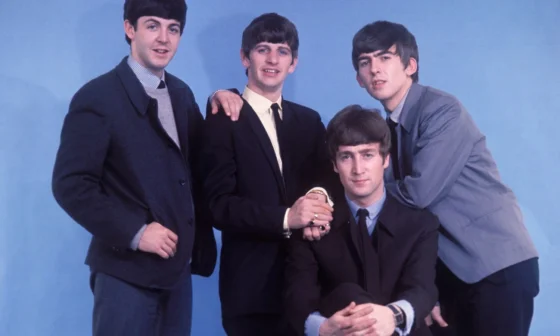
Within the story of The Beatles, certain voices seemed to rise effortlessly above the rest. Yet standing just to the side was George Harrison—the so-called “Quiet Beatle”—whose contributions were no less vital, even if they were often less heard.
In the early years, Harrison’s role was clear but limited. As the youngest member of the band, he was surrounded by towering creative forces, particularly the prolific songwriting partnership that dominated much of their output. While the spotlight naturally gravitated elsewhere, Harrison observed, absorbed, and waited. His silence wasn’t emptiness—it was patience.
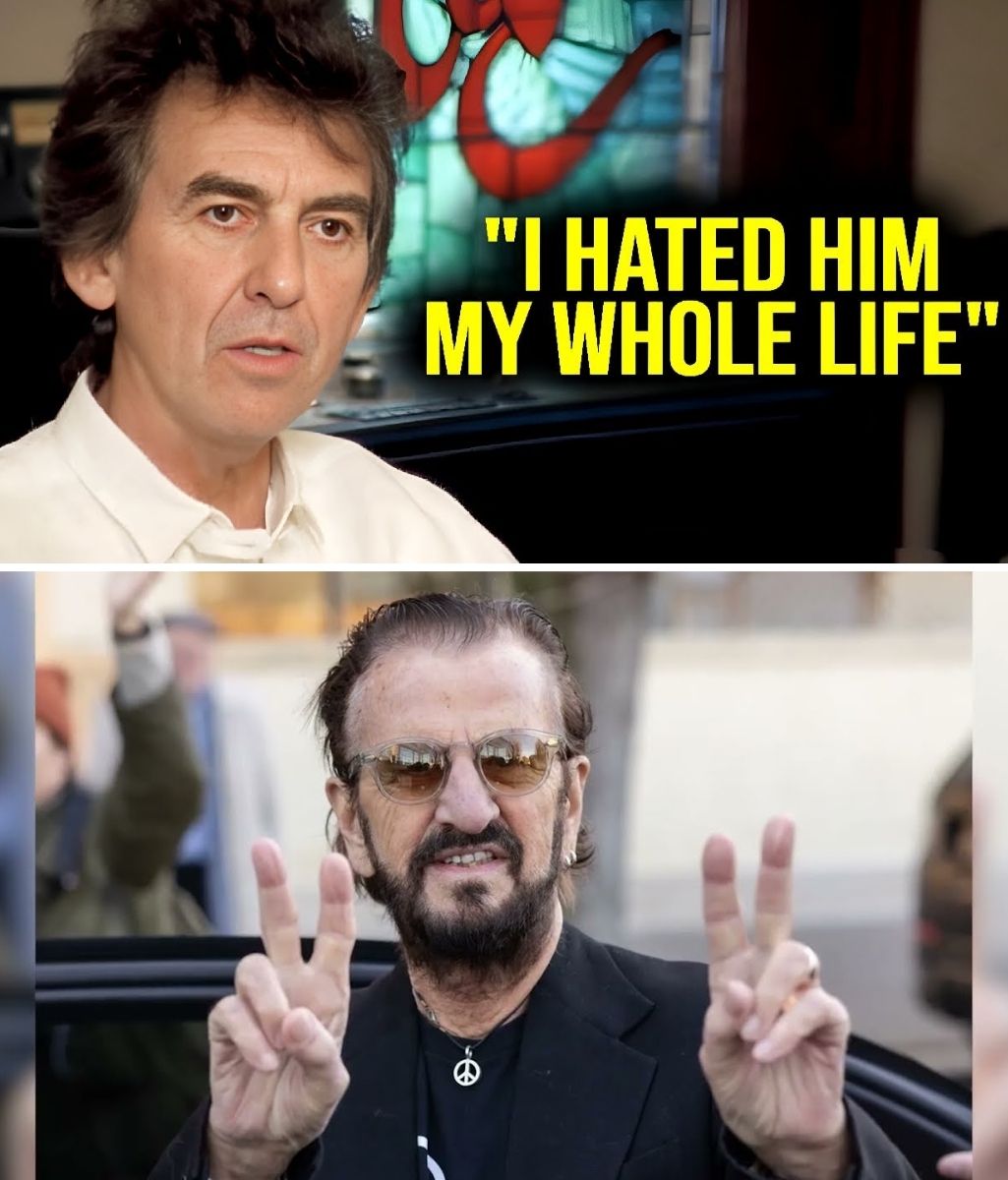
But patience, over time, can become something heavier.
As The Beatles evolved, so did Harrison’s musical voice. He wasn’t just keeping up; he was growing in ways that pushed beyond the band’s original boundaries. Drawing from influences outside the typical rock framework, he brought new textures and ideas into their sound. Yet even as his songwriting matured, space for his work remained limited. Album after album, only a small number of his compositions made the final cut.
There was no public outburst, no dramatic rebellion. Instead, there was accumulation—a quiet stacking of moments where his voice felt secondary. That sense of being unheard didn’t erupt into anger; it settled inward, shaping his perspective and deepening his introspection.
And yet, that inner tension became a source of something powerful.
By the later years of the band, Harrison’s songwriting had taken on a distinct emotional and spiritual depth. Songs carried a sense of searching—questions about meaning, identity, and connection that reached far beyond fame or success. While others wrote about love and life in immediate terms, Harrison often seemed to be looking for something more enduring.
When The Beatles eventually came to an end, it marked not just the breakup of a band, but a turning point for Harrison himself. Freed from the constraints that had quietly frustrated him, he stepped into his own creative space with clarity and purpose. It was as though years of being held back had given him something to release.
What followed was not bitterness, but expansion.
Harrison’s solo work revealed the full scope of his artistry—layered, reflective, and deeply personal. He embraced themes of spirituality and inner peace, drawing from philosophies that had long influenced him. This wasn’t a reinvention so much as a continuation of what had always been there, finally given room to breathe.
For fans, this journey has always carried a particular emotional weight. There’s something deeply human about his story—the idea of someone who doesn’t demand attention, who doesn’t fight loudly to be heard, but who continues to create with honesty regardless. His path wasn’t defined by confrontation, but by persistence.
Even now, decades later, Harrison’s legacy resonates in a unique way. It’s not just about the music itself, but about what it represents: the quiet endurance of someone who stayed true to his voice, even when it wasn’t the loudest in the room.
In the end, George Harrison didn’t need to compete for space. He simply waited until the world was ready to listen—and when it did, it found something lasting, something sincere, and something deeply at peace.