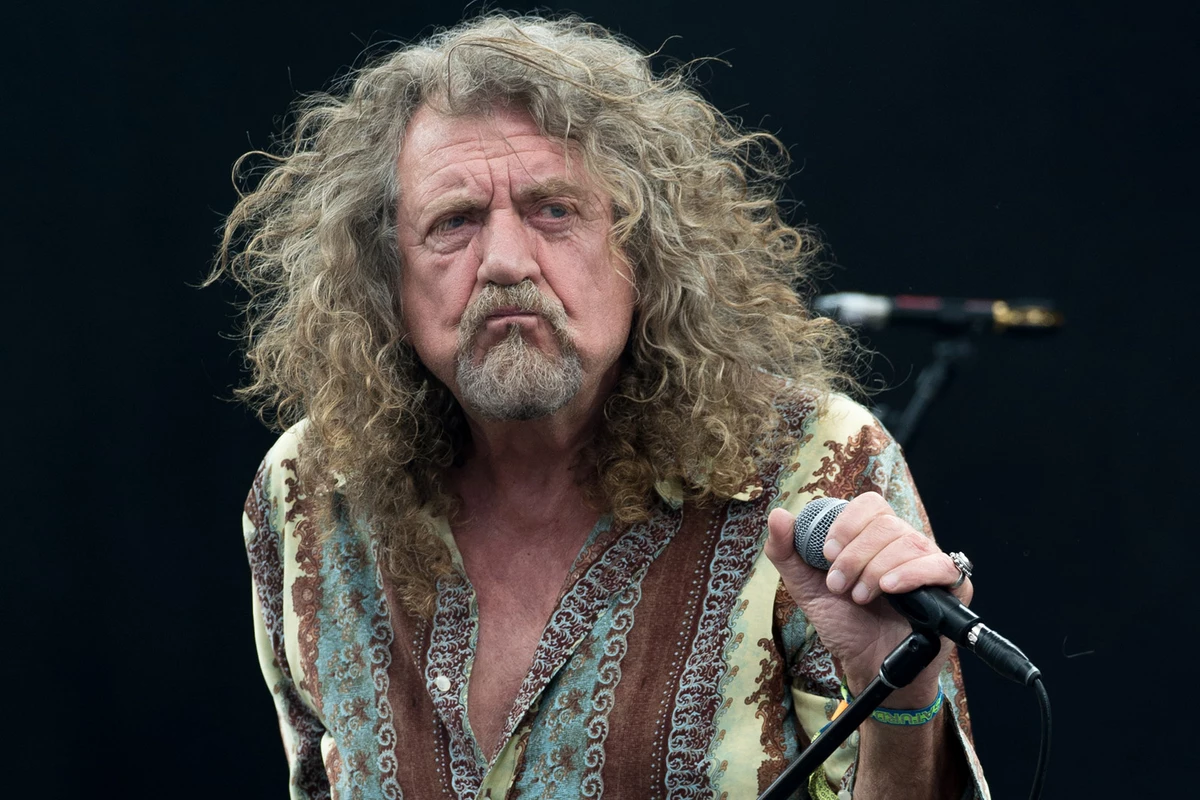
“HE REWROTE ROCK HISTORY — AT 77.” When Robert Plant Stepped Onto The Stage, The Crowd Expected Nostalgia. What They Got Instead Was Reinvention. With His Band Saving Grace, The Legendary Led Zeppelin Frontman Turned The Thunder Of “Black Dog” Into A Whisper — A Soulful, Bluegrass Rebirth That Left Fans In Tears. “I’ve Never Heard Anything So Raw… It’s Like Time Itself Paused,” One Viewer Wrote. Another Simply Said, “This Isn’t A Cover — It’s A Resurrection.” Gone Were The Screaming Guitars And Roaring Drums — Replaced By Warm Strings, Bare Emotion, And The Voice Of A Man Who Has Lived Every Word He Sings. When Plant Closed His Eyes Mid-Performance, His Trembling Voice Carried Decades Of Memory, Love, And Loss.

Robert

Watch: 77-Year-Old Rock Legend Robert Plant Stuns Fans With a Modern Take on a Classic Led Zeppelin Hit
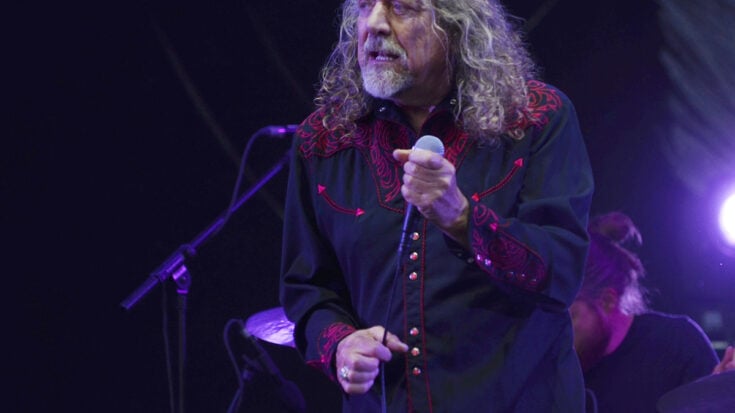
Robert Plant and The Sensational Space Shifters delivered a vibrant set in 2016.

A Classic Reimagined

Few albums have shaped rock music quite like Led Zeppelin IV. Despite what critics might say about it being overpraised, its influence remains undeniable. The 1971 record fused traditional folk with thunderous hard rock, setting a new direction for the genre. Among its legendary tracks — from “Stairway to Heaven” to “When the Levee Breaks” — stands “Black Dog,” a song that showcased Robert Plant’s soaring voice and the band’s powerful interplay.

Now, over five decades later, Plant has given the hit a fresh life. Performing with his new bluegrass group, Saving Grace, the 77-year-old singer delivered a stripped-down version of “Black Dog” that left audiences amazed. The performance traded the roaring guitars for a gentler, rootsy sound — yet the energy and emotion were still unmistakable.

“I adore any artistic twist on a classic,” one fan commented. Another praised the approach, saying, “This is how it should be done,” referring to how veteran rockers can honor their past without simply repeating it. One more added, “He’s a living legend, he can do whatever the hell he wants.”

Plant has long made it clear why he doesn’t try to replicate his 1970s performances. Beyond the natural changes in his voice, he sees those moments as tied to a specific era — one that can’t truly be relived. After drummer John Bonham’s death in 1980, Plant felt the band could never exist in the same way again.

“There’s absolutely no point. No point at all,” Plant told Classic Rock in his first post-Zeppelin interview in 1982. “There’s certain people you don’t do without in life… You don’t keep things going for the sake of it. There’s no functional purpose for keeping things going. For whose convenience? Nobody’s, really.”

Though Led Zeppelin briefly reunited a few times after Bonham’s passing, Plant and the surviving members later described those attempts as “disastrous.” Instead, Plant chose to reinterpret the music on his own terms — and the recent performance of “Black Dog” perfectly reflects that philosophy.

Keep going for the video below:

The Story Behind “Black Dog”

Interestingly, the song’s title came from an unlikely source — a friendly black labrador. While recording Led Zeppelin IV at Headley Grange, the band noticed the dog wandering around the studio and named their new track in his honor.

The song also stands out musically. Unlike many of the band’s biggest riffs, “Black Dog” wasn’t written by Jimmy Page. Bassist John Paul Jones composed it, drawing inspiration from Fleetwood Mac’s “Oh Well” and Muddy Waters’ Electric Mud.

0 Shares:
Leave a Reply

Your email address will not be published. Required fields are marked *

You May Also Like
Loretta Lynn’s Granddaughter & Willie Nelson’s Son
Read More

“A FEMINIST ICON WITHOUT A SLOGAN” — Loretta Lynn Loretta Lynn never walked onstage waving a banner or naming a movement. She didn’t preach. She didn’t explain herself. And that’s exactly what made her dangerous. Instead, she sang the things women were expected to swallow—exhaustion after childbirth, fury inside marriage, the quiet hunger to choose, to refuse, to speak without apology. In a genre that preferred women as shadows, Loretta stepped forward and sang one unpolished truth: this is my life. Some say radio stations flinched. Others swear audiences leaned closer. Loretta didn’t teach women how to be brave—she gave them permission to be honest. No slogans. No speeches. So what was it, exactly, that she dared to say—long before anyone else was willing to say it out loud?

“A FEMINIST ICON WITHOUT A SLOGAN” — Loretta Lynn She Never Asked to Lead a Movement Loretta Lynn never…
John Lennon
Read More

This John Lennon Performance Was Buried for Decades — Filmed Quietly, Left to Fade in Forgotten Archives, and Rarely Spoken About, the Unguarded Moment Shows Lennon at His Most Exposed and Unsettled, Standing at the Edge of the Beatles Era and Something Far More Dangerous, Revealing a Side of Him That Didn’t Fit the Myth, Made People Uncomfortable, and Explains Why Almost No One Wanted This Footage Resurfacing Until Now

The Performance No One Promoted — And the Moment John Lennon Quietly Redefined Himself There are Beatles performances…
paul
Read More

When Paul McCartney Looked Back, He Saw the Man Who Made the Beatles Possible — A Heartfelt, Soul-Stirring Tribute to George Martin, the Quiet Genius Who Took Four Wild Liverpool Kids by the Hand, Turned Their Chaos Into Harmony, Shaped Their Dreams Into History, and Became the Only Person Paul Ever Described as ‘the One I Am Proud To Have Walked Beside’ — a final acknowledgment of the mentor, the guardian, and the unseen Fifth Beatle whose brilliance echoes in every chord that changed the world.

Paul McCartney’s touching tribute to George Martin: “I am proud” When the Beatles first became famous in 1963,…