Long before P!nk became known for her arena tours, powerful vocals, and fearless personality, she faced a challenge familiar to many young artists entering the music industry: deciding how much of herself she was willing to compromise in pursuit of success.
When she first signed a record deal, the music business had a clear formula for creating pop stars. Record labels often developed carefully planned images, selecting everything from hairstyles and clothing to the way artists were expected to present themselves in interviews and performances. For many newcomers, following that formula seemed like the safest path to building a career.
P!nk, however, quickly discovered that she wanted something different.

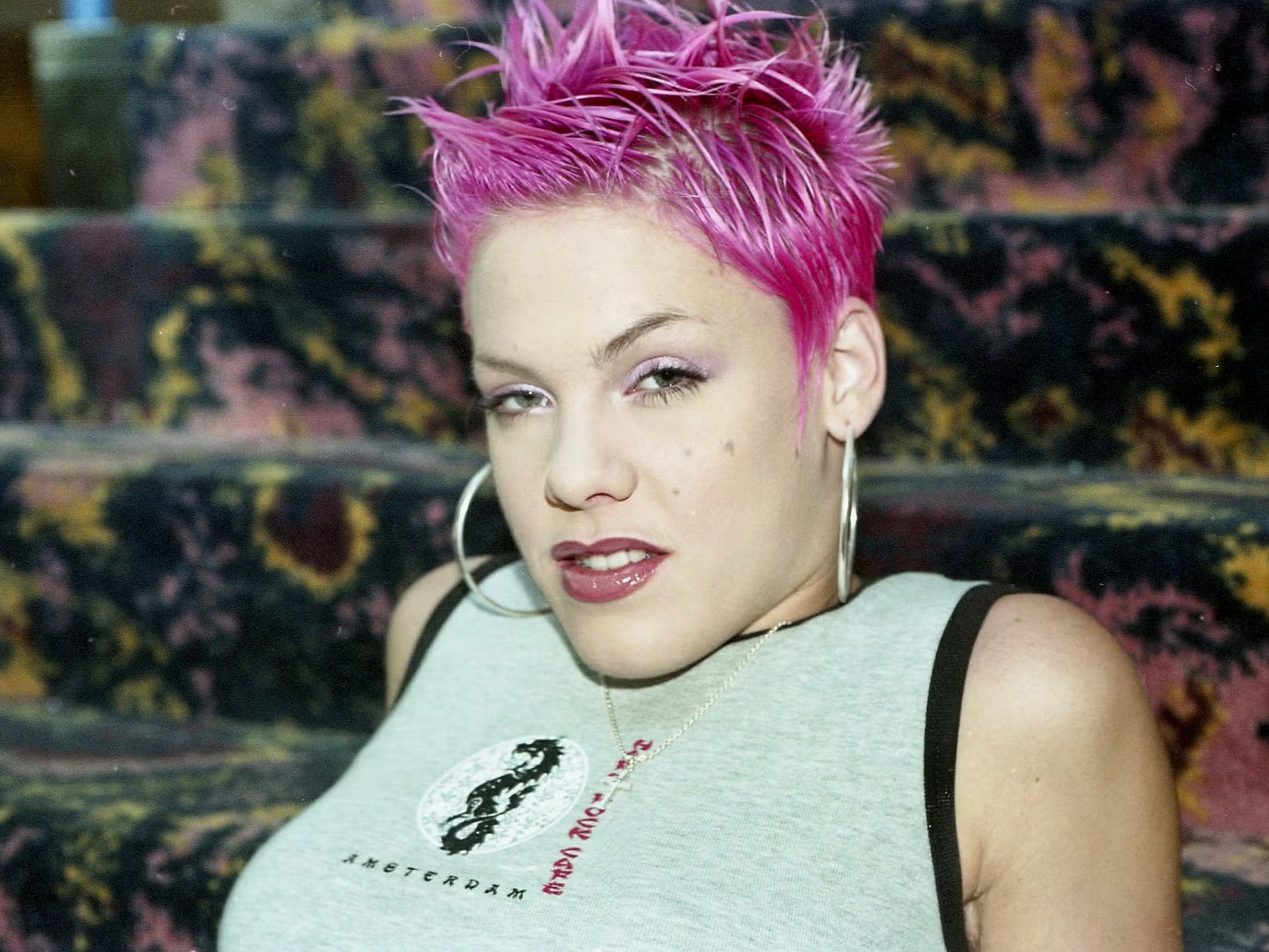
Although her bright pink hair eventually became one of her most recognizable trademarks, she has consistently explained that her identity was never simply the result of marketing. Instead, her style reflected a desire to express herself honestly rather than fit into someone else’s vision of who she should become.
That determination would shape far more than her appearance. It influenced the music she recorded, the messages she shared, and the reputation she built over the years as an artist unafraid to challenge expectations.
In the early stages of her career, there was understandable pressure to appeal to mainstream audiences. The pop landscape was highly competitive, and record companies naturally wanted artists who could reach as many listeners as possible. But P!nk gradually established a path that balanced commercial success with creative independence, refusing to let her public image define every aspect of her work.
Fans responded because the authenticity felt genuine. While trends changed and musical styles evolved, her commitment to being herself remained remarkably consistent. Whether performing energetic pop anthems, emotional ballads, or rock-influenced tracks, she maintained a voice and personality that audiences recognized as unmistakably her own.
Over time, the pink hair became more than a memorable visual feature. It came to represent confidence, individuality, and the willingness to stand apart from expectations. For many fans, it symbolized the idea that personal identity should never be sacrificed simply to fit into someone else’s definition of success.
That message has remained relevant throughout her career. P!nk has frequently spoken about the importance of self-acceptance, encouraging people to embrace their differences instead of hiding them. Her concerts, interviews, and music often reinforce the belief that authenticity creates a stronger connection than perfection ever could.
The entertainment industry has changed significantly since her debut, with artists now enjoying more opportunities to communicate directly with fans through social media and other platforms. Yet the tension between commercial expectations and personal expression still exists, making P!nk’s story resonate with a new generation of performers and listeners alike.

Looking back, it is easy to see why her early choices continue to attract attention. What seemed like a bold hairstyle was never the entire story. It was simply one visible expression of a much larger commitment to remaining true to herself, even when the easier path might have been to conform.
Today, P!nk’s career stands as a reminder that lasting success is built on more than image alone. Trends come and go, but authenticity has a way of enduring. Her signature look may have introduced her to millions of people, but it was her determination to protect her identity—and let it guide her music—that transformed a rising artist into one of pop’s most respected and recognizable voices.