
Some songs enjoy success for a season. Others become part of musical history, continuing to inspire audiences long after they were first released. “Volare” belongs firmly in the second category. With its soaring melody and uplifting spirit, the song has crossed generations, languages, and cultures, becoming one of the most recognizable pieces of popular music ever written.
The story of “Volare,” officially titled “Nel blu, dipinto di blu,” began with a moment of inspiration that few could have predicted would lead to worldwide acclaim. Written by Domenico Modugno and Franco Migliacci, the song introduced listeners to a dreamlike world of freedom and possibility. Its opening lines and unforgettable chorus painted vivid images of flying through a bright blue sky, creating an emotional experience that audiences immediately embraced.

When Domenico Modugno performed the song at the 1958 Sanremo Music Festival, it quickly stood apart from the competition. His energetic stage presence, highlighted by his now-famous outstretched arms, brought the lyrics to life in a way that felt fresh and exciting. The performance helped propel the song to victory at the festival and introduced Italy to what would soon become an international phenomenon.
The success did not stop there. As “Volare” reached audiences around the world, it climbed music charts in multiple countries and became especially popular in the United States. Its universal message and memorable melody allowed listeners from different backgrounds to connect with it, even if they did not speak Italian. Few songs have managed to achieve that kind of global reach while remaining true to their original language.
One of the most remarkable chapters in the song’s history came at the very first Grammy Awards in 1959. “Volare” achieved a rare distinction by winning both Record of the Year and Song of the Year, an extraordinary accomplishment that cemented its place in Grammy history. Those honors recognized not only its commercial success but also its artistic impact, proving that music can transcend borders when it speaks to universal emotions.
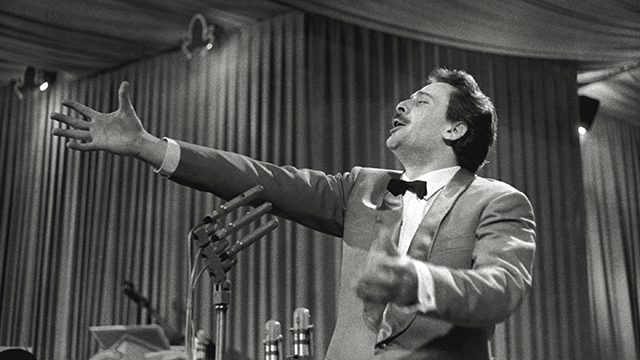
Over the decades, countless artists have recorded their own versions of “Volare,” introducing it to new audiences while preserving its timeless charm. From orchestral arrangements to pop interpretations and live concert performances, each rendition has reflected the song’s remarkable versatility. Yet no matter how it is performed, the heart of the composition remains unchanged—a joyful celebration of imagination, hope, and the feeling of limitless possibility.
Today, “Volare” continues to be a favorite at concerts, celebrations, and special events around the world. It reminds listeners of an era when melody and emotion came together to create something unforgettable, while also proving that truly great songs never lose their ability to connect with people.
What began as a simple creative spark ultimately became a musical landmark. More than six decades after its debut, “Volare” still inspires audiences to sing along, smile, and dream a little bigger. Its journey from a moment of inspiration to a Grammy-winning classic stands as a testament to the enduring power of music and the extraordinary legacy of a song that continues to soar.