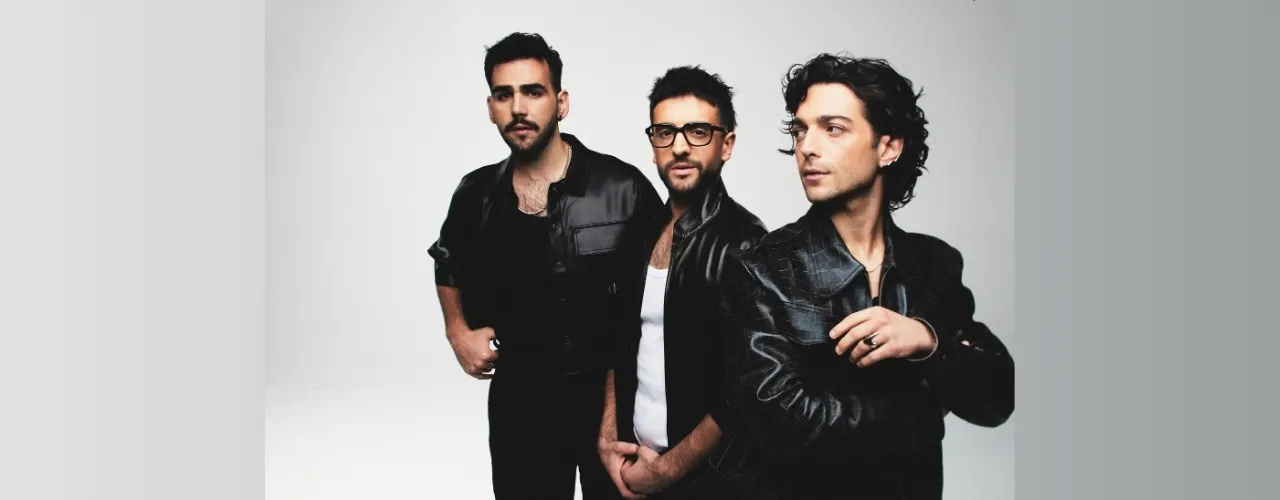

When the Italian vocal trio Il Volo takes on a classic song, audiences often expect soaring vocals and a grand, emotional interpretation. Their recent performance of Delilah, the famous hit associated with Tom Jones, delivered exactly that—but it also reignited a conversation about the song’s intense narrative and unusual place in pop music history.
Originally released in 1967, “Delilah” quickly became one of Tom Jones’s most recognizable songs. Its dramatic melody, powerful chorus, and theatrical storytelling helped it stand out during an era filled with memorable pop hits. Yet behind the song’s catchy tune lies a darker storyline that has intrigued—and sometimes unsettled—listeners for decades.
The lyrics tell the story of a man consumed by jealousy after discovering his lover’s betrayal. As the narrative unfolds, his emotions spiral into desperation and anger, ultimately leading to a tragic act of violence. While the song is structured like a dramatic ballad, its storyline has often sparked discussion about the way such themes are presented in popular music.
Despite the serious subject matter, “Delilah” became a massive success for Tom Jones. It reached audiences around the world and has remained a staple of his concerts for many years. In some places, it even became a communal sing-along, with crowds enthusiastically joining in for the powerful chorus.
Now, decades later, Il Volo has brought the song back into the spotlight.
The trio—made up of Piero Barone, Ignazio Boschetto, and Gianluca Ginoble—is known for blending classical vocal training with popular music. Their style, often described as operatic pop, transforms familiar songs into dramatic stage performances.
That approach works particularly well with “Delilah,” which already carries a strong theatrical quality. In Il Volo’s version, the emotional intensity of the story is heightened by their layered harmonies and powerful vocal delivery. The performance builds gradually, allowing each singer to emphasize the tension and heartbreak within the lyrics before the music reaches its explosive chorus.

As recordings of the performance began circulating online, listeners quickly started discussing not only the trio’s vocals but also the song itself.
Some fans admitted they had never paid close attention to the narrative before and were surprised by how dark the story actually is. Others pointed out that storytelling songs were far more common in earlier eras of pop music, when dramatic plots—sometimes inspired by folk ballads or stage traditions—were a popular songwriting style.
Music historians often note that “Delilah” reflects that tradition. Rather than celebrating the events described in the lyrics, the song functions as a dramatic monologue, capturing the thoughts of a narrator caught in a moment of intense emotion.
Il Volo’s performance has reminded audiences just how powerful that storytelling can be.
By combining their operatic voices with the song’s already dramatic structure, the trio has introduced “Delilah” to a new generation of listeners—many of whom are hearing the song’s full narrative for the first time.
Whether listeners focus on the music, the storytelling, or the debate surrounding the lyrics, one thing is clear: a song written nearly sixty years ago still has the power to spark conversation today.
And with performances like this, Il Volo proves that even the most familiar classics can find new life on the modern stage. 🎶