
For nearly two decades, Il Volo have built their career on powerful vocals, timeless melodies, and a deep respect for Italy’s musical heritage. Throughout that journey, the trio have never shied away from performing songs that carry emotional weight or historical significance, even when those songs have sparked disagreement. Their latest comments on one such classic have once again placed them at the center of a lively public conversation.
The discussion began after Il Volo chose to perform a song that has been criticized for years by some members of the feminist movement, who argue that its lyrics reinforce outdated attitudes toward women. While some artists might have preferred to avoid reopening an old debate, Piero Barone, Ignazio Boschetto, and Gianluca Ginoble decided to address the criticism directly instead of remaining silent.
During the interview, the trio emphasized that they do not view every controversial work through the lens of modern standards alone. They argued that music should also be understood within the cultural and historical period in which it was written. For them, revisiting a classic song does not necessarily mean endorsing every interpretation attached to it. Instead, they see it as an opportunity to preserve an important piece of musical history while encouraging audiences to think critically about its meaning.
Their comments quickly drew attention, particularly when they spoke about what they described as a growing tendency to judge artistic works without considering their broader context. According to the group, social media often encourages immediate reactions rather than thoughtful discussion, making it easier for debates to become polarized. They expressed concern that people are sometimes more interested in condemning a work than exploring the conversation it can generate.
One of the strongest reactions came after the singers suggested that today’s younger generations often struggle with critical thinking when approaching controversial art. Their statement immediately divided opinion. Some listeners agreed that modern online culture can reduce complex issues to simple labels, while others felt the remark unfairly generalized an entire generation. As expected, the conversation spread far beyond the interview itself.
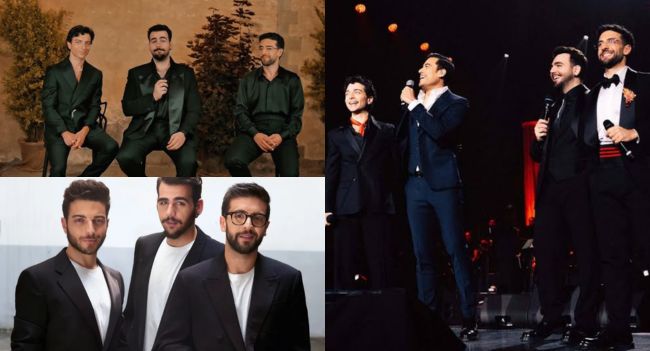
Despite the differing opinions, Il Volo remained consistent in explaining their position. They stressed that defending artistic freedom does not mean dismissing genuine concerns or ignoring evolving social values. Rather, they believe audiences should be trusted to analyze a song, understand its historical context, and decide for themselves how to interpret it. In their view, challenging material should invite dialogue instead of disappearing from public performance altogether.

The debate also highlights a larger question facing many musicians today. As audiences become increasingly vocal online, artists must constantly balance respect for changing cultural perspectives with the desire to preserve creative freedom. Every decision about what to perform can become part of a much wider discussion about history, expression, and responsibility.
Whether people agree with Il Volo’s perspective or not, their willingness to engage with criticism instead of avoiding it has ensured that the conversation continues. Rather than offering simple answers, the trio encouraged listeners to think more deeply about the relationship between art, culture, and interpretation. In doing so, they reminded fans that music has always been capable of inspiring not only emotion, but meaningful debate as well.