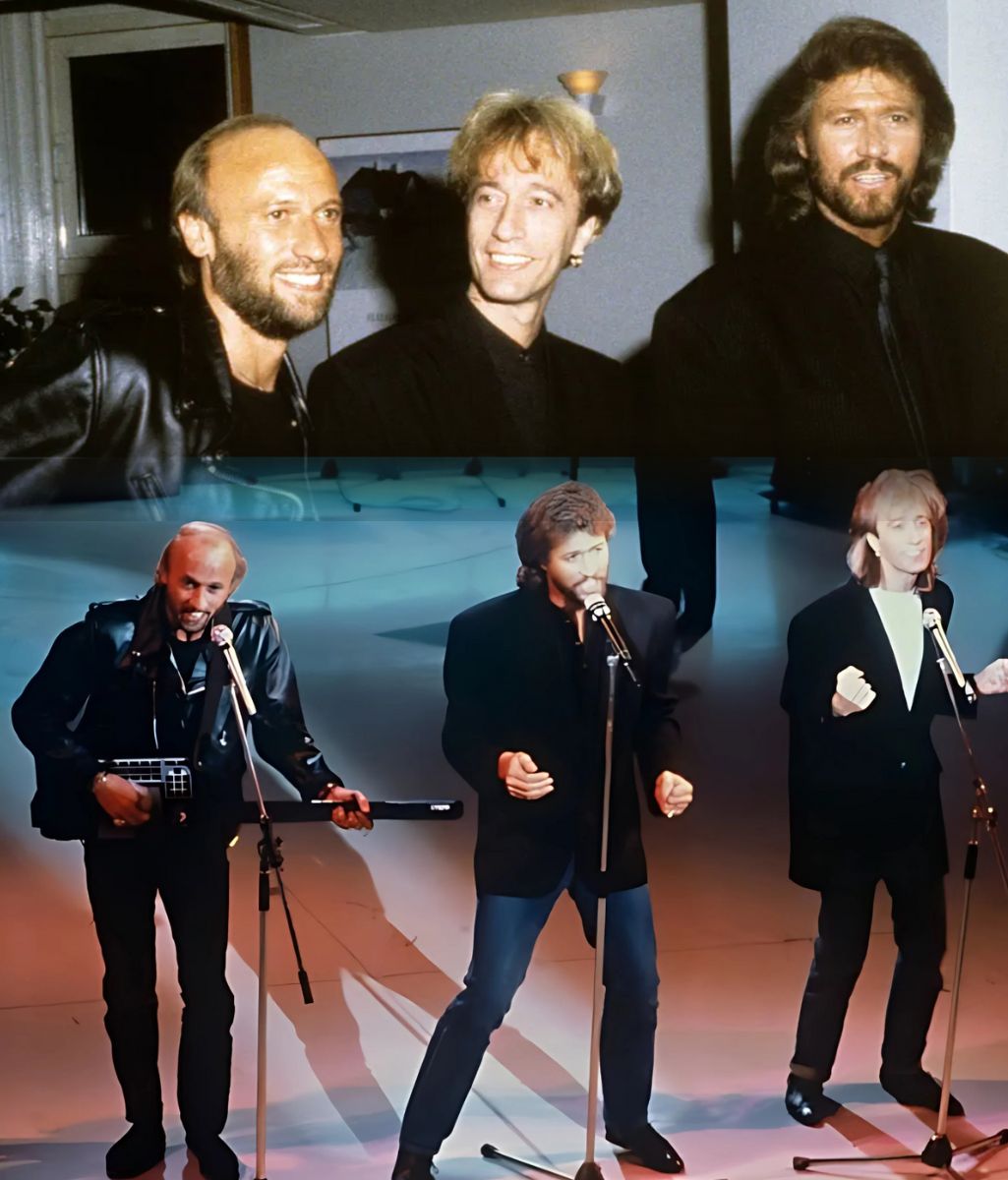
In 1987, many believed the Bee Gees had sung their last note. Disco had collapsed, critics had written them off, and the charts no longer seemed to have room for them. But then came You Win Again — a song that thundered like a declaration. Barry’s searing lead, fused with Robin and Maurice’s seamless harmonies, rode over a beat that struck like a battle cry. It wasn’t just a single; it was a resurrection. In that moment, the Bee Gees proved that true legends don’t disappear with trends — they endure, they adapt, and when the world counts them out, they come back louder, stronger, and utterly unstoppable.

bees gees

Introduction

By the mid-1980s, the Bee Gees seemed to have been written out of music’s future. The disco backlash of the late ’70s had turned once-adoring critics into skeptics, dismissing the Gibb brothers as casualties of a fading trend. Radio stations were reluctant to play their new material, and the group who had once dominated global charts with “Stayin’ Alive” and “Night Fever” appeared to have been left behind. For many, it felt like the end of an era.

But the Bee Gees were never a band to surrender quietly. In 1987, they returned with a single that defied every expectation: “You Win Again.” From its opening bars, the song struck with the force of a declaration — bold, urgent, and utterly defiant. Barry Gibb’s fiery lead vocal surged above Robin and Maurice’s impeccable harmonies, riding over a drum machine beat that pounded like a battle cry. This was not nostalgia. It was reinvention.

The track carried all the hallmarks of classic Bee Gees craftsmanship: meticulous production, unforgettable melody, and a lyric that turned conflict into anthem. Yet it also pulsed with a modern edge, proving that the brothers were not trapped by the past. “You Win Again” was both familiar and new — a bridge between their iconic legacy and the changing landscape of 1980s pop.

The world responded with awe. In October 1987, the song soared to No. 1 on the UK Singles Chart, making the Bee Gees one of the few groups in history to top the charts in three separate decades — the ’60s, ’70s, and now the ’80s. It was a staggering achievement, silencing critics who had doubted their relevance. In a single stroke, the brothers proved that true legends adapt, endure, and rise stronger than before.

Fans who had grown up with the Bee Gees saw the single as vindication, a reminder of why they had fallen in love with the trio in the first place. Younger audiences, many of whom only knew the Bee Gees through their parents’ records, discovered a group whose sound still carried an emotional punch. The song’s success stretched across Europe, topping charts and reintroducing the Gibb brothers as not just survivors, but innovators.

Looking back, “You Win Again” was more than a hit. It was a resurrection. The song marked the Bee Gees’ triumphant return to cultural relevance and cemented their place as one of the most resilient acts in modern music. Where others had faded with passing trends, Barry, Robin, and Maurice proved they could weather storms, reinvent themselves, and still command the world’s attention.

In the end, “You Win Again” lived up to its title. It was the Bee Gees’ victory over time, over criticism, and over doubt. And in 1987, as the song blasted from radios across the globe, one truth became undeniable: legends don’t fade — they rise.

Video

0 Shares:
Leave a Reply

Your email address will not be published. Required fields are marked *

You May Also Like
Céline Dion
Read More

THE CHRISTMAS PERFORMANCE THAT BROKE COUNTRY MUSIC — Céline Dion & Chris Stapleton UNITE In a Heaven-Shaking Duet That Leaves GEORGE STRAIT In Tears On the Front Row 🎄🔥😭 “I’ve Never Seen Anything Like This,” Fans Scream As History Is Made Onstage and Leaves Millions Asking: “Did We Just Witness History?”!No one in the arena knew they were about to witness a moment powerful enough to shake the foundations of country music and pop history. The lights dimmed, the orchestra held its breath — and then Céline Dion stepped into the spotlight with a glow that felt almost unreal. But when Chris Stapleton walked out beside her, the audience detonated into screams. This was the Christmas duet the world never dared imagine: Céline’s angelic fire colliding with Stapleton’s smoky soul in a once-in-a-century performance of “O Holy Night.” The first harmonies hovered in the air like falling snow, delicate and holy. Céline soared. Stapleton growled. Their voices met in the middle like lightning striking water — explosive, impossible, breathtaking. The arena froze. People clutched their hearts. Grown men wiped their eyes. And then… the camera cut to the front row — where GEORGE STRAIT, the King of Country himself, was wiping tears off his face. His lips trembled. His eyes glistened. He wasn’t just watching. He was feeling every note like it was stitching something back together inside him. Fans later said they had “never seen George Strait cry like that,” calling the moment “a sacred collision of legends” and “the most emotional Christmas performance in modern music.” When Céline and Stapleton hit the final, sky-splitting harmony, the room erupted — a tidal wave of applause, gasps, and disbelief as George Strait stood up, hands shaking, giving them a standing ovation through his tears. 👇 WATCH THE DUET THAT BROUGHT GEORGE STRAIT TO TEARS

GEORGE STRAIT BREAKS DOWN ON LIVE TV — AND THE COUNTRY WORLD CAN’T STOP TALKING ABOUT ITThe King…
Beatles
Read More

One quiet admission just changed how fans see The Beatles forever. For decades, the story of the band has been wrapped in harmony, genius, and brotherhood — but now Paul McCartney is opening up about a far more complicated truth. In a candid reflection, he admits there were moments when he would “often talk down” to fellow bandmate George Harrison — a confession that’s sending shockwaves through the music world. What did that dynamic really look like behind closed doors? How did it affect George at a time when his talent was still fighting to be fully recognized? And why is Paul choosing to speak about it now, after all these years? Fans are re-examining old interviews, lyrics, and studio moments with fresh eyes — and many say this changes how they understand the tensions, the breakups, and the quiet pain that lived beneath the world’s most famous songs. This isn’t about blame. It’s about honesty. And it reveals a side of Beatle history that’s rarely discussed — but impossible to ignore once you hear it

Paul McCartney believes he would “often talk down” to George Harrison while the pair were in The Beatles. McCartney would make this…