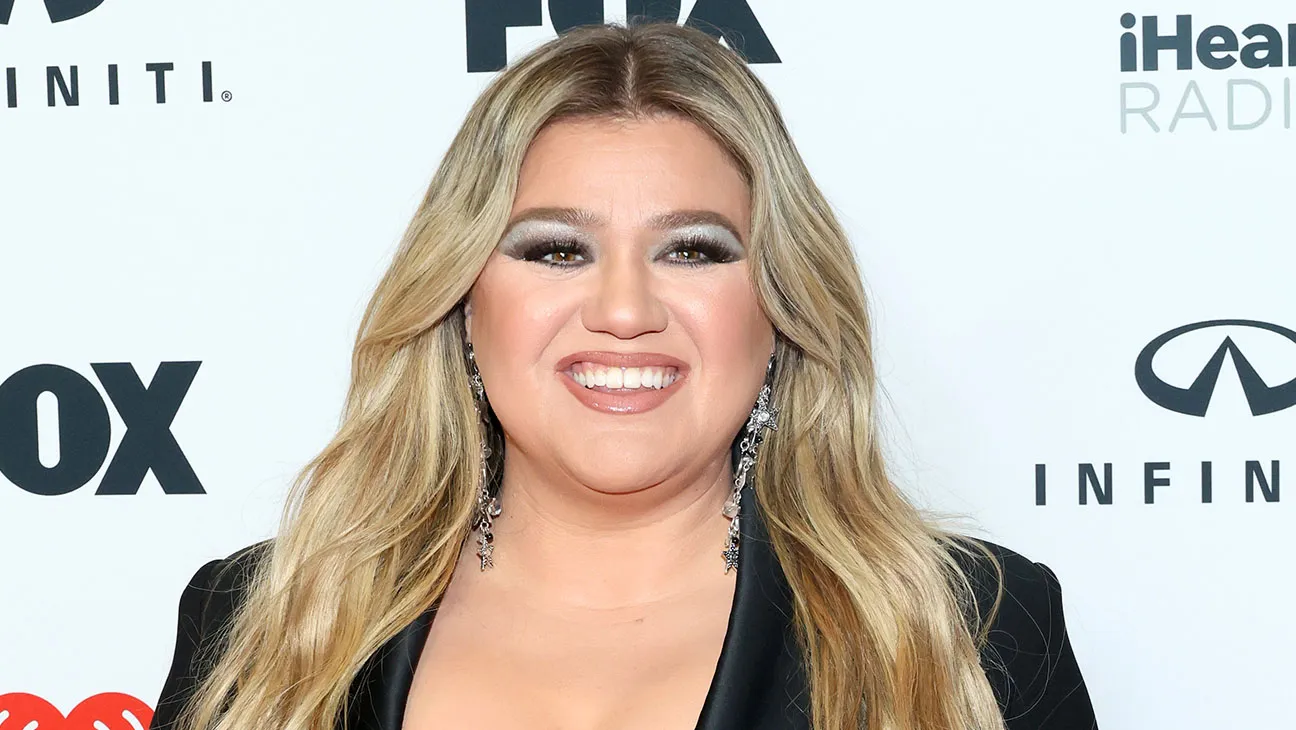
A dispute over a mechanical singing bird has become an unexpected lesson in how quickly a celebrity controversy can spill into the lives of people who were never part of the original disagreement. Kelly Clarkson’s public clash with Brooklyn novelty store Art of Play has now drawn in one of the shop’s neighbors, who says a simple expression of support for the business turned into a deeply personal online ordeal.
Brad Thomas Parsons, an author who lives just two doors away from the store, found himself facing a barrage of hostile messages after defending the business on Instagram. What began as a disagreement over a shopping experience involving a $15,000 mechanical bird escalated into insults about his appearance, accusations about his character, and even a disturbing comment targeting his beloved cat, Enzo. His account has added a troubling new dimension to a story that has captivated entertainment fans and sparked fierce arguments about celebrity influence.
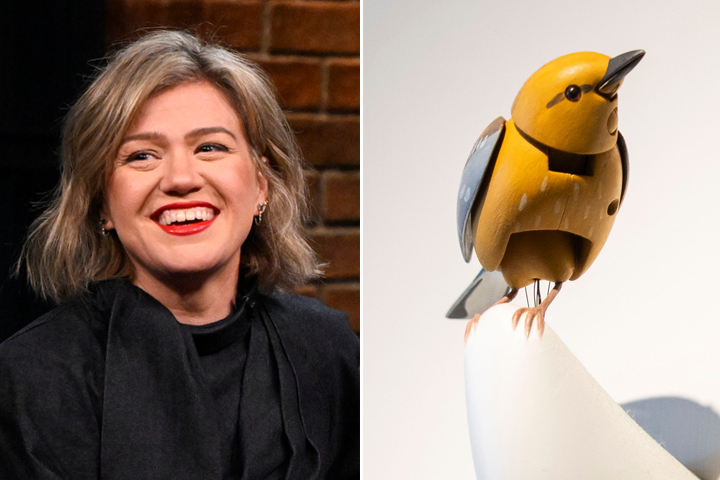
The dispute began when Clarkson publicly criticized Art of Play after visiting the Brooklyn shop and attempting to purchase a mechanical bird known as Molly. The singer said she felt she had been treated as though she could not afford the merchandise she wanted, comparing her experience to the famous shopping scene in Pretty Woman. Her account quickly attracted attention, with fans debating whether the store had treated her unfairly.
But the shop offered a different explanation. Its co-owner, Adam Rubin, said Molly was a unique mechanical creation permanently attached to the wall and used during the store’s magic shows. According to the business, the bird was not available for purchase, although the artist who created it had another similar piece that could potentially be bought.

Clarkson disputed that explanation, sharing a photograph showing a $15,000 price tag associated with the singing bird. The conflicting accounts left the public with competing versions of a brief encounter, neither of which fully settled the question of what had been said inside the store.
Security footage of Clarkson’s visit subsequently circulated online, adding another layer to the debate. The footage showed the singer browsing the shop and speaking briefly with staff before leaving, but it contained no audio. Consequently, it could not establish the exact words exchanged or determine whether the interaction was as dismissive as Clarkson described.
For Parsons, however, the growing argument was no longer simply about whether the singer or the store had the more convincing account. Having lived near Art of Play since it opened in October 2024, he said he had developed a friendly relationship with its owners and employees. He knew the people behind the business as neighbors, not merely as the subjects of a viral controversy.

That personal connection prompted him to express support for the shop on Instagram. He explained his perspective in a subsequent essay published on his Substack newsletter, describing how an ordinary disagreement between a customer and a retailer had taken on an entirely different scale once millions of people became involved.
Parsons acknowledged that the situation was complicated and did not claim to have witnessed the interaction between Clarkson and the store employee. He made clear that outsiders could not know precisely what happened during the brief visit. Nevertheless, his familiarity with the business and the people who worked there influenced his decision to speak up when the shop came under intense public criticism.
The reaction to his post was something he said he had not anticipated. In comments and direct messages, strangers attacked his red hair and body size before moving on to increasingly personal insults. Parsons described receiving messages that labeled him a wannabe celebrity and used other derogatory terms to undermine him.
The attacks were especially striking because Parsons was not the person who had complained about the shopping experience, nor was he responsible for the store’s response. He was a neighbor who had chosen to share his opinion about a business he knew personally. Yet the online reaction treated his decision to defend the shop as an invitation to target him directly.
The situation took an even more upsetting turn when someone brought his cat into the argument. Parsons said a person expressed the hope that Enzo would die from cancer, a comment that crossed a line for him. In his account of the experience, he made clear that attacks directed at his appearance were one thing, but wishing harm on an innocent animal was something else entirely.
He reported the more hostile messages through Instagram. According to Parsons, the platform took action over the comment targeting his cat, even though some of the other insults had initially remained available. The incident illustrates how online disputes can move away from criticism of someone’s views and toward attacks on the people, relationships, and animals they care about.
There is an important distinction between disagreeing with someone’s public opinion and attempting to punish them personally for expressing it. People who supported Clarkson were entitled to question the store’s conduct, just as others were entitled to sympathize with a small business facing a sudden wave of attention. Neither position required anyone to target a neighbor who had not even been present during the original exchange.

The broader controversy also raises questions about the unusual power celebrities possess when they describe negative experiences to their audiences. Clarkson has an enormous public platform, and her initial complaint brought immediate attention to a business that many people had never heard of before. That attention gave customers and supporters an opportunity to share their own views, but it also exposed the store and people connected to it to an intensity of scrutiny that an ordinary customer complaint would rarely generate.
At the same time, having a large audience does not mean a celebrity should be prevented from discussing a disappointing experience. Customers should be able to describe how they believe they were treated, and small businesses should have the opportunity to explain their side. The challenge comes when the discussion becomes so polarized that people begin treating an unresolved disagreement as proof that everyone associated with one side deserves condemnation.
Art of Play has maintained that the incident was a misunderstanding and has said it attempted to reach Clarkson directly to clear the air. The shop’s response also explained that Molly serves a purpose in its performances and that alternative mechanical birds were available. Clarkson, meanwhile, stood by her description of the interaction and challenged the store’s account of the price tag.
Neither explanation has conclusively resolved the disagreement. Without an audio recording or a mutually accepted account of the conversation, the precise nature of the encounter remains uncertain. That uncertainty is precisely why the attacks on people outside the original dispute are so difficult to justify: the central facts remain contested, yet the consequences have extended to people who had no role in creating the disagreement.
For Parsons, the experience has offered a firsthand look at how quickly an online pile-on can become personal. His decision to support a neighborhood business led to strangers scrutinizing his appearance and directing hostility toward his pet. It is a reminder that behind every viral controversy are real people who still have to live their lives after the trending topic moves on.
The most useful outcome of this saga would be a resolution that allows the parties to move forward without further hostility. Clarkson deserves to have her account heard, the store deserves a fair opportunity to explain its position, and people like Parsons should be able to express their views without receiving personal attacks.
A mechanical bird may have started the argument, but the treatment of those caught in its aftermath has become a story of its own. Do you think celebrities have a responsibility to consider how their public complaints might affect the people connected to a business, or should the focus remain entirely on whether the original customer was treated fairly?