When audiences attend a Celtic Thunder show, they expect strong vocals, polished arrangements, and a touch of theatrical flair. What they don’t always expect is a performance that leans so heavily into comedy that it becomes just as memorable as the music itself. That’s exactly what happened when Keith Harkin and Daniel Furlong took on the beloved song “You’ve Got a Friend in Me.”

From the moment the performance began, it was clear that this would be no ordinary rendition. The song, originally known for its warmth and simplicity, was transformed into a playful exchange that relied as much on timing and expression as it did on melody. At the center of it all was the undeniable chemistry between Harkin and Furlong—a dynamic that turned every glance and gesture into part of the act.
Daniel Furlong carried the vocals with confidence, delivering the familiar tune with clarity and charm. But standing beside him, Keith Harkin was crafting a completely different kind of performance. Without singing a single lyric, he became the comedic heartbeat of the moment. Through exaggerated expressions, subtle reactions, and perfectly timed physical humor, Harkin managed to command just as much attention as the lead vocalist.
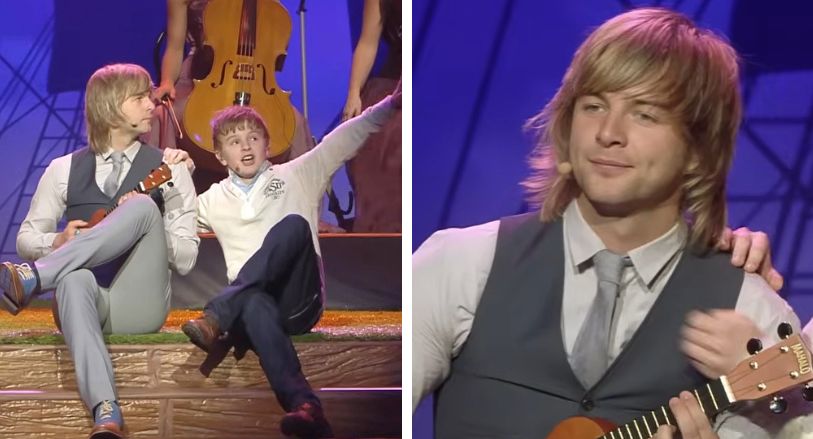
It’s a rare skill—to captivate an audience without using your voice in a musical setting. Yet Harkin did exactly that. Each raised eyebrow, each playful look toward Furlong, added a new layer of humor that kept the audience engaged. His performance highlighted an often-overlooked aspect of live shows: the power of presence.
The audience response said it all. Laughter rippled through the venue from beginning to end, creating an atmosphere that felt light, spontaneous, and genuinely joyful. It wasn’t just about the song anymore—it was about the shared experience between performers and audience. Every comedic beat landed, and every reaction felt natural rather than forced.
What made the performance especially effective was its balance. It never lost sight of the song’s original spirit, even while leaning into humor. Instead, it reimagined the piece in a way that felt fresh and engaging. By combining strong vocals with visual storytelling, Harkin and Furlong demonstrated how a familiar tune can be transformed through creativity and collaboration.
Moments like these are a reminder of why live performances hold such a special place in music. Unlike studio recordings, they allow for spontaneity, personality, and unexpected connections. In this case, it was not just the singing that made the performance stand out—it was the interaction, the timing, and the willingness to have fun on stage.
For fans of Celtic Thunder, this performance is a perfect example of the group’s versatility. They are not only capable of delivering powerful ballads and traditional pieces, but also of creating moments of pure entertainment that resonate long after the curtain falls.
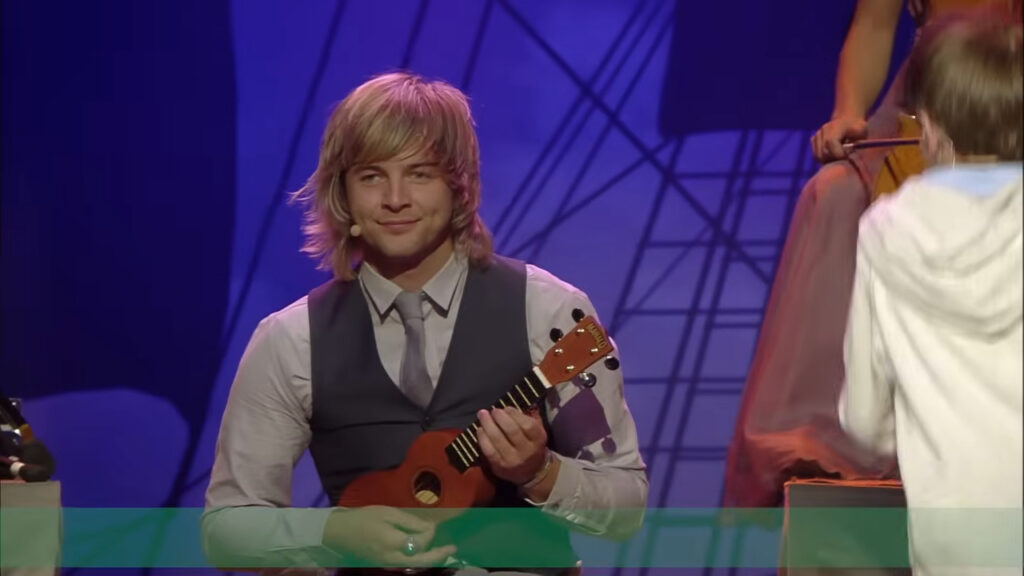
In the end, Keith Harkin’s silent contribution proved something important: sometimes, the most memorable part of a song isn’t what you hear—it’s what you see.