Introduction
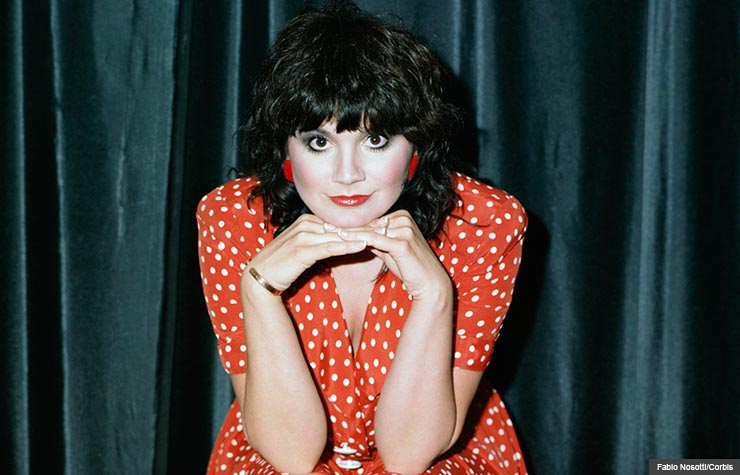
When Linda Ronstadt released “Poor Poor Pitiful Me” in 1977 as part of her acclaimed album Simple Dreams, she once again proved her uncanny ability to take a song and make it wholly her own. Originally written and recorded by Warren Zevon, the song was a sardonic, darkly humorous tale of romantic frustration and survival. In Ronstadt’s hands, however, it became something more—an anthem of self-assurance wrapped in the swagger of rock ’n’ roll and the vulnerability of country soul.
From the opening guitar riff, “Poor Poor Pitiful Me” bursts with unrelenting energy. Ronstadt’s powerhouse vocals ride over the track with both playfulness and defiance. She doesn’t merely sing about pain—she toys with it, transforms it, and refuses to be consumed by it. Her delivery, alternately teasing and ferocious, shifts the song’s tone from Zevon’s self-deprecating male perspective to one of female resilience. It’s a masterclass in reinterpretation: Ronstadt reshapes the narrative without altering a single line.
By the time Simple Dreams hit the charts, Ronstadt was already one of the most successful female artists in America. Yet this song in particular captured something essential about her artistry. She had always been a musical chameleon, effortlessly moving between country, rock, pop, and rhythm & blues. On “Poor Poor Pitiful Me,” she fused all those influences into one seamless expression of raw emotion. The track stood shoulder to shoulder with hits like “Blue Bayou” and “It’s So Easy,” showcasing not only her vocal range but her interpretive genius.
Lyrically, the song walks a fine line between humor and hurt. Lines like “He really worked me over good, he was a credit to his gender” carry a biting irony that Ronstadt amplifies with her wry, almost mischievous phrasing. There’s no trace of self-pity in her voice—only attitude and survival. She turns the title itself into a taunt, as if daring anyone to underestimate her strength. It’s that blend of toughness and tenderness that made Linda Ronstadt one of the defining female voices of the 1970s.
Critically, “Poor Poor Pitiful Me” became one of Ronstadt’s most memorable performances. It reached the Top 40 and helped cement Simple Dreams as a multi-platinum success. The song would later be covered by other artists, including Terri Clark, but none could match Ronstadt’s unique balance of grit and grace. Her version remains the definitive one—not just for its vocal brilliance, but for the way it reframed the song’s meaning through a woman’s lens.
Decades later, “Poor Poor Pitiful Me” still resonates as a statement of independence and humor in the face of heartbreak. It captures everything that made Linda Ronstadt extraordinary: her courage to reinterpret, her refusal to be confined by genre, and her ability to channel emotion into pure sonic power. In turning pain into performance, she didn’t just sing the song—she owned it.
Video