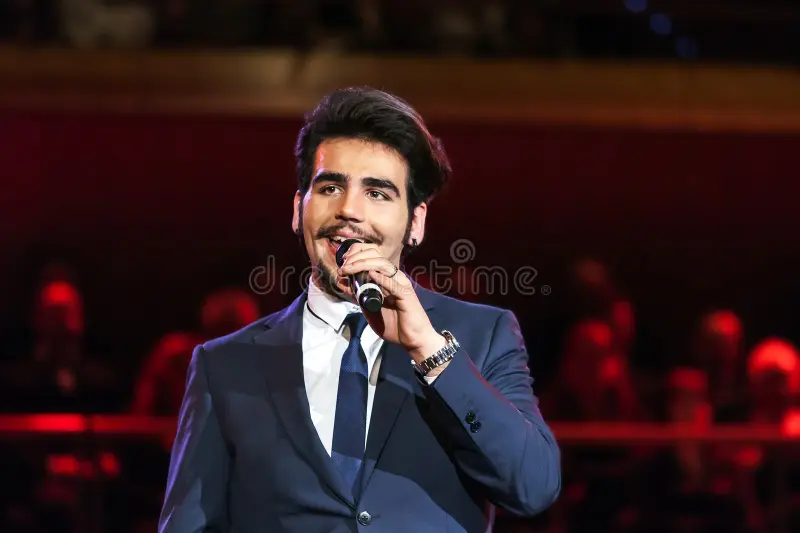
Live TV Goes Silent After Ignazio Boschetto Responds to Viral Tweet Allegedly from Vittorio Sgarbi

A viral moment circulating across Italian social media has placed both entertainment and political commentary at the center of public discussion, following a reported tweet attributed to art critic and political figure Vittorio Sgarbi directed toward singer Ignazio Boschetto.

The message, which included strongly worded language, quickly spread across platforms after screenshots and clips began circulating online. While the authenticity and full context of the tweet remain part of ongoing online debate, it was enough to ignite widespread reactions and heated discussion among fans, commentators, and media observers.

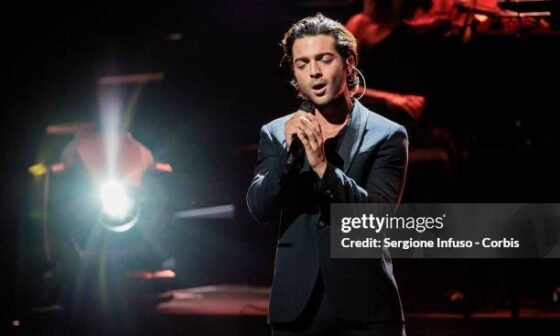
The situation escalated further when Ignazio Boschetto reportedly addressed the message during a live television appearance. According to widely shared clips, he read the content aloud on air, bringing an unexpected off-screen controversy directly into a live broadcast environment. The moment instantly changed the tone of the studio, with hosts and guests reacting in visible surprise.

What followed was a brief but striking silence, as the studio appeared to process the unexpected turn of events. Live television, often carefully controlled and structured, suddenly found itself navigating an unscripted moment that viewers immediately recognized as highly unusual.
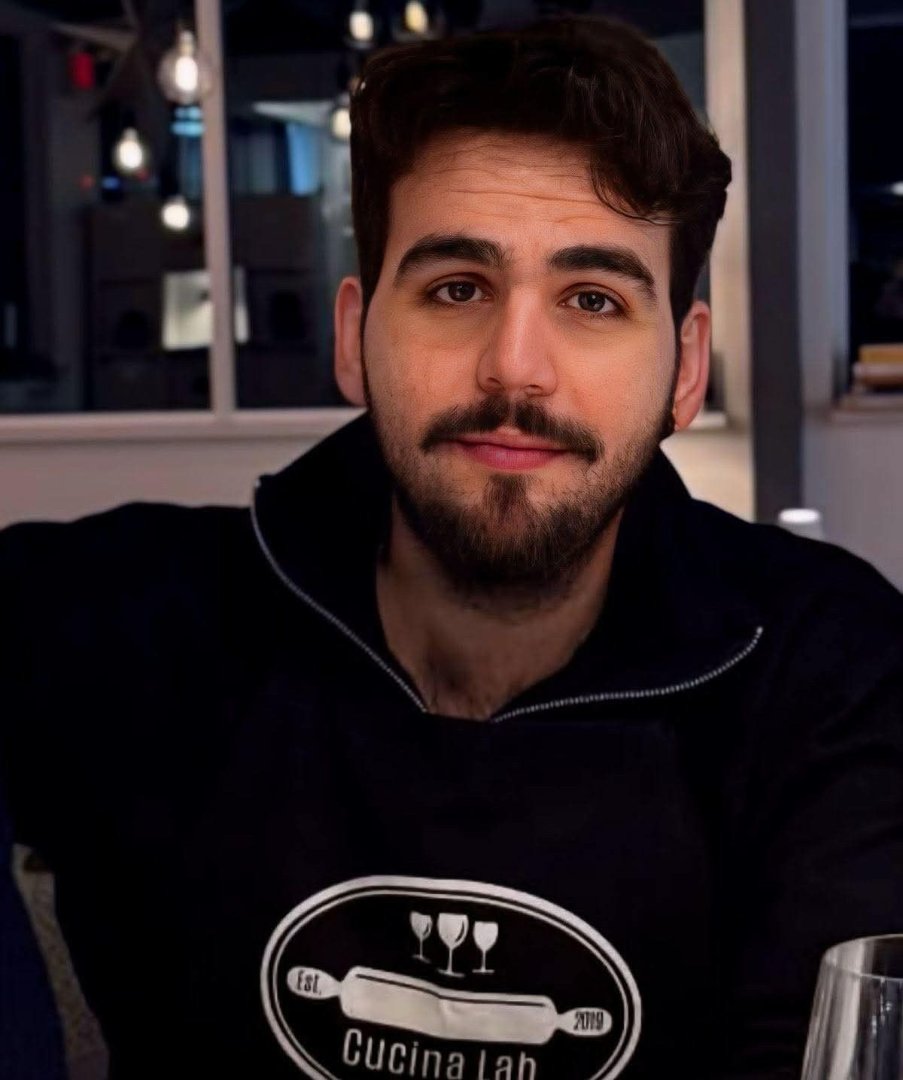
Online, reactions spread within minutes. Clips of the broadcast were shared widely, with viewers describing the moment as “tense,” “unreal,” and “one of those live TV situations you can’t plan for.” Some users praised Ignazio for his calm handling of the situation, while others debated whether bringing the tweet into the broadcast was the right choice.

Supporters of Il Volo, the internationally known trio featuring Ignazio Boschetto, quickly rallied around the singer, emphasizing his professionalism and composure under pressure. Many fans highlighted how public figures often face intense scrutiny online, and how quickly digital comments can escalate when amplified on television.

Meanwhile, commentators following the situation pointed out the growing intersection between social media discourse and live broadcasting. In today’s media environment, viral posts can easily transition from private screens to national television, blurring the lines between online debate and public programming.
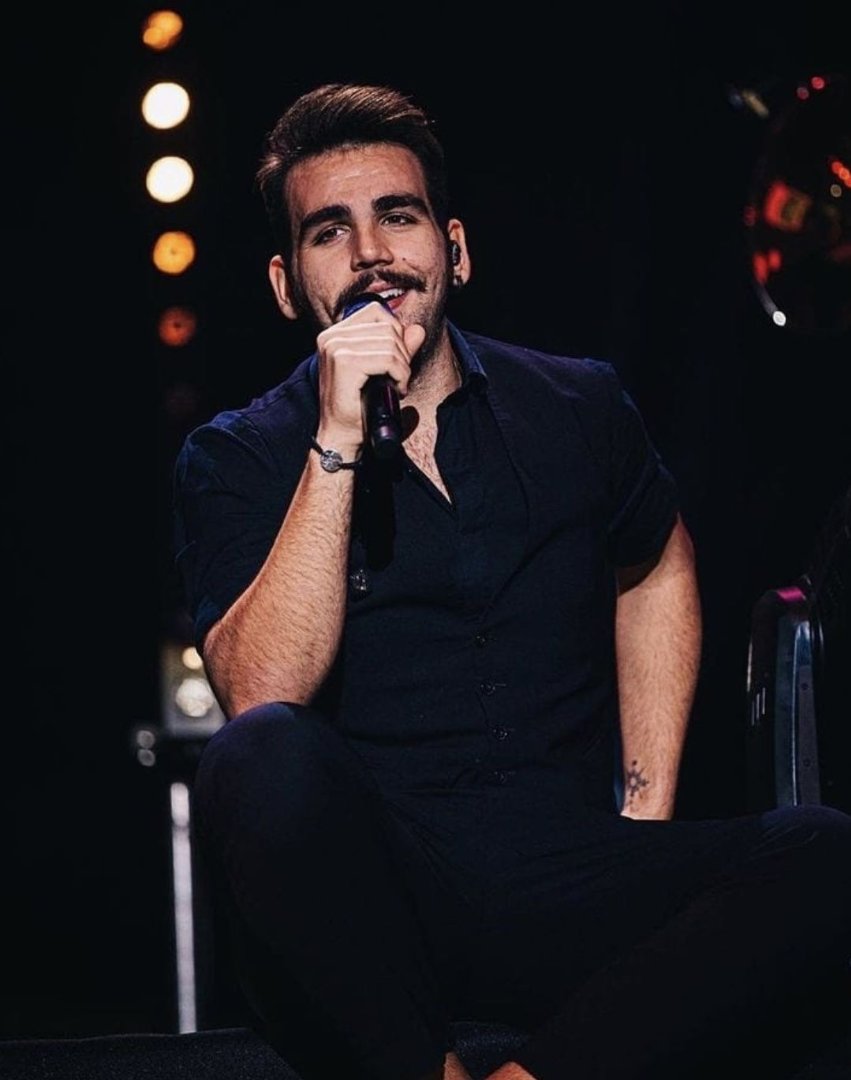
Despite the widespread circulation of the moment, no official clarification has been released regarding the tweet or the circumstances surrounding the broadcast segment. As a result, much of the narrative continues to be shaped by viewer interpretations and social media discussion rather than confirmed statements.

Still, the incident has already left a strong impression on audiences. It highlights how quickly modern media cycles can turn a single message into a national talking point, especially when it involves well-known public figures like Ignazio Boschetto and Vittorio Sgarbi.

Whether viewed as a misunderstanding, a media misstep, or simply a viral moment amplified by timing, the episode has reinforced one clear reality: in the age of instant communication, nothing stays off-stage for long.

0 Shares:
Leave a Reply

Your email address will not be published. Required fields are marked *

You May Also Like
steven-tyler
Read More

“Wait… is this really happening?” Steven Tyler grins as the opening riff of Walk This Way rips through the venue, and in that instant the crowd knows this isn’t a planned cameo — it’s a collision. Slash steps forward, says nothing, lets the guitar speak, and Dave Grohl locks in behind the kit like he’s daring the song to outrun him. You can almost hear someone onstage laugh, “Okay, let’s do this,” as the energy spikes and the room shifts from excitement to disbelief. There are no egos here, no speeches, just instinct — legends feeding off each other in real time.

When Rock Royalty Crossed Generations — Steven Tyler, Slash, Dave Grohl & Train’s Unforgettable Walk This Way Moment There are…
Read More

A Tour That Feels Like Time Travel: Why Paul McCartney’s 2026 Return Means More Than EverWhen the announcement broke that Paul McCartney would be touring in 2026, it didn’t arrive with the usual buzz of concert news. There was no sense of routine excitement or predictable anticipation. Instead, it landed quietly but deeply, like a familiar melody drifting back into your life after years away. For many fans, McCartney’s music has never belonged to just one moment. It has stretched across decades, threading itself through personal histories in ways that are hard to put into words. These are not just songs people remember — they are songs people lived through. They played during long drives with no destination, in bedrooms filled with late-night thoughts, and in fleeting moments when life seemed to pause just long enough to be understood. That’s why this tour feels different. It’s not simply about seeing a legendary artist perform again. It’s about reconnecting with something that has quietly shaped who we are. The chords, the lyrics, the unmistakable voice — they carry echoes of younger selves, of people we used to be and moments we thought were long behind us. There’s something uniquely powerful about hearing music live that has already lived inside you for years. It’s almost like reopening a chapter of your life, except this time, you’re reading it with the perspective of everything that came after. The songs haven’t changed, but you have — and that changes everything. And then there’s the weight of time itself. McCartney isn’t just another artist on tour; he’s one of the last living bridges to a musical era that reshaped culture forever. Seeing him perform now feels less like attending a concert and more like witnessing history still in motion. It’s a reminder that the past isn’t as distant as it sometimes feels — that it can still step onto a stage, pick up a guitar, and sing. But perhaps what makes the 2026 tour feel so significant is the quiet awareness that moments like this don’t come around endlessly. There’s a sense, unspoken but understood, that this is something to be cherished. Not out of nostalgia alone, but out of appreciation for what it represents — longevity, artistry, and the rare ability of music to remain meaningful across generations. Fans aren’t just preparing to attend a show. They’re preparing to revisit parts of their own lives. To stand in a crowd of strangers who somehow share the same memories, the same emotional connections to songs that have traveled through time alongside them. In the end, this tour isn’t just about Paul McCartney returning to the stage. It’s about the way music endures — how it holds onto moments, carries them forward, and gives them back when we least expect it. And in 2026, for a few hours under stage lights, those moments will feel alive again.

When the announcement broke that Paul McCartney would be touring in 2026, it didn’t arrive with the usual…