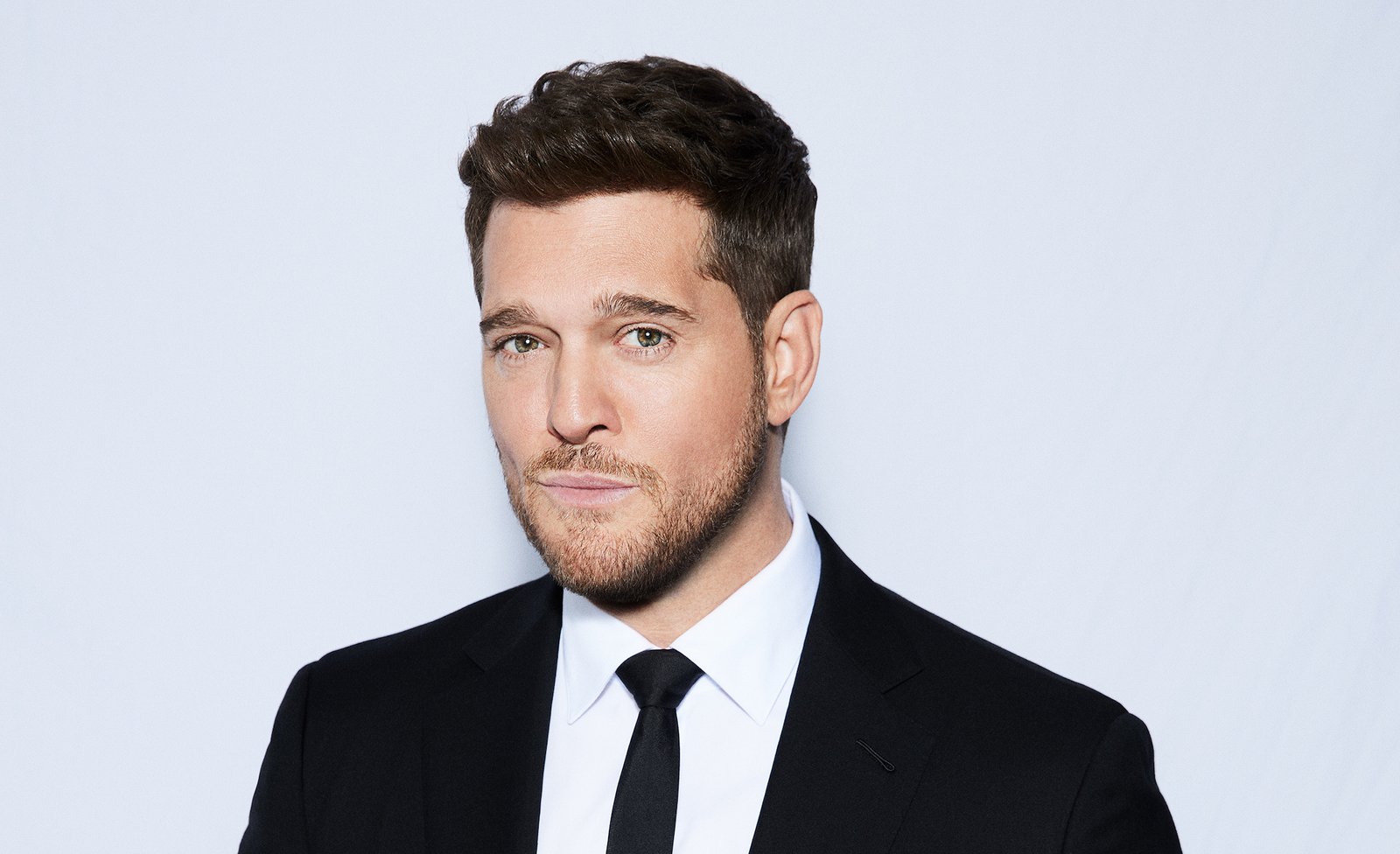
Some performances are heard.Some are remembered.But once in a long while, a performance becomes a shared heartbeat — a moment where music carries the weight of memory, gratitude, and legacy.Michael Bublé’s rendition of “How Can You Mend A Broken Heart” at the 46th Kennedy Center Honors became exactly that kind of moment.
A Night That Celebrated Artistic Greatness
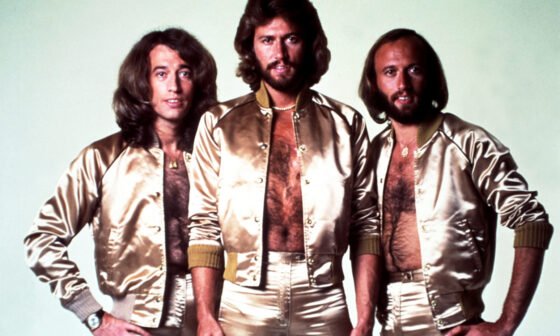
The Kennedy Center Honors has always been a night reserved for legends — performers whose work shaped culture, influenced generations, and left a permanent mark on the world. In 2023, among the honorees stood Barry Gibb, the final surviving member of the Bee Gees. His presence alone carried both the triumphs and the tragedies of a lifetime in music.
The audience included artists, cultural icons, political leaders, and fans who grew up with the unmistakable harmonies of the Bee Gees. The energy inside the theater was filled with admiration and anticipation, as people waited to see how one of the most emotional chapters in music history would be honored.
The Moment Michael Bublé Stepped Onto the Stage
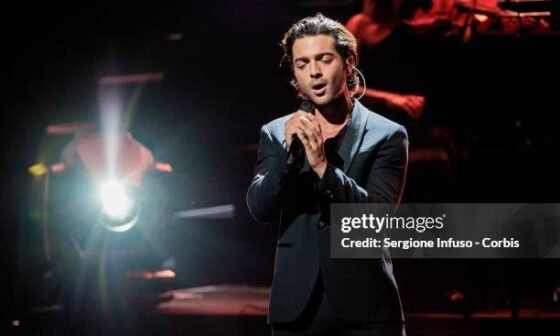
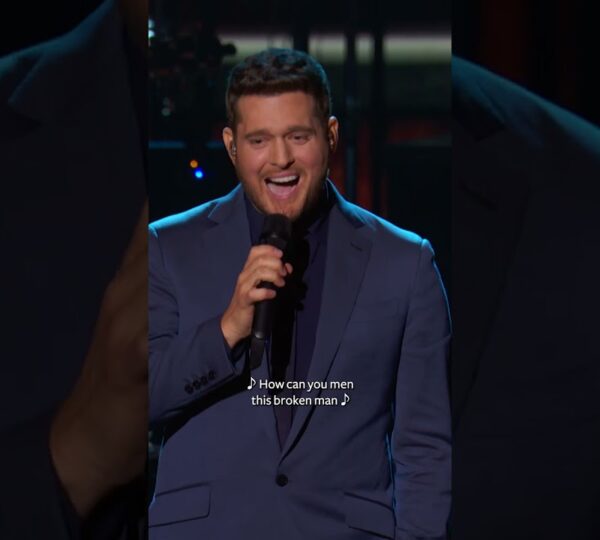
When the lights dimmed and Michael Bublé walked onto the stage, the room grew still. His calm presence, elegant suit, and gentle demeanor created a sense of respect before he even sang the first note.
He knew exactly what this performance meant.
Not only to Barry Gibb.
Not only to Bee Gees fans.
But to anyone who has ever held onto a memory that music helped keep alive.
The orchestra began softly. The familiar melody moved through the room like a whisper from another era — nostalgic, warm, and instantly recognizable.
Why This Song Matters So Deeply
“How Can You Mend A Broken Heart” is not just a Bee Gees classic; it is a musical milestone that defined a generation. Released in 1971, it became the group’s first No. 1 hit in the United States. But beyond commercial success, the song marked the healing of the brothers’ personal and creative relationship after a short breakup.
It was a song born from reconciliation.
A song written by siblings who understood love and loss.
A song that captured the emotional fragility of the human heart.
And over the years, as Barry Gibb lost each of his brothers — Maurice, Robin, and Andy — the lyrics took on deeper meaning. The song became a reflection of his own journey through grief, resilience, and the bond of family.
Bublé’s Voice: A Bridge Between Past and Present
Michael Bublé approached the performance with exceptional grace. His voice, warm and soulful, did not overpower the song. Instead, he allowed the lyrics to breathe, letting each word settle gently in the room.
There was no rushing.
No theatrics.
No attempt to modernize or embellish the classic.
It was pure respect.
A conversation through music between two generations of artists.
Audience members later commented that Bublé seemed to be singing to Barry, not for the audience. And that intimacy could be felt in every note.
Barry Gibb’s Emotional Response
As cameras subtly panned to Barry Gibb, his expression revealed everything words could not. His eyes glistened with reflection, gratitude, and perhaps a touch of sorrow — not for the moment, but for the memories the moment carried.
It wasn’t dramatic.
It wasn’t staged.
It was genuine human emotion.
Watching him quietly mouth parts of the chorus reminded viewers of a lifetime spent on stage with his brothers. Moments like these make the Kennedy Center Honors special — they capture the unseen emotions behind decades of music.
The Importance of Legacy in Music
This performance also highlighted something larger:
how timeless music truly is.
The Bee Gees influenced pop, disco, soft rock, and ballads for more than 50 years. Their songwriting ability left a permanent imprint on the history of modern music. Tracks like “How Deep Is Your Love,” “To Love Somebody,” and “Words” continue to resonate across generations.
Seeing Bublé honor Barry Gibb live, in front of millions, reminded the world that true artistry survives beyond time, beyond trends, and beyond the artists themselves.
A Night That Resonated With Fans Everywhere
Social media exploded after the performance aired. Thousands of viewers shared stories about growing up listening to Bee Gees albums, hearing their parents play the songs at family gatherings, or discovering the music through films and playlists.
Many shared how the tribute helped them revisit old memories — some joyful, some bittersweet, all meaningful.
The universal reaction was the same:
the performance touched people because it was sincere.
Why Bublé Was the Perfect Choice
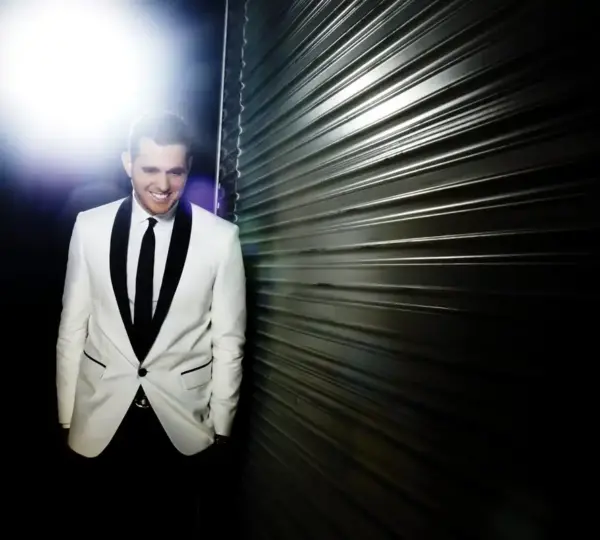
Michael Bublé has often expressed admiration for classic vocalists and songwriters who shaped the foundations of modern music. His career has been built on honoring timeless songs while adding his own warmth and personal style.
For this tribute, his tone, phrasing, and emotional control matched the heart of the Bee Gees’ original masterpiece. It was clear he felt honored to perform it — and he carried that respect with every note.
The Song Lives On — In Every Generation
As the final chords of the orchestra faded that night, something beautiful lingered in the air. It wasn’t just applause. It was gratitude — from Barry Gibb, from the audience, and from millions of viewers around the world who knew they had witnessed a rare, honest moment in music.
Great songs don’t just survive.
They continue to speak.
They continue to heal.
They continue to connect hearts across time.
“How Can You Mend A Broken Heart” did exactly that again, thanks to a tribute delivered with sincerity and love.
A Final Reflection
The Kennedy Center Honors did more than celebrate a legend. It reminded the world why the Bee Gees’ music remains unforgettable — because it came from a place of genuine emotion, family, and truth.
Michael Bublé’s performance did not just honor Barry Gibb.
It honored the memories of Robin, Maurice, and Andy.
It honored the era they defined.
And it honored the bond that music creates between generations.
A performance like this doesn’t fade.
It becomes part of music history.
Some performances are heard.Some are remembered.But once in a long while, a performance becomes a shared heartbeat — a moment where music carries the weight of memory, gratitude, and legacy.Michael Bublé’s rendition of “How Can You Mend A Broken Heart” at the 46th Kennedy Center Honors became exactly that kind of moment.
A Night That Celebrated Artistic Greatness
The Kennedy Center Honors has always been a night reserved for legends — performers whose work shaped culture, influenced generations, and left a permanent mark on the world. In 2023, among the honorees stood Barry Gibb, the final surviving member of the Bee Gees. His presence alone carried both the triumphs and the tragedies of a lifetime in music.
The audience included artists, cultural icons, political leaders, and fans who grew up with the unmistakable harmonies of the Bee Gees. The energy inside the theater was filled with admiration and anticipation, as people waited to see how one of the most emotional chapters in music history would be honored.
The Moment Michael Bublé Stepped Onto the Stage
When the lights dimmed and Michael Bublé walked onto the stage, the room grew still. His calm presence, elegant suit, and gentle demeanor created a sense of respect before he even sang the first note.
He knew exactly what this performance meant.
Not only to Barry Gibb.
Not only to Bee Gees fans.
But to anyone who has ever held onto a memory that music helped keep alive.
The orchestra began softly. The familiar melody moved through the room like a whisper from another era — nostalgic, warm, and instantly recognizable.
Why This Song Matters So Deeply
“How Can You Mend A Broken Heart” is not just a Bee Gees classic; it is a musical milestone that defined a generation. Released in 1971, it became the group’s first No. 1 hit in the United States. But beyond commercial success, the song marked the healing of the brothers’ personal and creative relationship after a short breakup.
It was a song born from reconciliation.
A song written by siblings who understood love and loss.
A song that captured the emotional fragility of the human heart.
And over the years, as Barry Gibb lost each of his brothers — Maurice, Robin, and Andy — the lyrics took on deeper meaning. The song became a reflection of his own journey through grief, resilience, and the bond of family.
Bublé’s Voice: A Bridge Between Past and Present
Michael Bublé approached the performance with exceptional grace. His voice, warm and soulful, did not overpower the song. Instead, he allowed the lyrics to breathe, letting each word settle gently in the room.
There was no rushing.
No theatrics.
No attempt to modernize or embellish the classic.
It was pure respect.
A conversation through music between two generations of artists.
Audience members later commented that Bublé seemed to be singing to Barry, not for the audience. And that intimacy could be felt in every note.
Barry Gibb’s Emotional Response
As cameras subtly panned to Barry Gibb, his expression revealed everything words could not. His eyes glistened with reflection, gratitude, and perhaps a touch of sorrow — not for the moment, but for the memories the moment carried.
It wasn’t dramatic.
It wasn’t staged.
It was genuine human emotion.
Watching him quietly mouth parts of the chorus reminded viewers of a lifetime spent on stage with his brothers. Moments like these make the Kennedy Center Honors special — they capture the unseen emotions behind decades of music.
The Importance of Legacy in Music
This performance also highlighted something larger:
how timeless music truly is.
The Bee Gees influenced pop, disco, soft rock, and ballads for more than 50 years. Their songwriting ability left a permanent imprint on the history of modern music. Tracks like “How Deep Is Your Love,” “To Love Somebody,” and “Words” continue to resonate across generations.
Seeing Bublé honor Barry Gibb live, in front of millions, reminded the world that true artistry survives beyond time, beyond trends, and beyond the artists themselves.
A Night That Resonated With Fans Everywhere
Social media exploded after the performance aired. Thousands of viewers shared stories about growing up listening to Bee Gees albums, hearing their parents play the songs at family gatherings, or discovering the music through films and playlists.
Many shared how the tribute helped them revisit old memories — some joyful, some bittersweet, all meaningful.
The universal reaction was the same:
the performance touched people because it was sincere.
Why Bublé Was the Perfect Choice
Michael Bublé has often expressed admiration for classic vocalists and songwriters who shaped the foundations of modern music. His career has been built on honoring timeless songs while adding his own warmth and personal style.
For this tribute, his tone, phrasing, and emotional control matched the heart of the Bee Gees’ original masterpiece. It was clear he felt honored to perform it — and he carried that respect with every note.
The Song Lives On — In Every Generation
As the final chords of the orchestra faded that night, something beautiful lingered in the air. It wasn’t just applause. It was gratitude — from Barry Gibb, from the audience, and from millions of viewers around the world who knew they had witnessed a rare, honest moment in music.
Great songs don’t just survive.
They continue to speak.
They continue to heal.
They continue to connect hearts across time.
“How Can You Mend A Broken Heart” did exactly that again, thanks to a tribute delivered with sincerity and love.
A Final Reflection
The Kennedy Center Honors did more than celebrate a legend. It reminded the world why the Bee Gees’ music remains unforgettable — because it came from a place of genuine emotion, family, and truth.
Michael Bublé’s performance did not just honor Barry Gibb.
It honored the memories of Robin, Maurice, and Andy.
It honored the era they defined.
And it honored the bond that music creates between generations.
A performance like this doesn’t fade.
It becomes part of music history.