THE NIGHT AMERICA TURNED ON THE BEATLES: Inside John Lennon’s ‘BIGGER THAN JESUS’ Bombshell That Sparked Record Burnings, Death Threats and a Public Apology That Rocked 1966

- John Lennon’s 1966 remark that The Beatles were “more popular than Jesus” triggered nationwide outrage in the US
- Radio stations banned their music as furious fans publicly burned records across the American South
- Death threats mounted, forcing Lennon into an awkward, globally televised apology
- The scandal played a major role in The Beatles quitting touring for good
It began as an offhand comment in a London interview.
It ended with bonfires.
In March 1966, John Lennon, then just 25, told British journalist Maureen Cleave that The Beatles were “more popular than Jesus” — a remark intended as social commentary on declining church attendance in the UK.
In Britain, it barely registered.
In America, it detonated.
From Quiet Interview to Cultural Firestorm

The quote resurfaced months later when US teen magazine Datebook printed it ahead of The Beatles’ American tour.
Within days, outrage swept across the Bible Belt.
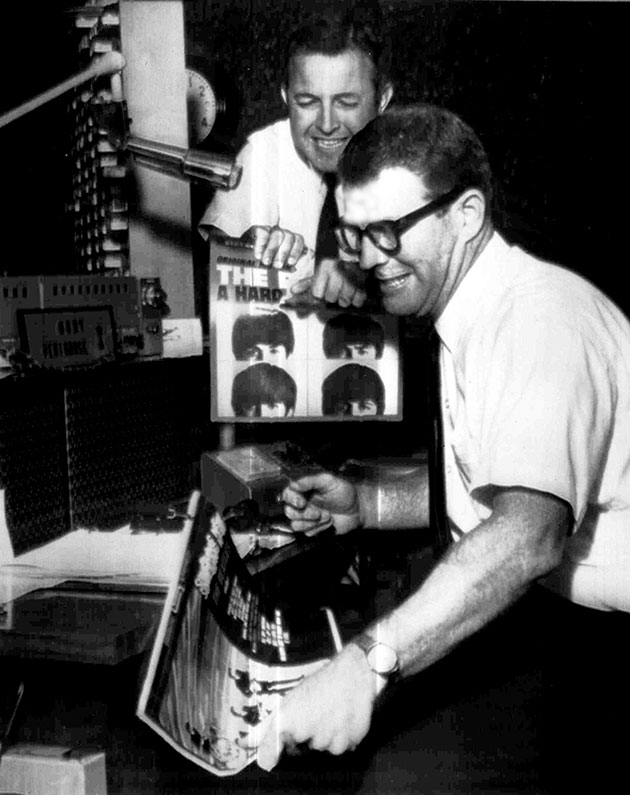
Radio stations in Alabama, Texas and South Carolina pulled Beatles songs from rotation. Pastors denounced Lennon from pulpits. Youth groups organised record-burning rallies.
In Birmingham, Alabama, a local DJ encouraged listeners to bring their Beatles vinyl to be destroyed in public bonfires.
Photographs of smouldering LPs spread nationwide.
Death Threats and FBI Files
The backlash was not merely theatrical.
Ku Klux Klan members reportedly staged demonstrations. Threats poured in ahead of the band’s 1966 US tour. Security concerns escalated dramatically.
According to multiple historical accounts, the controversy even caught the attention of US authorities monitoring large public events during the tense Cold War era.
For four young musicians already navigating hysteria-level fame, the pressure was suffocating.
Lennon’s Uncomfortable Apology
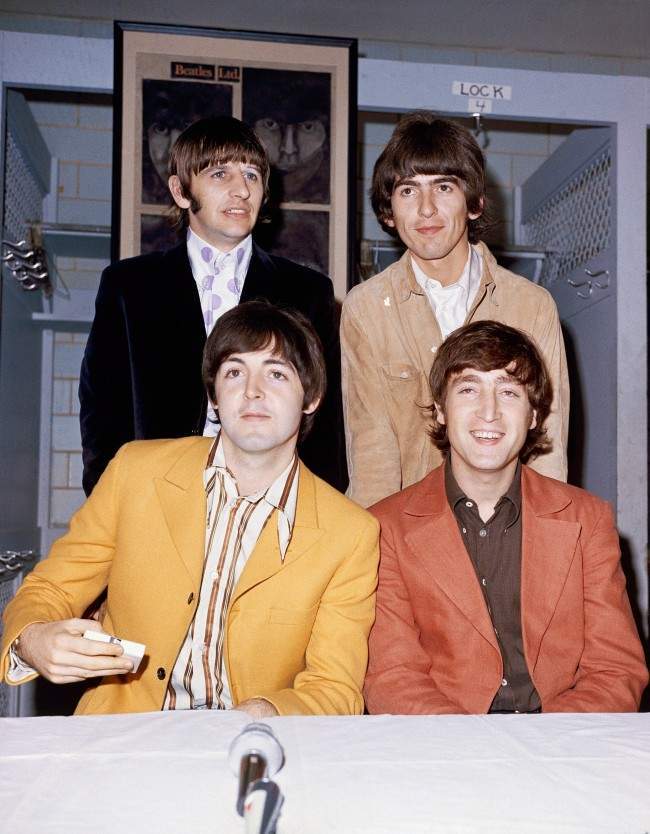
Facing mounting danger, Lennon addressed the controversy at a Chicago press conference on August 11, 1966.
He insisted he was not attacking Christianity.
“I’m not anti-God, anti-Christ or anti-religion,” Lennon said. “I was not knocking it. I was not saying we are greater or better.”
But the damage was done.
The apology was broadcast globally — an image of a visibly tense Lennon forced to explain himself to an outraged nation.
Sidebar: Why the US Reacted So Fiercely
In 1966, America was deeply religious and politically volatile.
The Vietnam War was escalating. Civil rights tensions were boiling. Generational divides were widening.
To many conservative Americans, Lennon’s words symbolised youthful rebellion spiralling out of control.
To teenagers? It only made The Beatles more compelling.
The Beginning of the End of Touring
The 1966 US tour that followed was chaotic.
Screaming fans drowned out performances. Security fears mounted nightly.
Weeks later, The Beatles made a seismic decision: they would stop touring altogether.
Their final paid concert took place at Candlestick Park in San Francisco on August 29, 1966.
Many historians argue that without the “Bigger Than Jesus” controversy, the band might not have retreated from live performance so abruptly.
Instead, they returned to the studio — and produced groundbreaking albums like Sgt. Pepper’s Lonely Hearts Club Band.
A Quote That Still Divides
Nearly 60 years later, the comment remains one of the most controversial in rock history.
Some see it as a misunderstood observation about shifting cultural influence.
Others argue it exposed the volatile intersection of fame, faith and media sensationalism.
What is certain is this: a single sentence nearly derailed the world’s biggest band — and changed the course of modern music.
Was Lennon reckless… or simply ahead of his time?