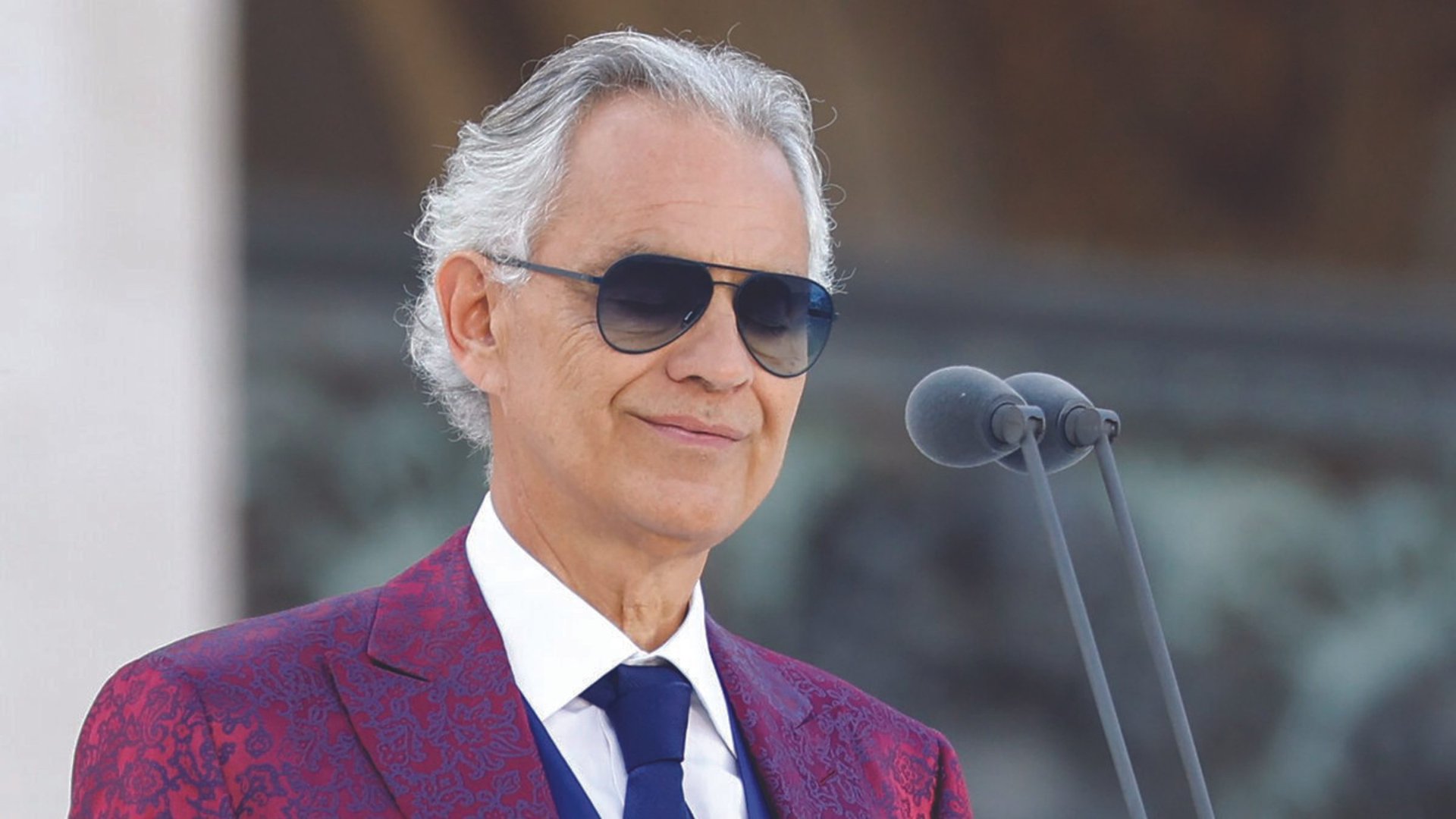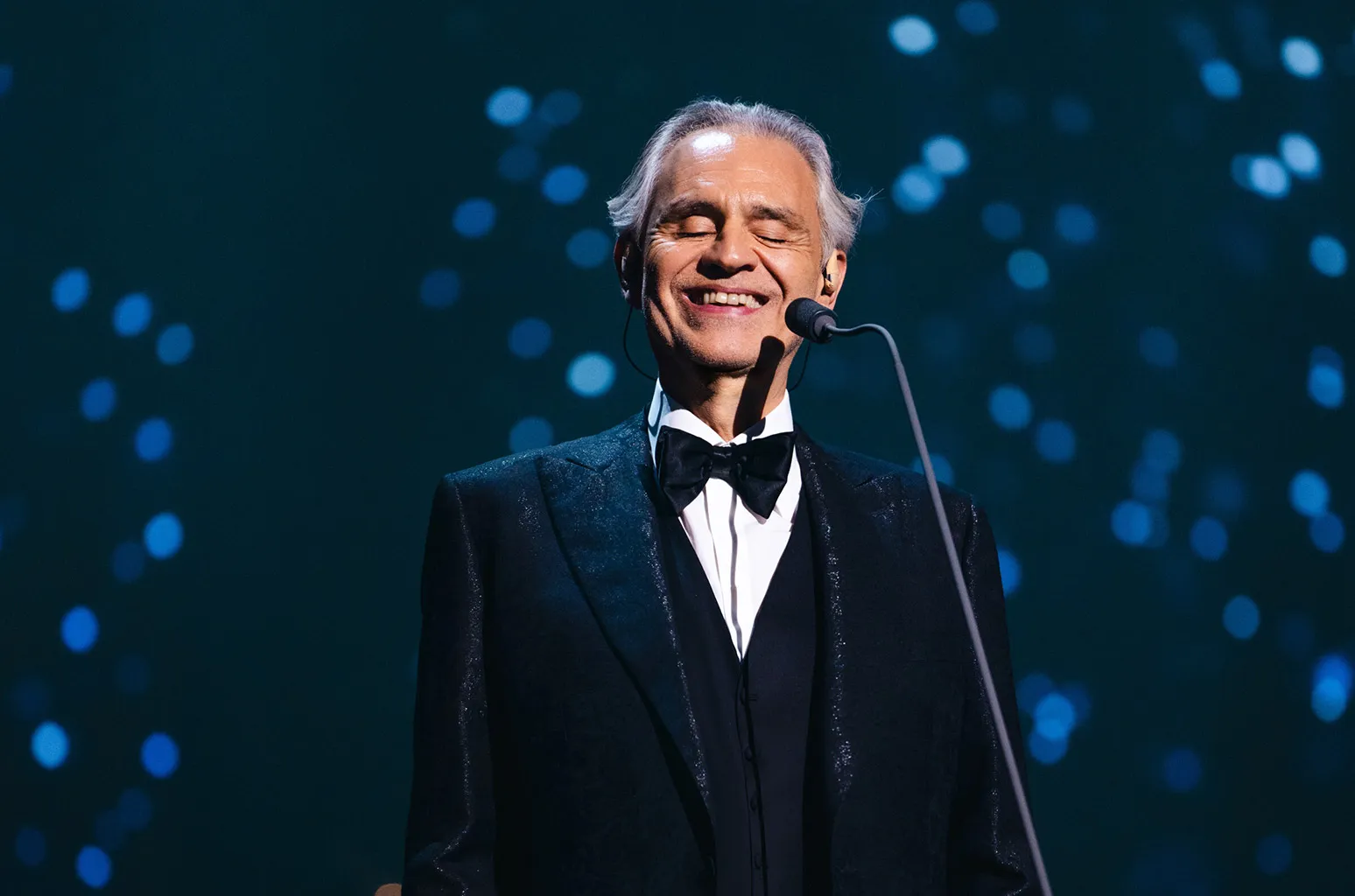
A wave of online discussion has emerged after posts began circulating alleging that Andrea Bocelli declined to wear a themed jacket associated with an LGBTQ+ pride-related event.
The claims, which have spread across social media platforms, suggest that Bocelli expressed a preference for keeping his stage appearances focused strictly on music and artistic performance rather than political or social messaging. Some versions of the posts also attribute additional comments to him, though none of these statements have been verified through official sources.
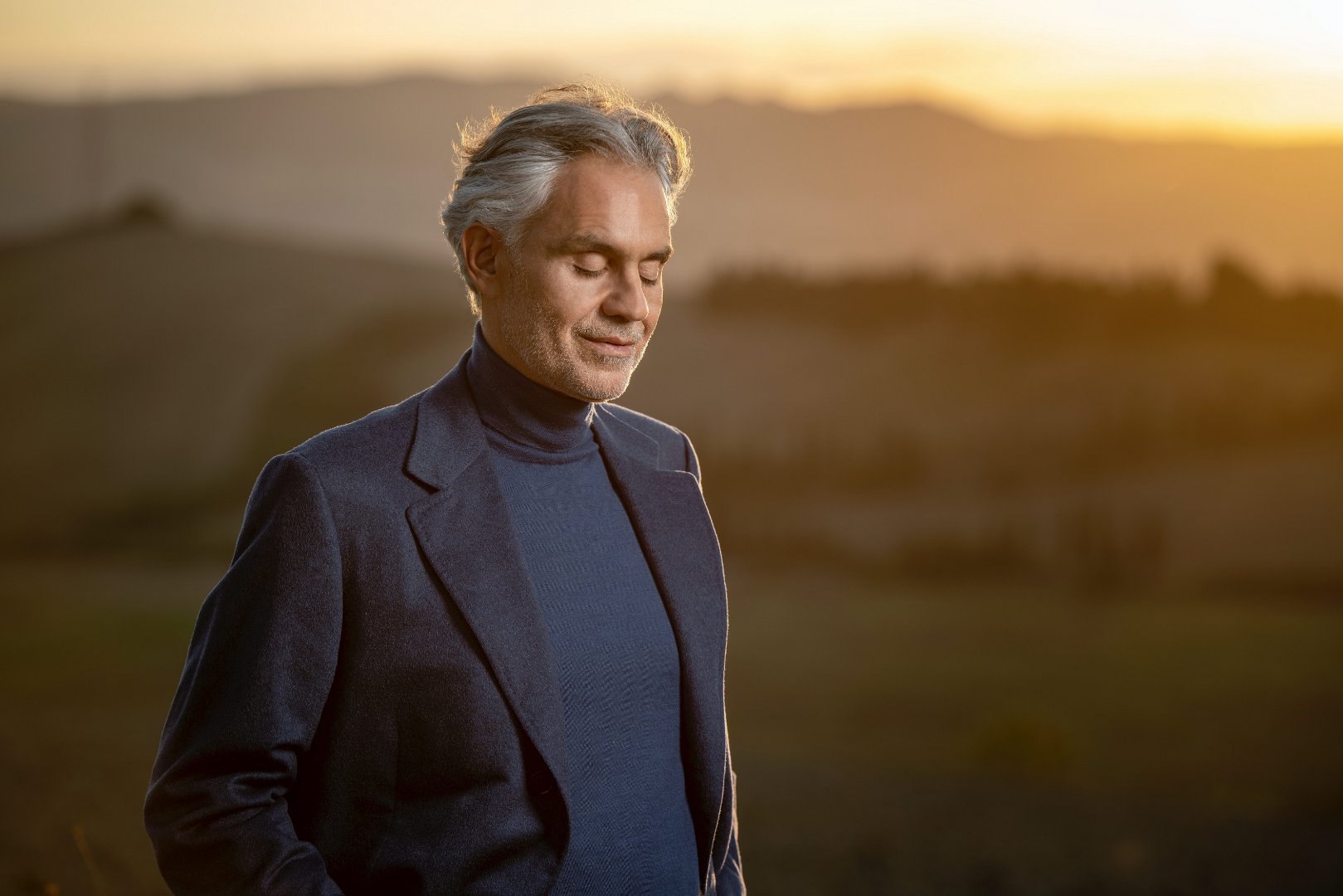
At this time, there is no confirmed record or public statement from Bocelli’s representatives or event organizers substantiating the alleged refusal or the quoted remarks. The narrative appears to have originated from online discussions rather than formal press coverage.
Despite the lack of verification, the story has quickly gained traction online, prompting a wide range of reactions. Supporters of the alleged stance argue that artists should be free to separate performance from political or social expression on stage. Others disagree, suggesting that visibility and public events often naturally intersect with broader cultural and social themes.
Andrea Bocelli, known globally for his decades-long career as a classical and crossover tenor, is often associated with performances centered on music, emotion, and artistic tradition. Because of his high-profile status, even unverified claims involving his public appearances tend to generate significant attention and rapid online circulation.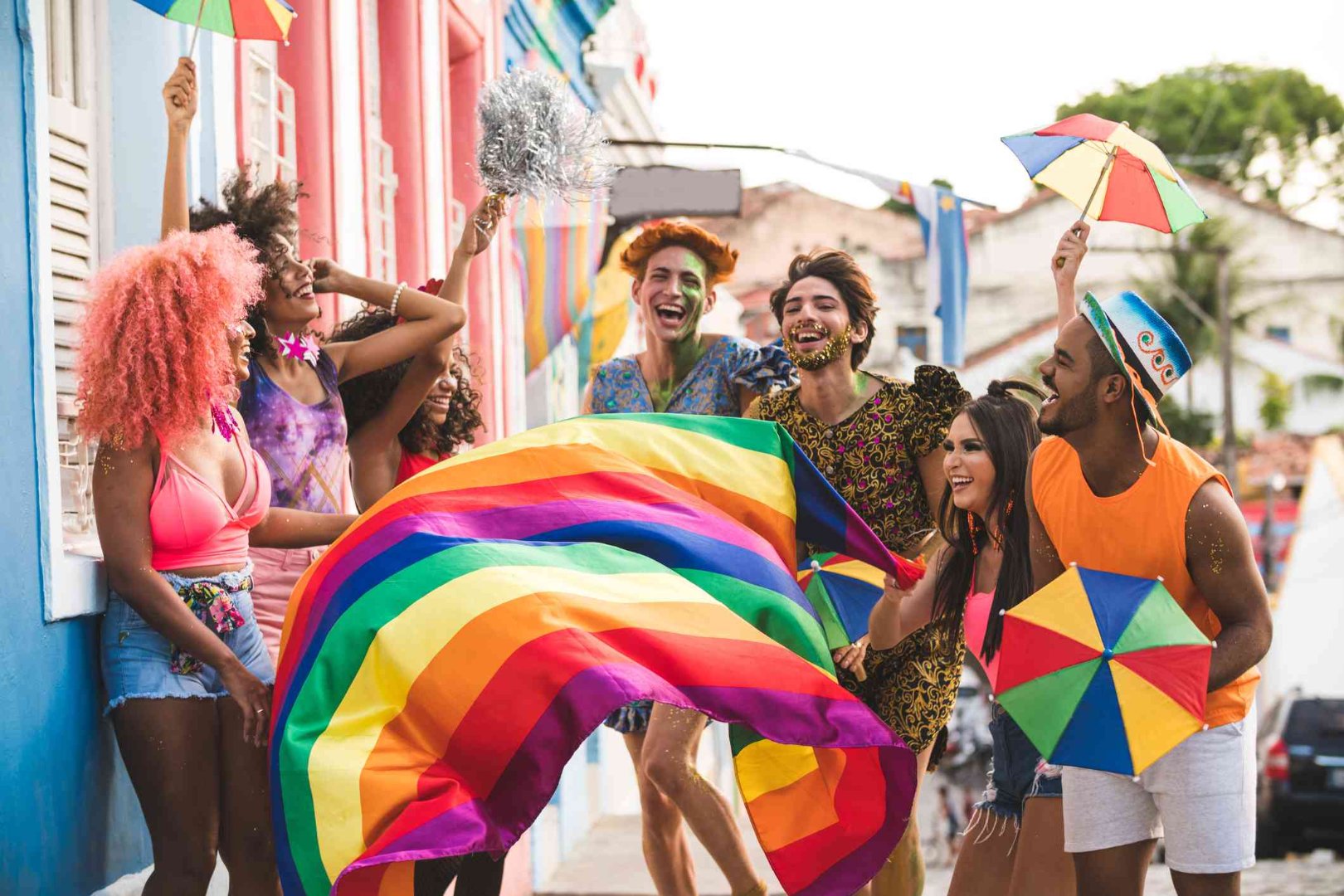
The situation highlights a broader pattern in the digital age, where statements—whether confirmed or not—can quickly evolve into viral narratives before official clarification is available. This often leads to polarized discussion, particularly when topics involve cultural or social identity.
As of now, the details remain unconfirmed, and audiences are encouraged to await verified information before drawing conclusions. Still, the conversation reflects the ongoing debate about the role of artists in expressing or refraining from social and political messaging in public spaces.
For now, no official confirmation supports the claims circulating online, and the situation remains part of broader social media speculation.