In the world of classical crossover, the name “Bocelli” is more than a surname; it is a global institution. It represents a specific frequency of emotion, a Mediterranean warmth that has defined a generation of music. For Matteo Bocelli, growing up in the Tuscan hills, that name was both a gift and a fortress. But as any child of a giant knows, it is hard to grow when you are constantly standing in someone else’s shade.
The turning point didn’t happen in Italy, nor did it happen in a recording studio. It happened thousands of miles away, on an Australian stage, where the distance from home seemed to finally give Matteo the room to breathe.
The Echo and the Original
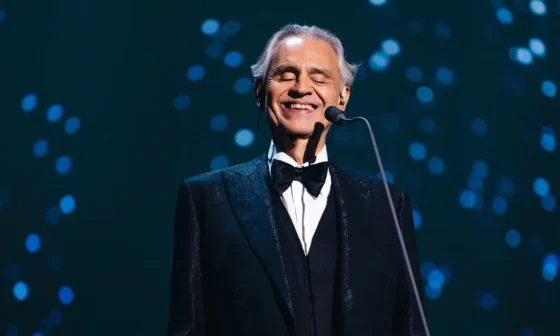
When Matteo first stepped onto the stage that night, the atmosphere was thick with comparison. The audience sat with bated breath, their ears tuned to find the echoes of Andrea. And at first, they found them—the upright posture, the humble tilt of the head, and that unmistakable, velvety resonance that seems to run through the family DNA.
But as the set progressed, the “echo” began to fade, replaced by a distinct, contemporary edge. Matteo wasn’t just singing arias; he was telling his own story. Critics who had spent years sharpening their pens to write about “the famous son” found themselves putting their notebooks away. You cannot compare a sunset to the moon; both are beautiful, but they provide a completely different light. Matteo was no longer a tribute act; he was a revelation.
The Australian Epiphany
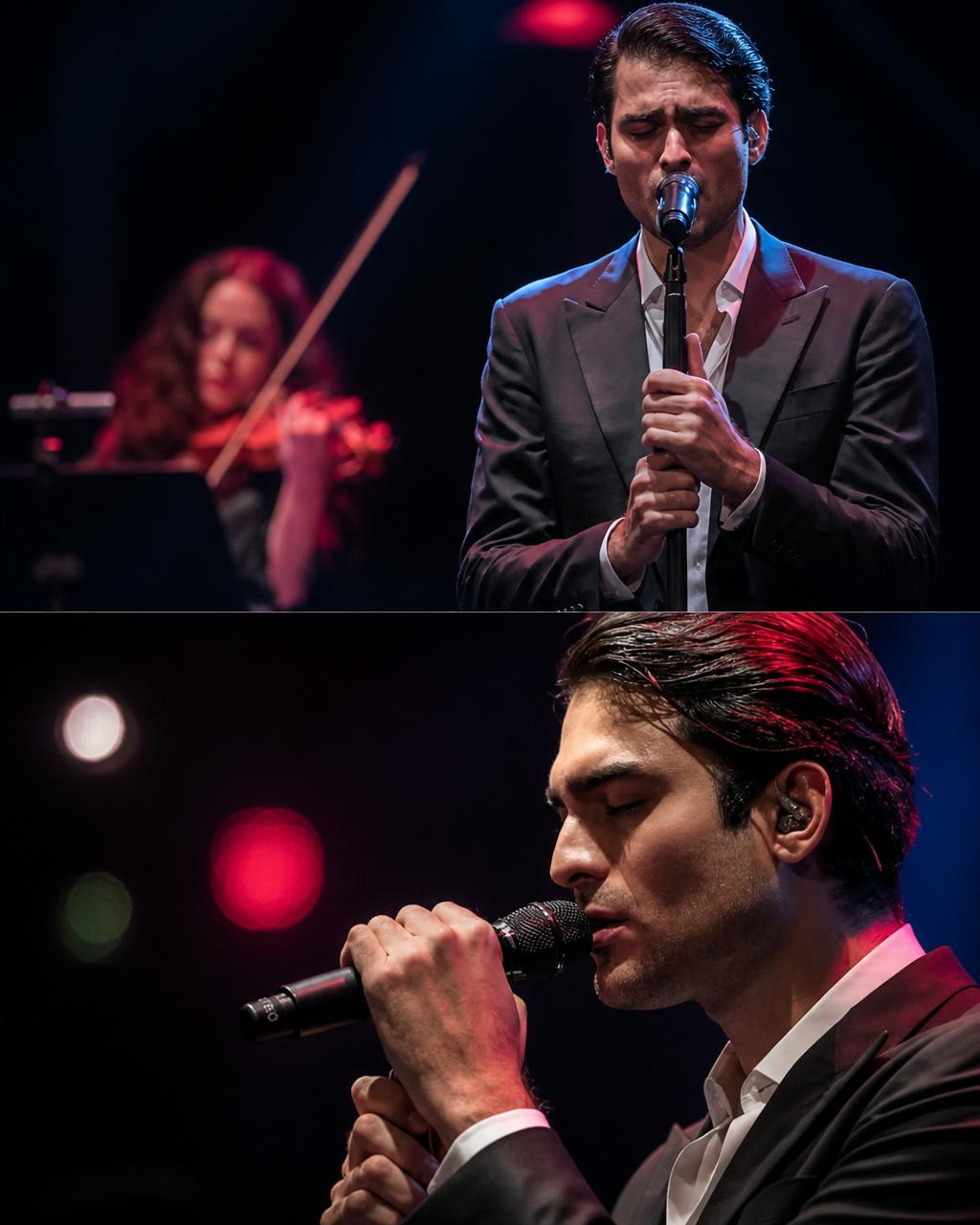
Australia has always been a proving ground for international artists, but for Matteo, the stakes felt personal. This wasn’t just about a tour; it was about an identity. During one particular ballad, the theater fell into a silence so profound you could hear the mechanical hum of the lights. He hit a note that didn’t sound like his father—it sounded like a man who had finally found his own frequency.
In that moment, the “kid with the famous father” disappeared. In his place was a soloist who commanded the stage not through his lineage, but through a raw, vulnerable connection with the thousands of people sitting in the dark. The applause that followed wasn’t polite or respectful; it was a roar of recognition.
What Nobody Saw Coming
The true magic of that night, however, happened after the final note. Usually, a performer of his stature would retreat to the sanctuary of a dressing room or a waiting car. But Matteo did the opposite.
He stayed. He stood at the edge of the stage, looking out at the empty seats and the lingering crew, and he wept. It wasn’t a cry of sadness, but one of immense relief. The 28-year-old weight of “carrying the name” had finally been set down. He realized that the world wasn’t just listening because he was a Bocelli; they were listening because he was Matteo.
He didn’t just survive the legacy—he expanded it. That night in Australia proved that while Andrea may have opened the door, it is Matteo’s own soul that will keep the world coming back for more.