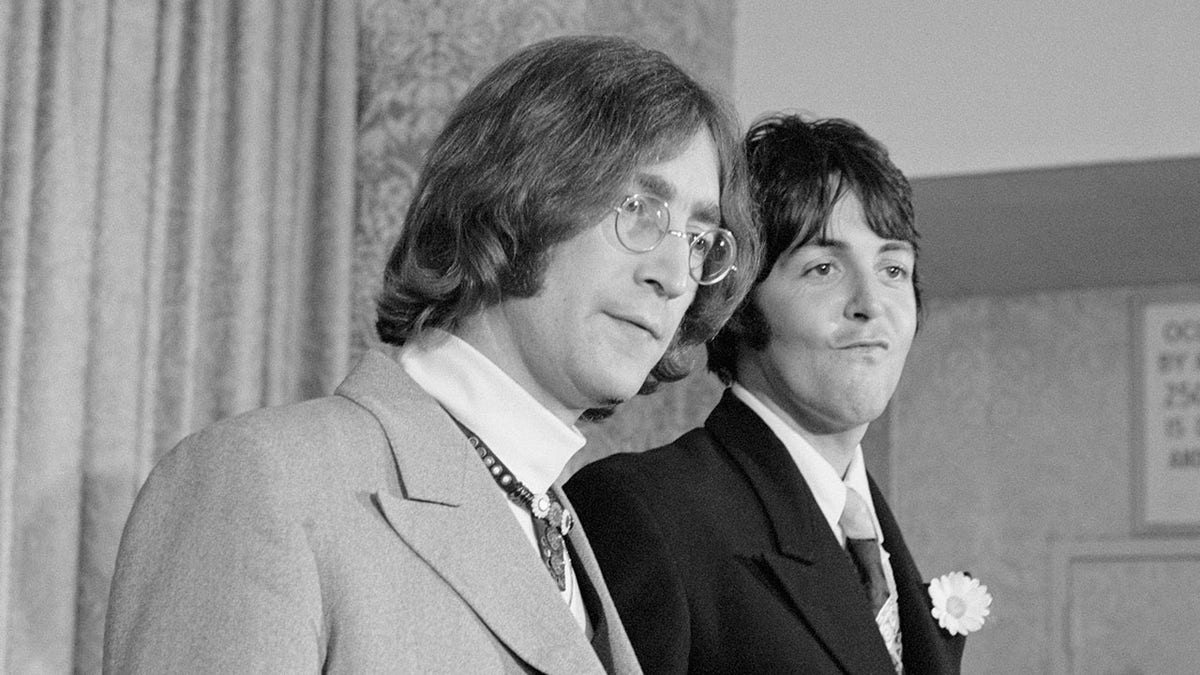
The story of Paul McCartney and John Lennon is often told through music—through melodies, lyrics, and the revolutionary sound they built together as part of The Beatles. But behind the songs lies something more complicated: a friendship that changed the world, yet never truly found its ending.
In their early years, McCartney and Lennon were inseparable in the way only young artists can be. They challenged each other, balanced each other, and, in many ways, completed each other creatively. Lennon brought edge and unpredictability; McCartney brought structure and melody. Together, they created something neither could have achieved alone.
But as the 1960s came to a close, the pressures of fame, creative differences, and personal change began to pull them apart. By 1970, The Beatles had officially broken up. For fans, it marked the end of an era. For McCartney and Lennon, it was something less defined—a separation without a clear emotional resolution.
There was no single, meaningful goodbye. No final moment where everything was said.

In the years that followed, their relationship softened from a distance. There were moments of reconciliation, hints that time had eased old tensions. Interviews and accounts from those close to them suggest that, while they were no longer collaborators, they were not enemies either. The intensity of their earlier years had simply settled into something quieter and more complicated.
Then came December 8, 1980.
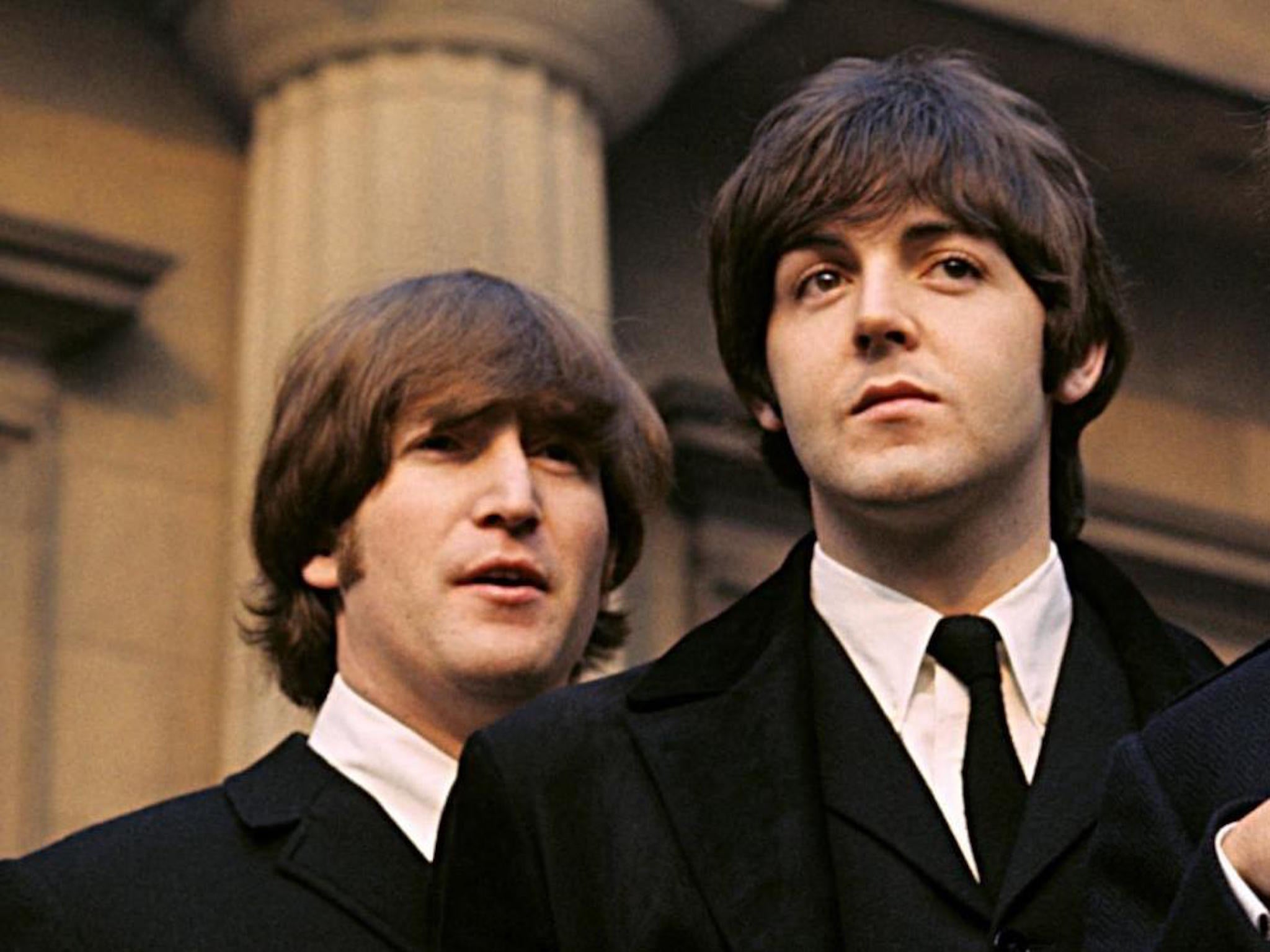
Outside his apartment in New York City, John Lennon was shot and killed—an event that sent shockwaves across the world. For McCartney, the loss was deeply personal. Whatever words had been left unsaid between them would now remain that way forever.
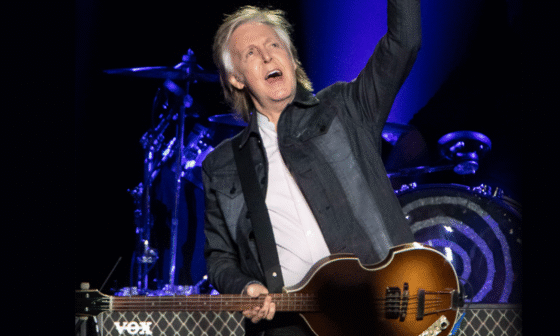
In the aftermath, McCartney struggled, like so many others, to process the suddenness of it all. Over time, he has spoken about Lennon not just as a bandmate, but as a lifelong influence—someone whose presence never fully disappeared. Whether through performing Beatles songs on stage or reflecting in interviews, McCartney has kept that connection alive.
Their story resonates because it reflects something universal. Friendships, especially the ones that shape us most, don’t always end neatly. Sometimes there is no perfect closure, no final conversation that ties everything together.
And yet, those connections endure.
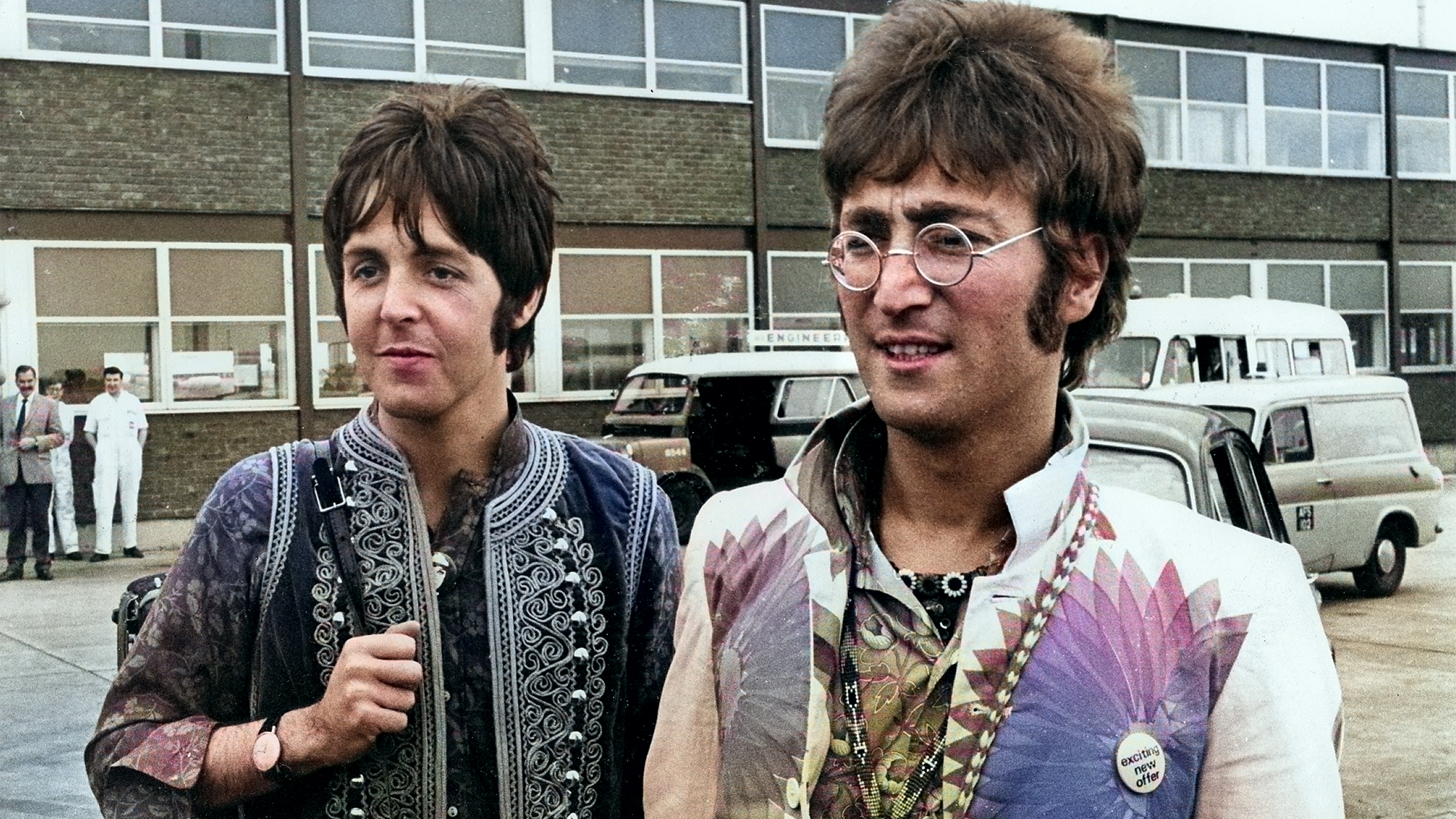
Today, decades after Lennon’s passing, the legacy of their partnership continues to influence musicians and listeners around the world. Their songs remain timeless, carrying echoes of both their harmony and their tension.
In the end, the idea that something meaningful was left unsaid may be what makes their story feel so human. Not every bond gets a proper farewell. Some simply fade into memory, leaving behind music, moments, and a sense of something unfinished.
And perhaps that’s why the story still resonates—because even without a goodbye, it never really ended.