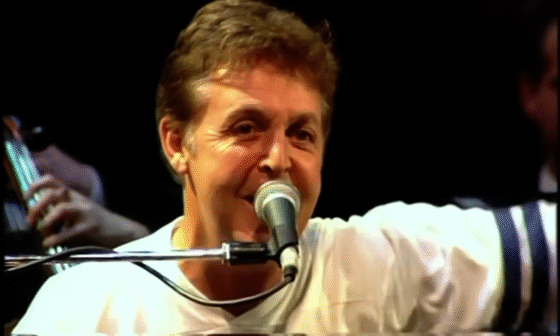
Some performances rely on scale—massive crowds, elaborate staging, and spectacle. Others rely on something far less tangible. When Paul McCartney stepped onto the stage at the Fonda Theatre, it quickly became clear that this would be the latter.
The venue itself set the tone. Known for its relatively intimate setting, the Fonda Theatre offered fans a rare opportunity to experience a global icon up close. There were no barriers of distance, no need for oversized production to fill the space. Instead, the focus remained where it has always belonged—with the music.
From the opening moments, McCartney held the room with ease. Decades into his career, there was no sense of routine or repetition. Each song carried a sense of presence, as if it were being rediscovered in real time.
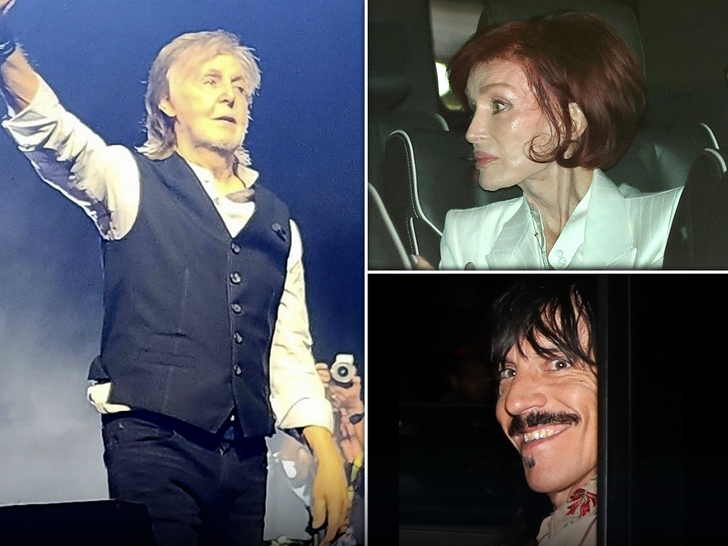
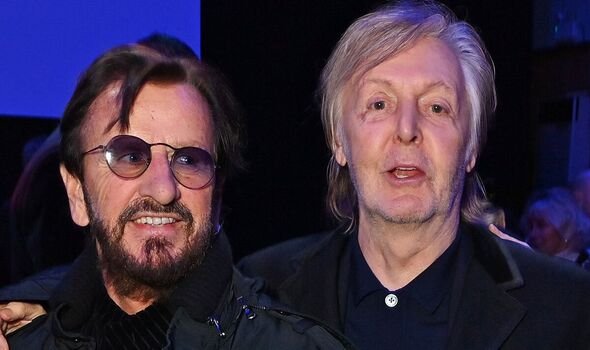
When he launched into “Help,” a track forever tied to his years with The Beatles, the audience responded instantly. The familiarity of the melody was undeniable, but what stood out was how alive it still felt. There was no distance between past and present—only a seamless continuation.
That same energy carried into “Band on the Run,” a song that reflects McCartney’s post-Beatles evolution. In a smaller venue, the track took on a different character. It felt less like an anthem designed for arenas and more like a shared experience between artist and audience.
Those who attended described the performance as a balance between power and closeness. McCartney didn’t need grand gestures to command attention. A glance, a subtle shift in tone, or a brief moment of interaction with the crowd was enough to draw everyone in.
That ability is part of what continues to set him apart.
In an era where live performances are often defined by elaborate visuals and tightly choreographed moments, McCartney’s approach feels refreshingly direct. There is a confidence in simplicity—a trust that the songs themselves are enough.
And for this audience, they were.
What has helped the performance gain traction online is not just the setlist, but the atmosphere. Clips circulating across social platforms capture something difficult to manufacture: genuine connection. Viewers can see it in the way the audience reacts, in the unforced nature of McCartney’s presence, and in the way the music fills the room without overwhelming it.
It’s a reminder that legacy isn’t only built on history—it’s sustained through moments like these.
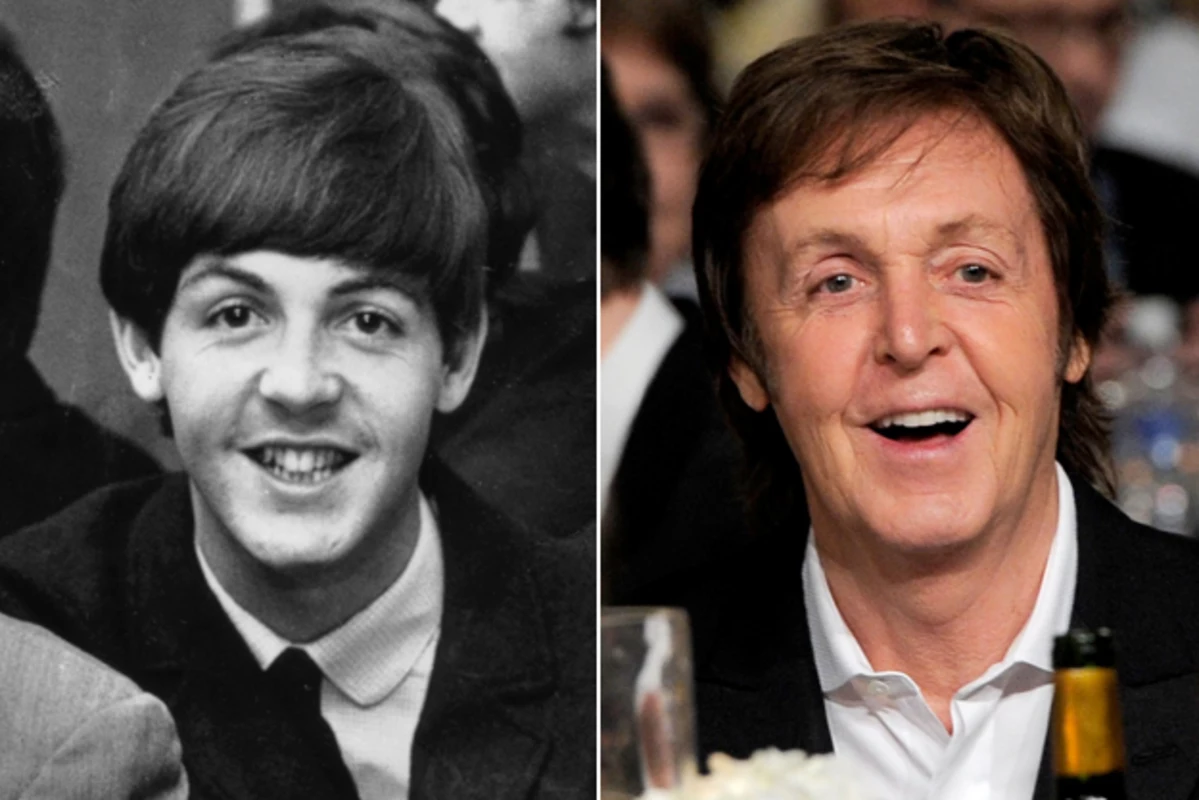
For many artists, maintaining relevance across generations is a challenge. For McCartney, it seems almost effortless. His catalog continues to reach new listeners, while longtime fans find fresh meaning in songs they’ve known for decades.
That night at the Fonda Theatre wasn’t about proving anything. It didn’t need to be.
Instead, it served as a quiet but powerful reaffirmation. That even in a smaller space, without spectacle or excess, Paul McCartney can still do what he has always done best—bring people together through music.
And in doing so, remind everyone exactly why his influence endures.