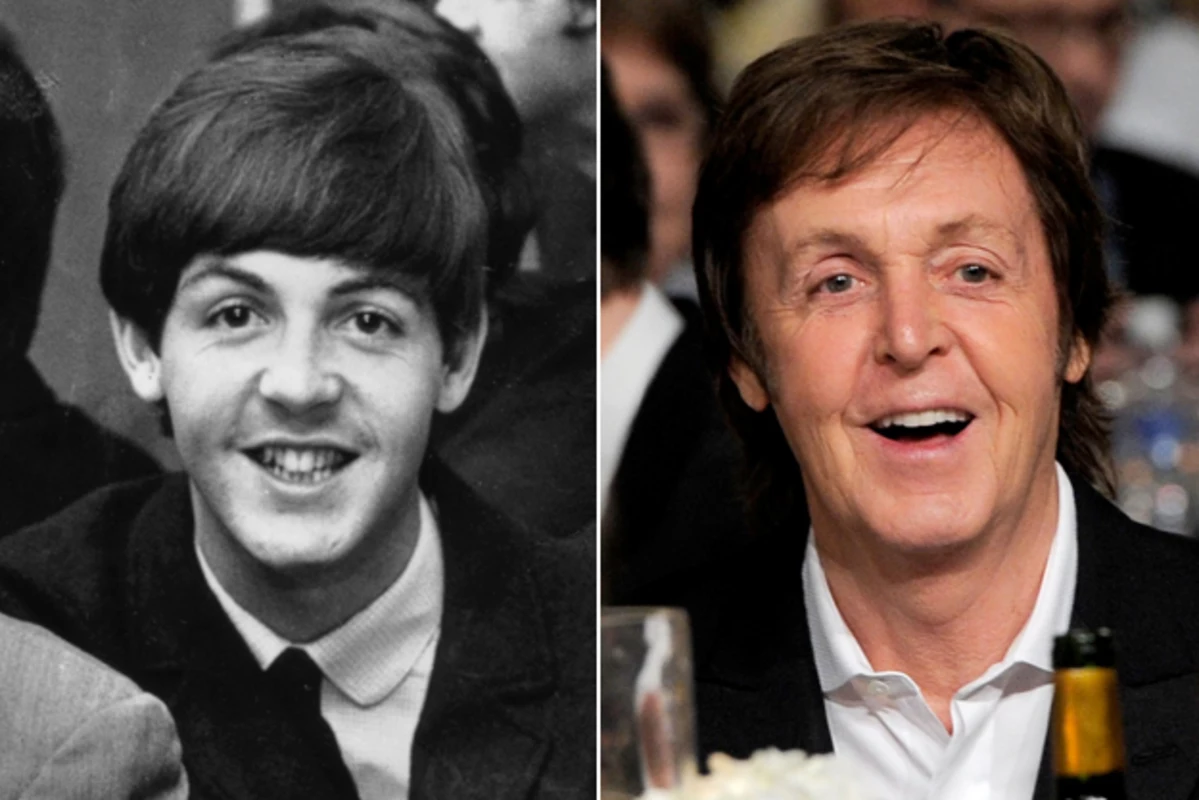
Every year, the Met Gala becomes less of a fashion event and more of a spectacle. Celebrities arrive in towering outfits, theatrical makeup, and carefully planned viral moments designed to dominate social media before the night is even over. Attention is the currency of the evening, and most attendees understand the assignment perfectly.
But when Paul McCartney and Nancy Shevell stepped onto the carpet, they seemed entirely uninterested in competing for it.
There were no dramatic poses. No performance for the cameras. No attempt to reinvent themselves for relevance. Instead, they walked into one of fashion’s loudest nights with a calmness that immediately set them apart.
For some viewers, that restraint became the most refreshing moment of the evening.

Social media quickly filled with praise for the couple’s appearance. Fans described them as “elegant,” “classic,” and “timeless,” celebrating the fact that McCartney — a man whose career helped reshape modern music — appeared completely comfortable without needing spectacle to command attention. Many argued that while other celebrities tried desperately to create a headline, McCartney already represented something larger than a trend: cultural permanence.
That reaction says as much about today’s celebrity culture as it does about McCartney himself.
Modern red carpets often reward excess. Outfits are expected to shock, divide opinions, or generate memes within minutes. Fashion has become performance art, and subtlety can easily disappear in a room designed for maximum visibility. Against that backdrop, McCartney and Shevell’s understated appearance almost felt rebellious.
Yet not everyone agreed.
Some critics argued that their look lacked the daring creativity expected from the Met Gala. To them, the event is supposed to celebrate risk-taking and theatrical expression, not quiet sophistication. In a setting built around visual spectacle, the couple’s reserved style struck certain viewers as too safe or too traditional.
Still, the debate itself highlighted why their appearance resonated so strongly.
McCartney has spent decades existing beyond the normal rules of celebrity culture. As a member of The Beatles, he helped redefine popular music, global fame, and modern songwriting. At this stage of his life, there is little left for him to prove. That freedom allows him to enter spaces like the Met Gala without chasing validation from the cameras around him.
And that confidence showed.
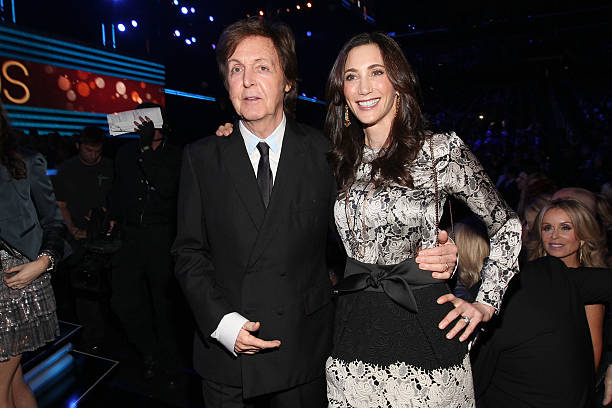
Standing beside Shevell, McCartney appeared relaxed and genuinely happy, smiling calmly beneath the flashes while the chaos of the carpet unfolded around them. The moment felt less like a publicity performance and more like two people entirely secure in who they are.
Ironically, that may have made them more memorable than many of the night’s louder arrivals.
In an era where celebrity moments are increasingly engineered for algorithms and instant reactions, authenticity has become surprisingly rare. McCartney and Shevell reminded people that presence does not always come from volume. Sometimes it comes from composure, history, and the ability to remain unmistakably yourself while everyone else is trying to compete for attention.
At a gala filled with celebrities attempting to own the night, Paul McCartney did something different.
He simply changed the mood of the room.