More than forty years after the tragic death of John Lennon, stories about the legendary musician continue to resurface—offering new glimpses into the relationships that shaped one of music’s most influential bands. Recently, Paul McCartney revisited a memory from the days following Lennon’s death that has sparked renewed discussion among fans.
The story centers on a phone call McCartney says he received from Yoko Ono not long after Lennon was killed in New York City in December 1980. At the time, the loss of the former The Beatles member sent shockwaves around the world, leaving friends, family, and fans struggling to process the sudden tragedy.
According to McCartney’s recollection, Ono reached out during that difficult period, and their conversation eventually turned to a personal observation about Lennon. McCartney said Ono suggested that Lennon might have had questions about his sexuality or aspects of his identity that were not widely discussed during his lifetime.
The remark reportedly caught McCartney off guard.
For years, Lennon and McCartney had shared one of the most famous creative partnerships in modern music. Together they wrote many of The Beatles’ most celebrated songs, shaping the sound of the 1960s and influencing generations of musicians. Their relationship was built on a mixture of friendship, rivalry, collaboration, and occasional tension—an emotional dynamic that fans have long found fascinating.
Because of that history, hearing such a personal reflection about Lennon in the aftermath of his death was something McCartney says he struggled to interpret in the moment.
In later interviews, McCartney explained that he responded by saying Lennon had never expressed anything like that to him during their years together. At the same time, he acknowledged that people often carry private thoughts and experiences that even close friends might not fully understand.
The conversation, brief as it may have been, stayed with him.
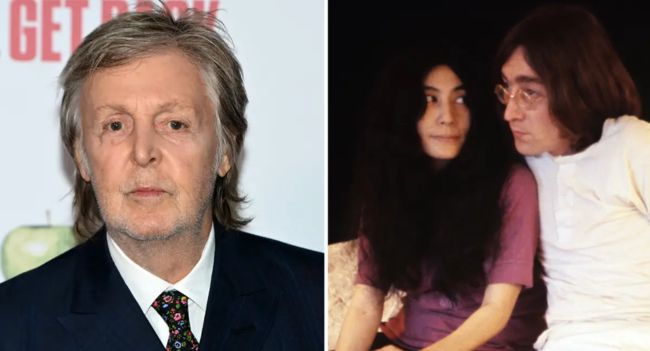
Today, the story has resurfaced as fans revisit older interviews and discussions online. In the digital age, clips and quotes from decades ago can suddenly reach new audiences, prompting fresh reactions and debate.
Some fans see McCartney’s recollection simply as an example of the private conversations that often occur in times of grief, when people share memories and reflections about someone they have lost. Others view it as an intriguing insight into Lennon’s complex personality and the many layers of his life.

Beyond the unexpected claim itself, what has drawn the most attention is McCartney’s response—measured, thoughtful, and reflective of how carefully he approaches memories of his former bandmate.
Over the years, McCartney has frequently spoken about Lennon with a mixture of admiration and honesty. While the two had their disagreements, particularly during the later years of The Beatles, McCartney has often emphasized the deep creative connection they shared.
Their partnership helped produce some of the most enduring songs in popular music, and their influence continues to shape artists across genres.
:max_bytes(150000):strip_icc():focal(674x316:676x318)/yoko-ono-john-lennon-021023-3-5400226f688643aebafe300619867cb1.jpg)
Stories like this one remind fans that behind the iconic songs and cultural impact were real people navigating complicated friendships and personal struggles.
More than four decades later, the fascination with Lennon’s life—and his bond with McCartney—remains as strong as ever. And as long as new generations continue discovering their music, conversations about their lives, their friendship, and their legacy are likely to continue. 🎶