November 1975 — The Return That Carried 11 Years of Silence
More than a decade after the chaos, the screaming crowds, and the cultural shockwave of Beatlemania, Paul McCartney quietly stepped back onto Australian soil.
But this time, everything was different.
In 1964, when The Beatles first arrived in Australia, they were met by thousands — a frenzy so intense it felt almost unreal. Streets overflowed. Airports shut down. The band barely heard themselves think, let alone play.
Now, in November 1975, there were no screaming fans during this moment.
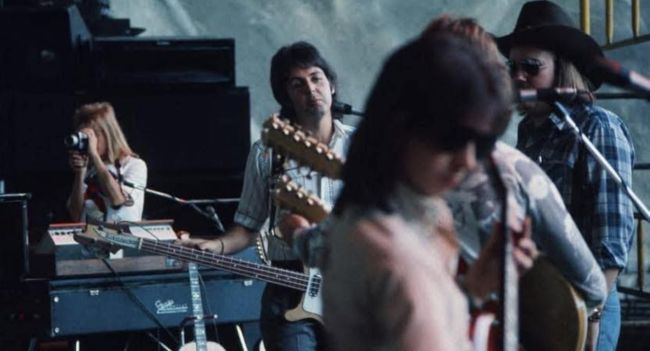
Just a soundcheck.

Standing on stage with Wings, McCartney ran through chords, adjusted levels, and listened closely to the acoustics of the empty venue. It was calm. Controlled. Almost intimate.
Yet beneath that quiet routine was something far more significant.
This wasn’t just another tour stop — it was his first return to Australia since The Beatles’ historic visit 11 years earlier. And for McCartney, it marked a new chapter: no longer part of the world’s biggest band, but leading his own.
The contrast couldn’t have been sharper.
Gone were the police barricades and deafening hysteria. In their place was a musician rebuilding, refining, and redefining his identity on stage. Wings, formed in the early 1970s, had already begun to carve out its own success — but moments like this still carried the weight of history.
Because no matter how far he moved forward, the shadow of The Beatles always lingered.
Those who witnessed the tour would later describe it as a turning point.
McCartney wasn’t trying to recreate the past. He wasn’t chasing Beatlemania. Instead, he leaned into something more grounded — a mix of new material, evolving sound, and selective nods to what came before.
The 1975–76 Wings tour would go on to become one of the biggest of its time, proving that McCartney could command global stages on his own terms.
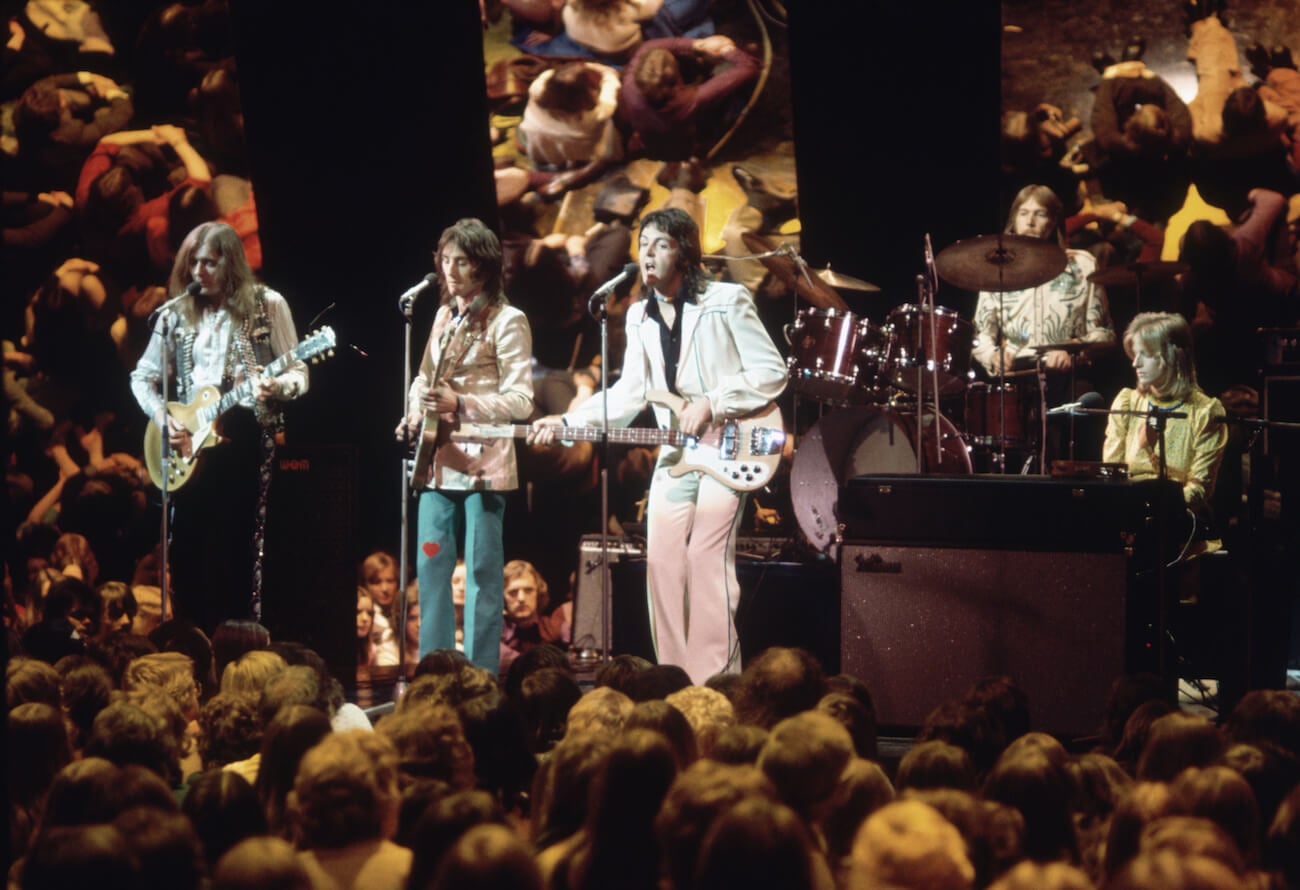
And it all began, quietly, with moments like this.
An empty arena.
A guitar.
A man returning — not as who he once was, but as who he had become.