Riley Green made a bold move before Allie Rae ever stepped into a Battle Round on The Voice, and now that early decision is starting to look like one of the most important bets of his first season as a coach. The 15-year-old singer has advanced after a demanding showdown with teammate Harmony McKee, but her victory also puts a spotlight on the expectations that come with being a coach’s specially selected contestant. Green believed in Rae from the beginning. Now, she has to show that his confidence was justified.
Rae’s latest performance came during the October 19 episode of The Voice Season 30, when she and 19-year-old McKee performed Bill Withers’ “Ain’t No Sunshine.” Both singers impressed the coaching panel, earning a standing ovation from Green and leaving him struggling to decide which artist deserved to continue. He ultimately chose Rae, allowing the teenager to advance while McKee’s journey on his team came to an end.
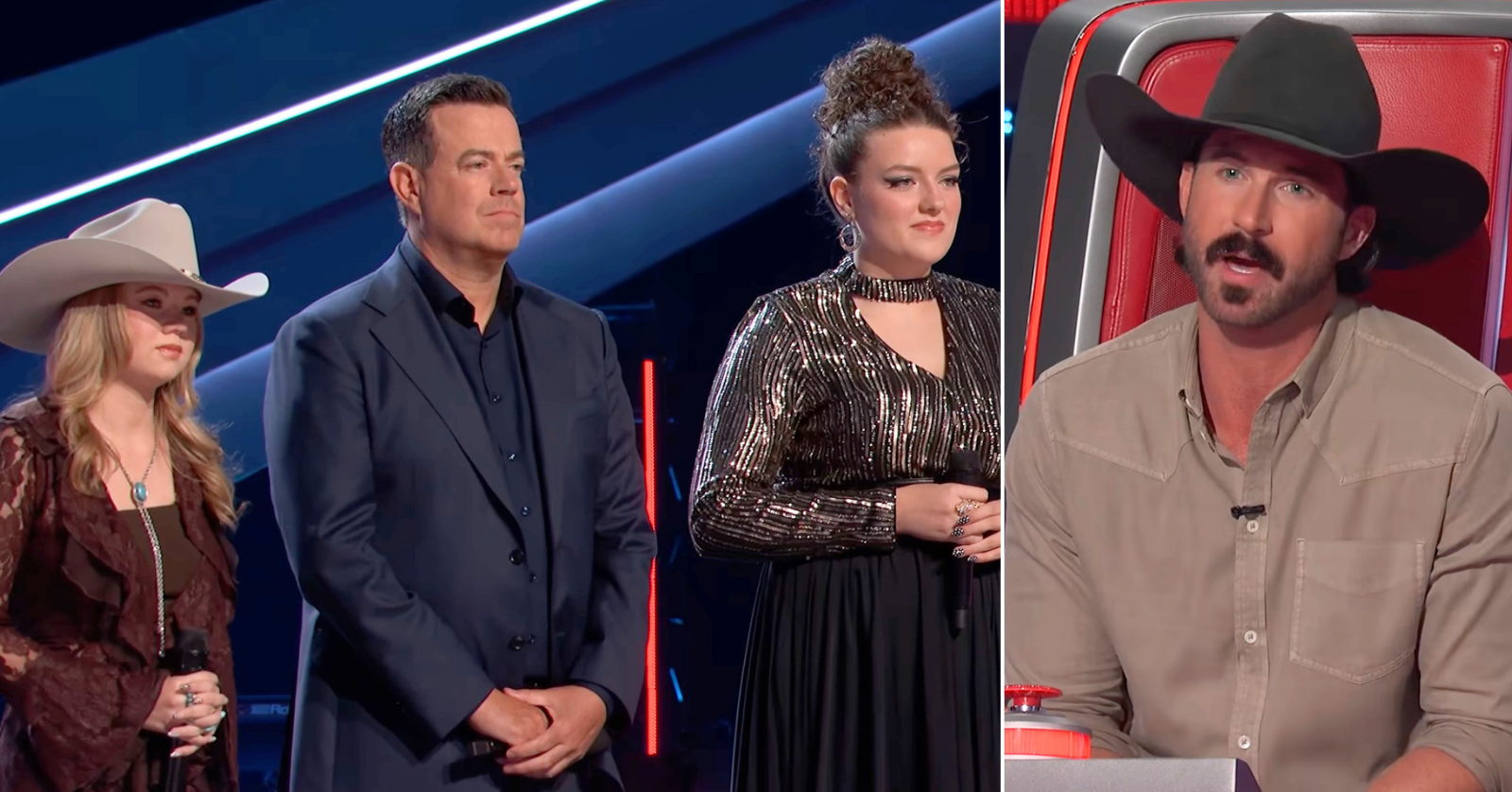
The result was significant for more than the simple fact that Rae won her battle. She was the singer Green had singled out during the Blind Auditions using one of the season’s most consequential new advantages. The First-In button gave a coach the ability to automatically claim a contestant if they were the first to turn their chair during that artist’s audition. Each coach could use the advantage only once, making the decision about when to deploy it an important strategic choice.
Green saved his opportunity for Rae, who auditioned with Alannah Myles’ “Black Velvet.” Her performance caught his attention immediately, and Kelly Clarkson and Queen Latifah also turned their chairs. With multiple coaches interested, Rae could have faced a difficult decision about whom to join. Green’s First-In button removed that uncertainty, securing her place on his team before the other coaches could win her over.
That early commitment created an interesting storyline as the competition progressed. Green was not simply choosing a promising singer from a crowded field; he was using a limited advantage to make sure Rae became part of his team. The decision showed how strongly her audition had impressed him, but it also meant that her subsequent performances would naturally be viewed against the expectations created by that early show of confidence.
For a first-time coach, those choices can carry extra weight. Green is best known to audiences as a country singer and songwriter, not as a veteran television mentor with years of experience navigating the competition’s twists. Season 30 has placed him alongside experienced coaches Clarkson and Adam Levine, as well as fellow newcomer Queen Latifah. His challenge is to turn his instincts about artists into decisions that help them develop throughout the contest.
Rae’s audition gave him a compelling reason to take that risk. At only 15, she delivered a rendition of “Black Velvet” that attracted three coaches, despite the competition for her attention. Clarkson praised the teenager’s range and drew comparisons to artists such as Dolly Parton and Alison Krauss, while Latifah described her voice as exquisite. Green also emphasized her distinctive style, explaining why he wanted the young singer on his team.
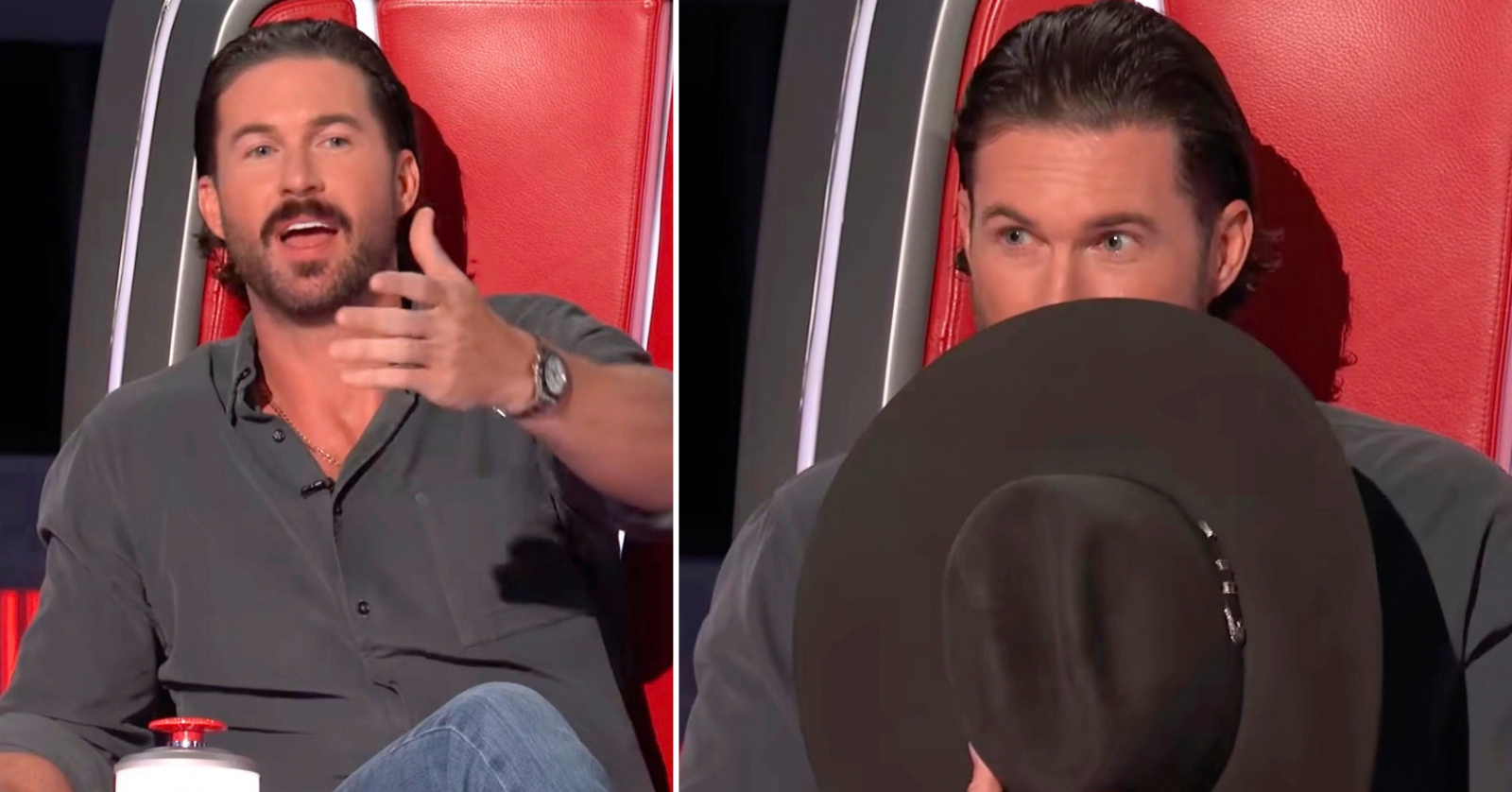
Those comparisons offer a clue to what makes Rae an interesting contestant. Her potential is not limited to her age or the fact that she can perform a recognizable song. The coaches heard qualities that could allow her to develop her own identity as an artist, an important consideration in a competition where singers must do more than reproduce a familiar recording.
Her Battle Round performance with McKee put that promise to a more demanding test. “Ain’t No Sunshine” is a very different challenge from “Black Velvet,” requiring the singers to communicate the song’s emotional weight while finding their place within a shared arrangement. The two contestants brought different vocal qualities to the performance, and their ability to blend together made the decision particularly difficult for Green.
Clarkson highlighted McKee’s resonant voice but also praised Rae’s distinctive style, ultimately leaning toward the younger singer. Levine agreed with Clarkson’s preference, while Latifah recognized strengths in both contestants. Her comments drew attention to Rae’s high notes and McKee’s vocal stamina, illustrating why the matchup did not produce an obvious winner.

Green himself acknowledged that the choice was unusually difficult. He described the battle as one he had been looking forward to while also dreading it, and he praised both contestants in unusually emphatic terms. He called Rae a huge talent for her age and highlighted the way she approached particular notes and phrasing. He then described McKee as one of the most talented vocalists on the show, praising the way her voice filled the room.
His final decision was not a declaration that McKee lacked ability. Rather, Green chose to continue investing in the contestant whose potential had captured his attention from the very beginning. After the performance, he explained that Rae was the singer he had used his First-In advantage on because he believed in her from the start. He also said he thought she had a strong chance of going far in the competition.

Clarkson appeared to share that optimism. After Rae was selected, the coach told Green that the young singer could win the competition. It was an encouraging endorsement, especially given Clarkson’s experience on the show and her history of working with young female country artists. But it also raises the question of what Rae will need to demonstrate in the rounds ahead to turn that possibility into a realistic outcome.
Winning a Battle Round is an important achievement, but it does not guarantee a place among the season’s eventual finalists. Contestants must continue adapting to new songs, different arrangements, and the increasing pressure of performing for a national audience. Rae will also have to show that the qualities that impressed the coaches during her audition can translate into consistent performances across a wider range of material.
That is where Green’s role becomes especially important. Having secured Rae with his First-In button, he now has to help her develop without allowing the promise of her early audition to become a burden. The best coaching decision is not always the one that protects a favorite contestant; it is the one that gives that singer the tools to improve, take risks, and discover what kind of artist they want to become.
Rae’s victory over McKee gives Green a reason to feel encouraged, but it also leaves a difficult question hanging over the season: can his early instinct about the teenager hold up as the competition gets tougher? His decision to use the First-In button showed confidence in her raw ability. His choice in the Battle Rounds showed that he remained willing to stand behind that confidence when the stakes became more personal.

There is no guarantee that Rae will win Season 30, and even experienced coaches cannot predict exactly how a contestant’s journey will unfold. What is clear is that she has already earned the attention of several coaches and delivered a Battle Round performance strong enough to keep her moving forward. For a young singer still at the beginning of her musical journey, that is a meaningful accomplishment.
Green’s early gamble has paid off for now, but the real test is still ahead. If Rae continues to grow, his decision could become one of the defining moves of his debut season as a coach. If she struggles to meet the expectations surrounding her, he will have to find new ways to help her develop.
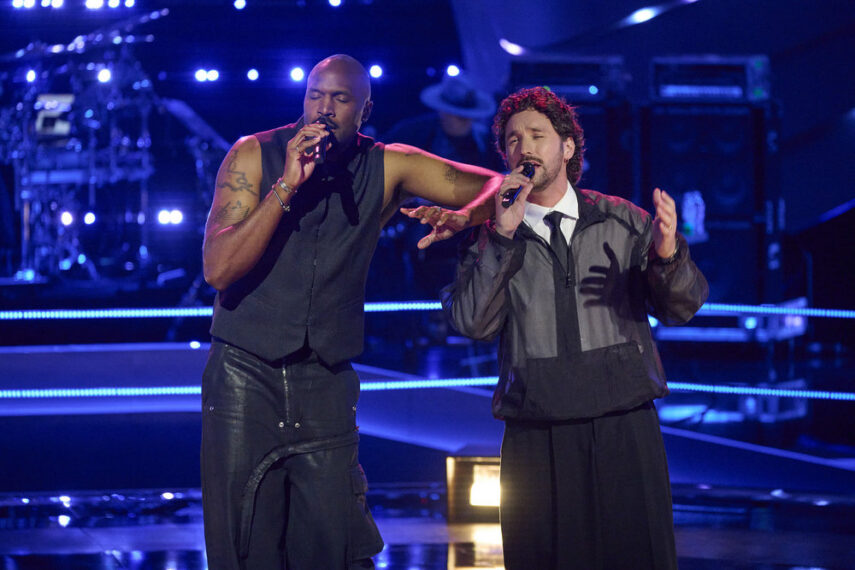
Either way, the story is no longer just about a coach choosing one singer over another. It is about what happens when a promising young artist receives an early vote of confidence and then has to prove, performance by performance, that she belongs among the competition’s strongest contenders.
Do you think Riley Green made the right decision by using his First-In button on Allie Rae, and could the 15-year-old really become the next winner of The Voice? Or do you think Harmony McKee had the stronger potential to go all the way?