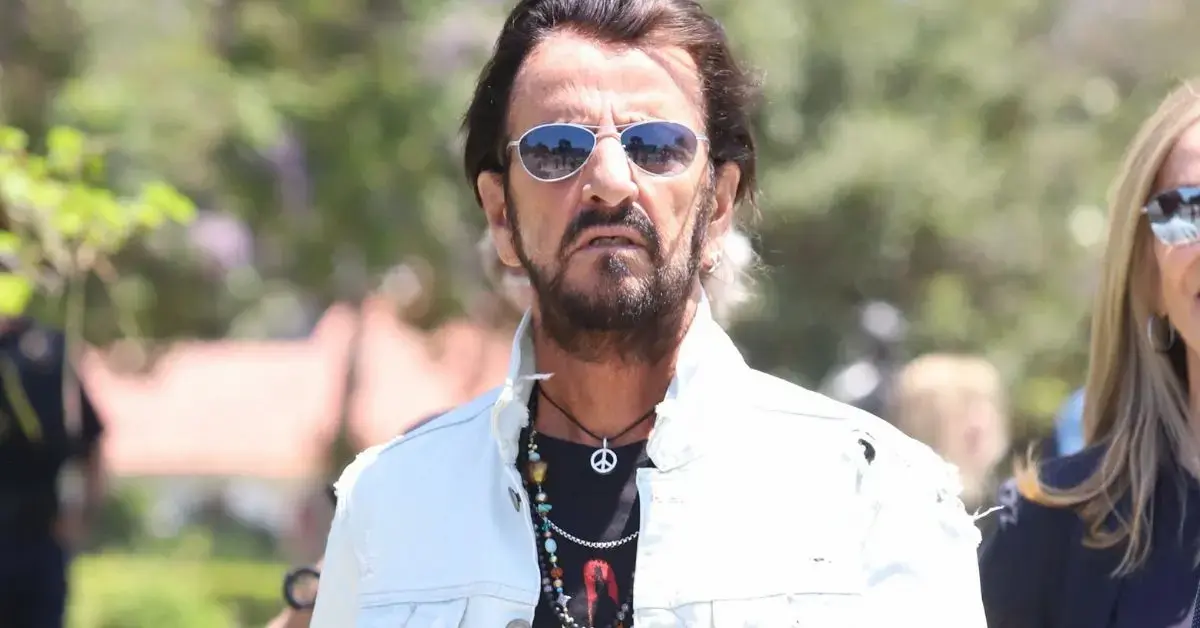
For much of his career, Ringo Starr was rarely the center of attention. In a band filled with towering creative forces, his presence often seemed understated—steady, reliable, and quietly essential. Yet in 2026, that very quality has taken center stage as TIME Magazine named him one of its 100 Most Influential People.
At first glance, the recognition might feel like a celebration of history. After all, Starr’s role in The Beatles helped shape the sound of modern music. But the deeper story behind this honor isn’t rooted in nostalgia—it’s about influence that has endured, evolved, and quietly expanded over decades.

During the height of Beatlemania, the spotlight often gravitated toward songwriting partnerships and front-facing personalities. Yet Starr’s contribution was never about competing for attention. His drumming style, marked by precision and feel rather than flash, became a foundation for the band’s sound. He understood something many musicians spend years trying to learn: sometimes, the most powerful role is the one that supports everything else.
But his influence didn’t stop with the band. In the years that followed, Starr built a solo career, collaborated with a wide range of artists, and became known for his ongoing message of peace and positivity. While others chased reinvention, he focused on consistency—remaining true to a perspective that valued connection over spectacle.
That perspective is part of what makes this recognition stand out. TIME Magazine’s list often highlights individuals who drive visible change, who dominate headlines or reshape industries in dramatic ways. Starr’s inclusion feels different. It points to a quieter kind of influence—one that operates steadily over time rather than in sudden bursts.
Those who have worked with him often describe the same qualities: reliability, humility, and an ability to bring people together. These are not traits that always make headlines, but they are the ones that sustain creative work and long-term collaboration. In many ways, Starr became a model for a different kind of leadership—one that doesn’t rely on control, but on presence.

As fans and critics revisit his legacy in light of this recognition, the conversation has shifted. It’s no longer just about what he played, but how he played it—and what that approach represents. His career offers a reminder that influence isn’t always loud or visible. Sometimes, it’s felt in the spaces between the notes, in the stability that allows others to shine.
In a cultural moment that often rewards immediacy and attention, Starr’s journey feels especially relevant. He didn’t need to dominate the room to shape it. He didn’t need constant recognition to leave a mark.
And now, decades after first stepping onto the world stage, that quiet impact is being acknowledged in a way that resonates far beyond music.
Because in the end, influence isn’t just about being seen.

Sometimes, it’s about being the one who made everything else possible.