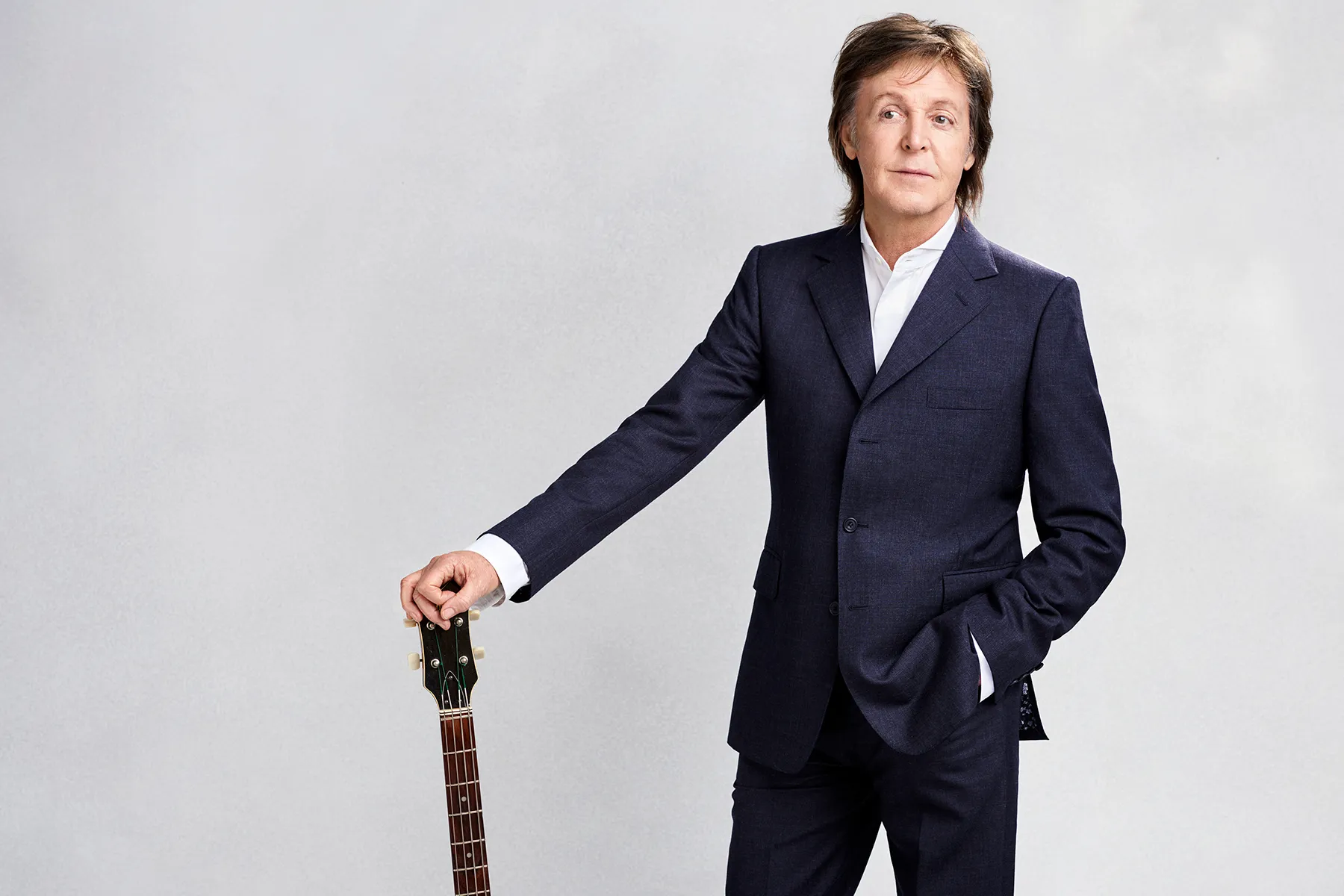
For an artist whose career has already spanned generations, the idea of a “return” feels almost unnecessary. Yet with a newly announced album and tour, Paul McCartney is once again stepping into a fresh chapter—one that feels less like a comeback and more like a continuation of a lifelong rhythm.
The announcement comes five years after his last full project, marking a notable gap in an otherwise remarkably consistent career. His upcoming album, The Boys Of Dungeon Lane, arrives alongside a newly released single, offering fans their first glimpse into what this next phase might sound like.

For many, the reaction hasn’t been surprise—it’s been recognition.
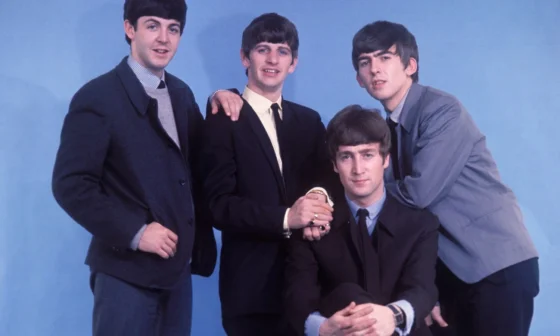
McCartney has never fully disappeared from the musical landscape. From his groundbreaking work with The Beatles to his decades-long solo career, his presence has remained steady, even as styles and eras have shifted around him. So when new music arrives, it doesn’t feel like a reintroduction. It feels like picking up a conversation that never really ended.
What makes this moment stand out, however, is its timing. After several years without a full album, the release carries a sense of quiet anticipation. Fans aren’t just curious about the music—they’re interested in how McCartney continues to evolve while staying true to the instincts that first defined his songwriting.
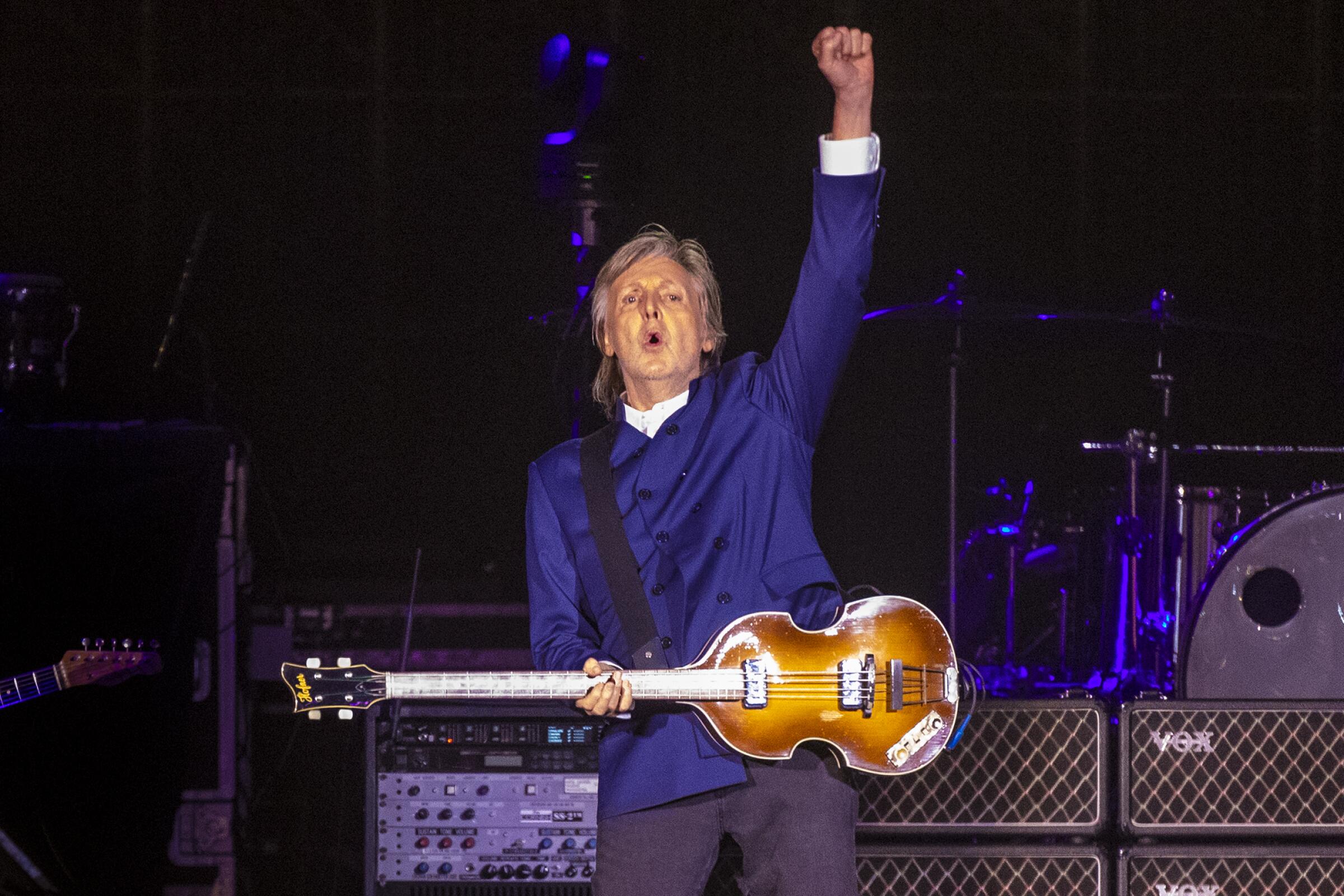
Early impressions of the new single suggest a familiar balance: melodic structure, thoughtful arrangement, and an understated confidence that comes from decades of experience. It doesn’t try to chase trends or reinvent his identity. Instead, it leans into what he has always done best—crafting songs that feel both personal and widely accessible.
The accompanying tour announcement adds another layer to the excitement. Known for his dynamic live performances, McCartney has long treated the stage as more than just a platform—it’s a space where past and present meet. Setlists often move seamlessly between eras, blending iconic songs with newer material in a way that feels natural rather than nostalgic.
This upcoming tour is expected to follow that same pattern.
For longtime fans, it’s an opportunity to hear beloved classics performed by the artist who helped create them. For newer audiences, it’s a chance to experience those songs in a live setting, alongside fresh material that continues to expand his catalog.
But beyond the music and the logistics, there’s something more subtle happening here.
Moments like this reinforce a key aspect of McCartney’s legacy: his commitment to simply keep going. In an industry that often revolves around reinvention or dramatic returns, his approach feels refreshingly steady. He doesn’t need to redefine himself or make bold declarations. He writes, records, performs—and then does it again.
That consistency is part of what makes his work resonate across generations.
Decades into his career, Paul McCartney remains not just active, but engaged. His music continues to evolve without losing its core identity, and his performances continue to draw audiences who span age groups and backgrounds.
So while headlines may frame this as a return, it’s perhaps more accurate to see it as something else entirely.
Not a comeback—but another step forward.
And for listeners around the world, that’s more than enough reason to keep listening.