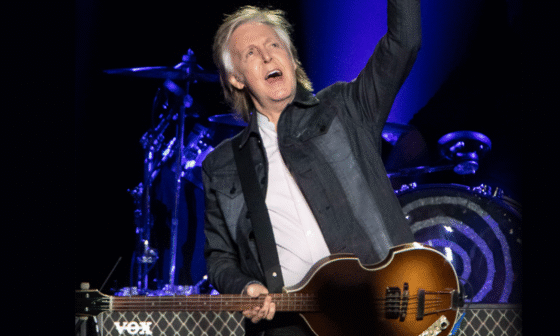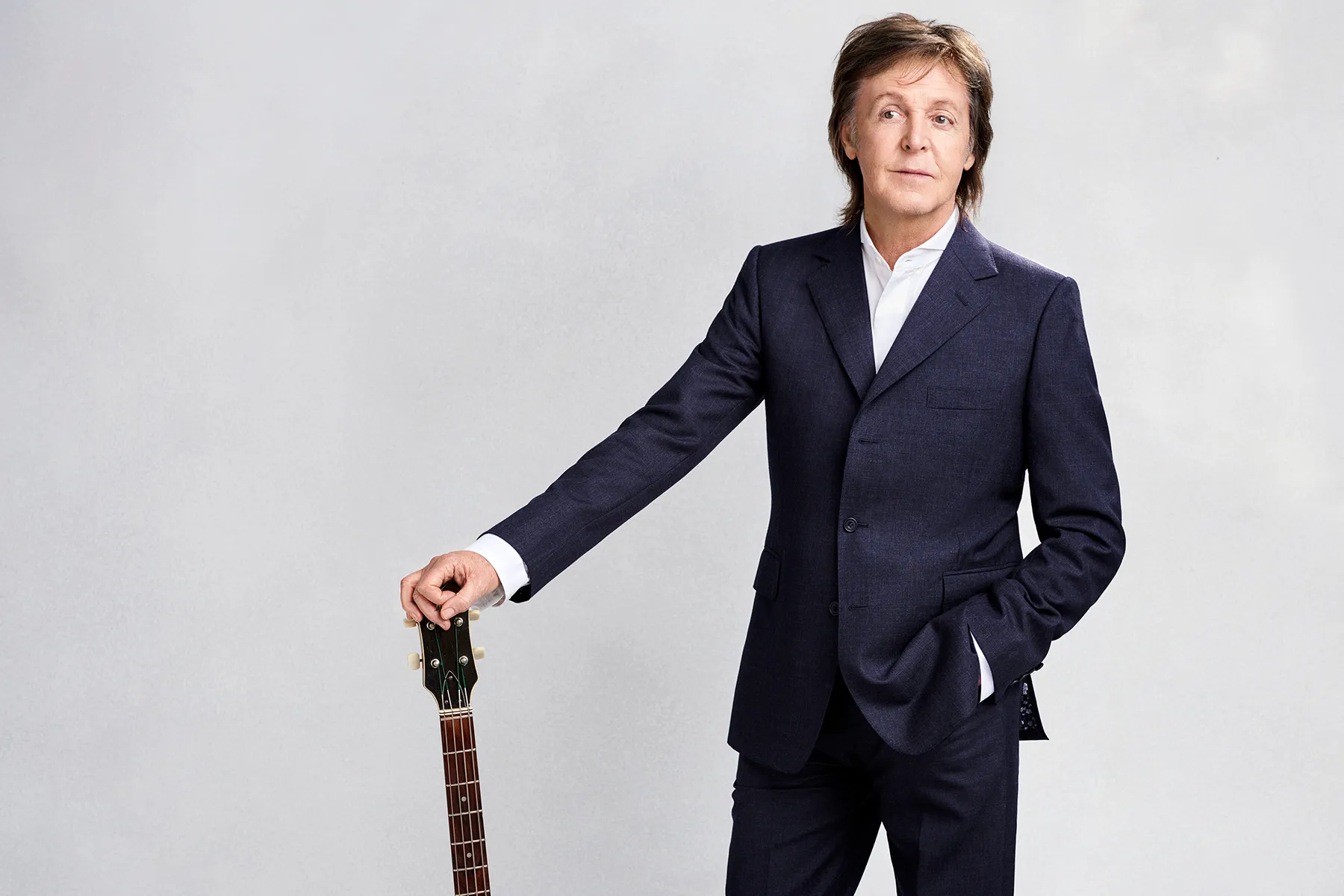
For decades, the world has viewed Paul McCartney through a prism of effortless genius. We see the thumbs-up, the boyish grin, and the man who seems to exhale melodies as easily as breathing. But a legendary career spanning over sixty years isn’t built solely on charm and catchy choruses; it is forged in the fires of personal upheaval and quiet resilience. The upcoming cinematic exploration of Paul’s life promises to pull back the velvet curtain of stardom to reveal the man who existed before—and survived—the whirlwind of the 20th century’s greatest cultural phenomenon.
To understand the “Cute Beatle,” the film takes us back to the damp streets of Liverpool. This isn’t just a nostalgic stroll down Penny Lane; it’s a deep dive into the formative grief that anchored Paul’s ambition. The loss of his mother, Mary, when he was just fourteen, is the silent heartbeat of his story. It was the catalyst that bonded him to a young John Lennon, creating a partnership built on shared tragedy and a desperate need to fill the silence with sound. The movie explores these “humble beginnings” not as a footnote, but as the foundation of his entire creative drive.

While most biopics might lean heavily on the euphoria of the 1964 invasion, this film dares to look at the cracks in the foundation. It tackles the crushing weight of expectation that followed the “mop-top” era. As the 1960s progressed, the internal tensions within the band became a crucible. We see a Paul McCartney who wasn’t just a songwriter, but a man desperately trying to hold a crumbling family together. The pressure of being the “engine room” of The Beatles—often pushing his bandmates to finish projects like Let It Be—is portrayed not as ego, but as a survival mechanism against the looming threat of loss.
The most captivating chapters of the film deal with the “uncovering” of the man after the music stopped. When The Beatles finally fractured, Paul didn’t just lose a job; he lost his identity. The story explores his retreat to High Park Farm in Scotland, a period of deep depression and uncertainty. It was here, amidst the mud and the sheep, that the legend had to decide if he was still a musician without the three men who had defined his adult life. It’s a raw, humanizing look at a superstar facing the doubt that he might have already written his best work.

Ultimately, this film aims to shift the legacy of Paul McCartney. It moves him away from being a mere “hit-maker” and repositioned him as a master of perseverance. Through the lens of his relationship with Linda McCartney and his eventual resurgence with Wings, we see a man who chose music as a form of therapy. He chose the stage even when the critics were sharpened and the public’s expectations were impossibly high.
By the time the credits roll, viewers won’t just see a legend; they will see a man who navigated the highest highs and lowest lows of the human experience with a bass guitar in hand. It is a story of how grief becomes art, and how a boy from Liverpool became the architect of a soundtrack that changed the world forever.