“The Best Since Plant”: The Only Singer Jimmy Page Truly Praised After the 1970s

jimmy page

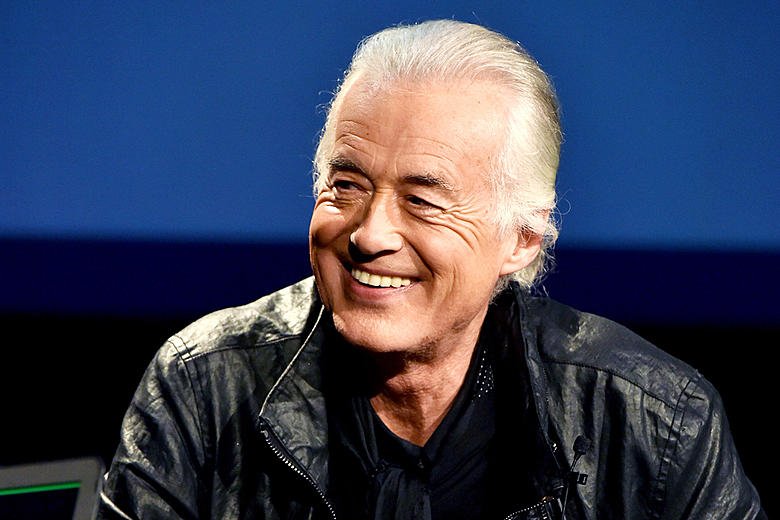
Trying to define Jimmy Page is like trying to catch lightning in a bottle. He’s not just a guitarist—he’s a visionary, a sonic architect who reshaped the very landscape of rock music. If you had to sum him up in a single word, it would be versatile.

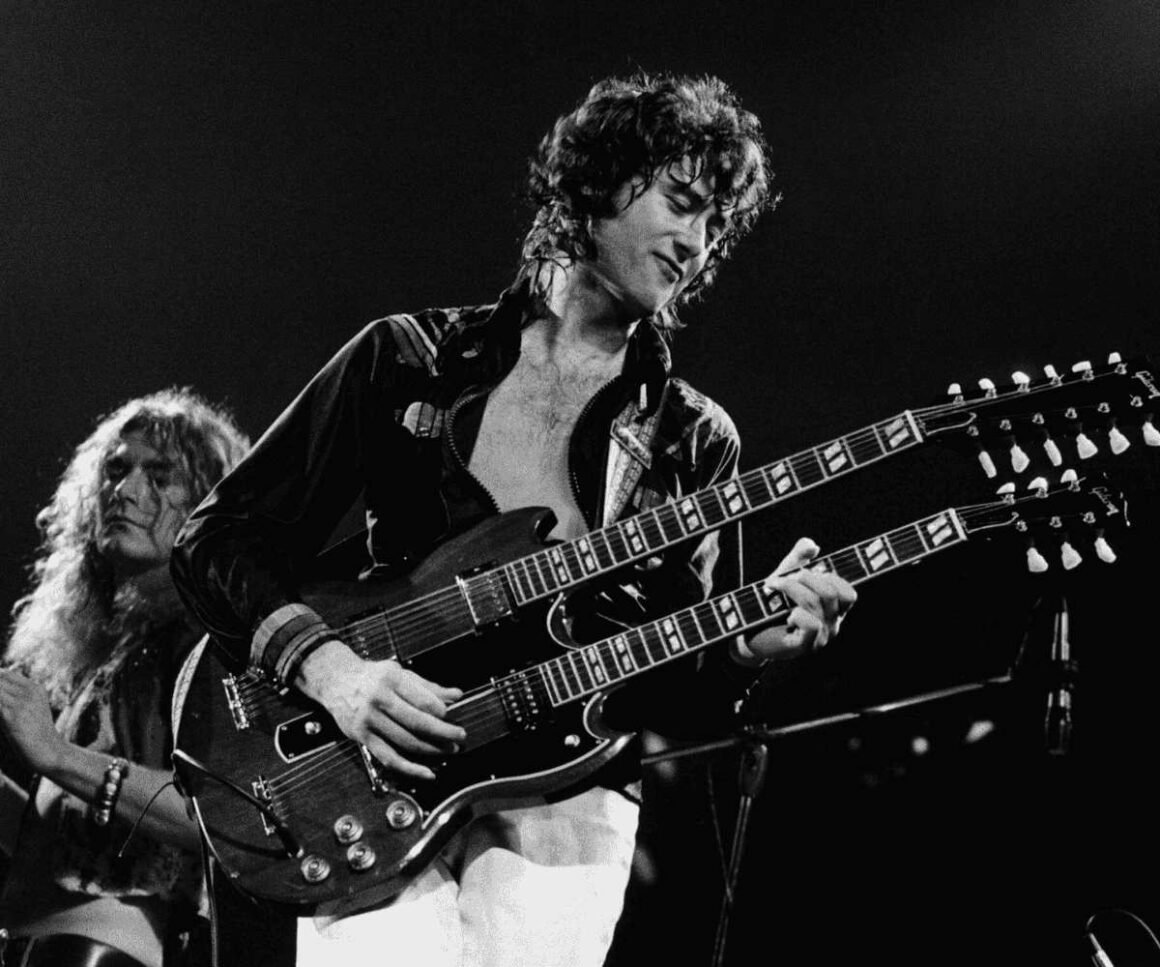
From his earliest days, Page chased music that stirred his soul. Like many of his peers, he began by soaking up the sounds of blues and R&B legends. But he didn’t stay there long. His time as a session musician in the 1960s exposed him to a vast range of styles—from skiffle to psychedelia, orchestral pop to experimental rock. It sharpened his skills and expanded his imagination. When it came time to build Led Zeppelin, Page knew exactly what he wanted: a band that could do everything.

He called it “light and shade”—a dynamic musical philosophy that embraced the brutal and the beautiful, the electric and the acoustic. Led Zeppelin didn’t just hammer out riffs; they wandered through folk ballads, Eastern melodies, and mystical textures. Page’s guitar wasn’t bound to one genre—it bent genres to his will.

And he didn’t do it alone. John Bonham brought thunder. John Paul Jones added texture and discipline. And Robert Plant? With that untamed, golden voice, Plant gave Page the freedom to explore any musical path, knowing his frontman could follow.

But even as the Zeppelin years passed into legend, Page kept his ears open. He never stopped searching for voices—the kind that carried real weight, emotion, and range. And when Jeff Buckley emerged in the 1990s, Page heard something hauntingly familiar.

Buckley’s 1994 album Grace didn’t sound like Led Zeppelin, but it echoed the same spirit of musical freedom. Buckley moved seamlessly from raw rock energy to fragile ballads, all while wielding one of the most powerful and expressive voices of his generation.

Page was mesmerized.

“Probably, he was the best singer that appeared in—I’m not being liberal about this—about two decades,” Page once said. That’s high praise from the man who helped launch one of rock’s most iconic vocalists.

In Buckley, Page saw a kindred spirit—an artist who refused to be boxed in, who let emotion drive every note. For the man who once redefined rock with light and shade, hearing Buckley must have felt like hearing his own legacy carried forward.

0 Shares:
Leave a Reply

Your email address will not be published. Required fields are marked *

You May Also Like
Def Leppard
Read More

Def Leppard didn’t just perform on America’s Got Talent—they blew the roof off. The rock legends stormed the stage with their hit “Pour Some Sugar on Me,” and the crowd went absolutely wild. From the first note, the energy was electric—guitars screaming, drums pounding, and voices soaring through the arena like a thunderclap. The judges were on their feet, the audience was shouting every word, and for a few minutes it felt less like a talent show and more like a sold-out stadium concert. It wasn’t just a performance—it was a blast of pure rock ’n’ roll that left everyone buzzing long after the lights went down.

First airing back in June 2006, America’s Got Talent offered a chance at fame for more than just singers. Although…
beatle
Read More

The wind still slices through Savile Row just like it did back in 1969. But this time, the street below was wrapped in an eerie stillness — no flashing lights, no shouting fans, no chaos. Only five men bearing some of the most iconic surnames in music history stepping quietly onto the rooftop of Apple Corps: Julian Lennon. Sean Lennon. James McCartney. Dhani Harrison. Zak Starkey. There were no cameras rolling, no press alerts, no grand announcement. They simply plugged into vintage amplifiers that hadn’t filled that rooftop with sound in decades. And the moment the first chord of “Don’t Let Me Down” — forever tied to The Beatles — drifted into the London sky, something changed in the air. It didn’t feel like nostalgia. It felt like something coming back to life. But what happened after the last note disappeared — when silence settled in once more — is the part no one seems willing to explain. And it may reshape everything we thought we knew about their connection. ▶️ Listen to the song here:

The wind on Savile Row still howls the same way it did on January 30, 1969. But yesterday,…
Mary Travis
Read More

Mary Travis refused to give up. When doctors urged that country legend Randy Travis be taken off life support, Mary stood her ground — determined to fight for her husband’s life. Her unwavering faith and strength became the turning point in a battle many thought was already lost. Fans now see Randy’s recovery and return to public life as nothing short of a miracle — one that may never have happened without Mary’s courage. So how did she make that impossible decision — and what does Randy say about it today? Full story inside

Mary Travis is the reason Randy Travis is still here, and it is not because the doctors gave…
Read More

“Born October 1, 1929… she wasn’t just Buck Owens’s ex-wife — she was the woman who steadied Merle Haggard when his life was coming apart at the seams.” Before the fame found him, Merle Haggard was still a man trying to claw his way out of the shadows he carried. Bonnie Owens saw all of it — the temper, the fear, the brilliance that flickered like a match in the wind — and instead of turning away, she stepped closer. While Merle wrestled with old wounds he rarely spoke about, Bonnie quietly shaped the songs that would outlive them both — “Today I Started Loving You Again,” “Just Between the Two of Us,” and the lines only someone who loved him could help him reach. People remember the voice. People remember the legend. But behind the gravel and the glory was a woman fixing rough edges into melodies, turning the parts he hid into something the world could finally hear.

Scroll down to the end of the article to listen to music.” Introduction There are love songs, and…